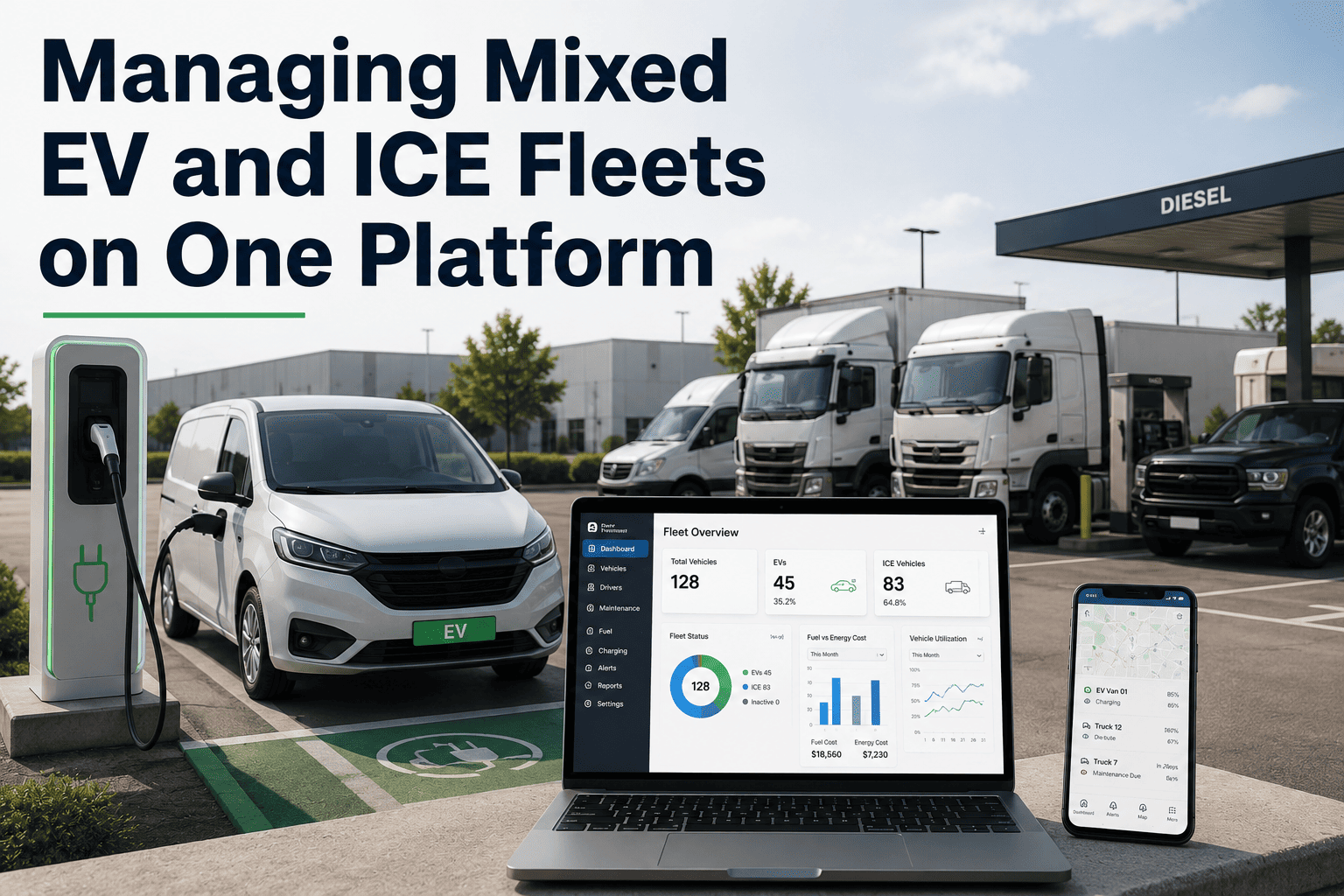
Fleet managers running both electric and diesel vehicles are running into a problem no vehicle manufacturer warns them about: two maintenance philosophies do not fit inside one workflow. A technician trained to change oil and inspect a turbocharger is not automatically ready to test a battery pack's thermal loop or verify high-voltage isolation before a repair. Dispatch software built around fuel and MPG has no concept of state of charge, cold-weather range loss, or charging dwell time. The result is two partial systems, two spreadsheets, and a fleet manager who cannot answer one simple question — what does this fleet actually cost to run, per mile, across every vehicle on the lot. Oxmaint puts EV and ICE maintenance on one PM calendar, one dashboard, and one cost report.
One Fleet, Two Powertrains, One Platform
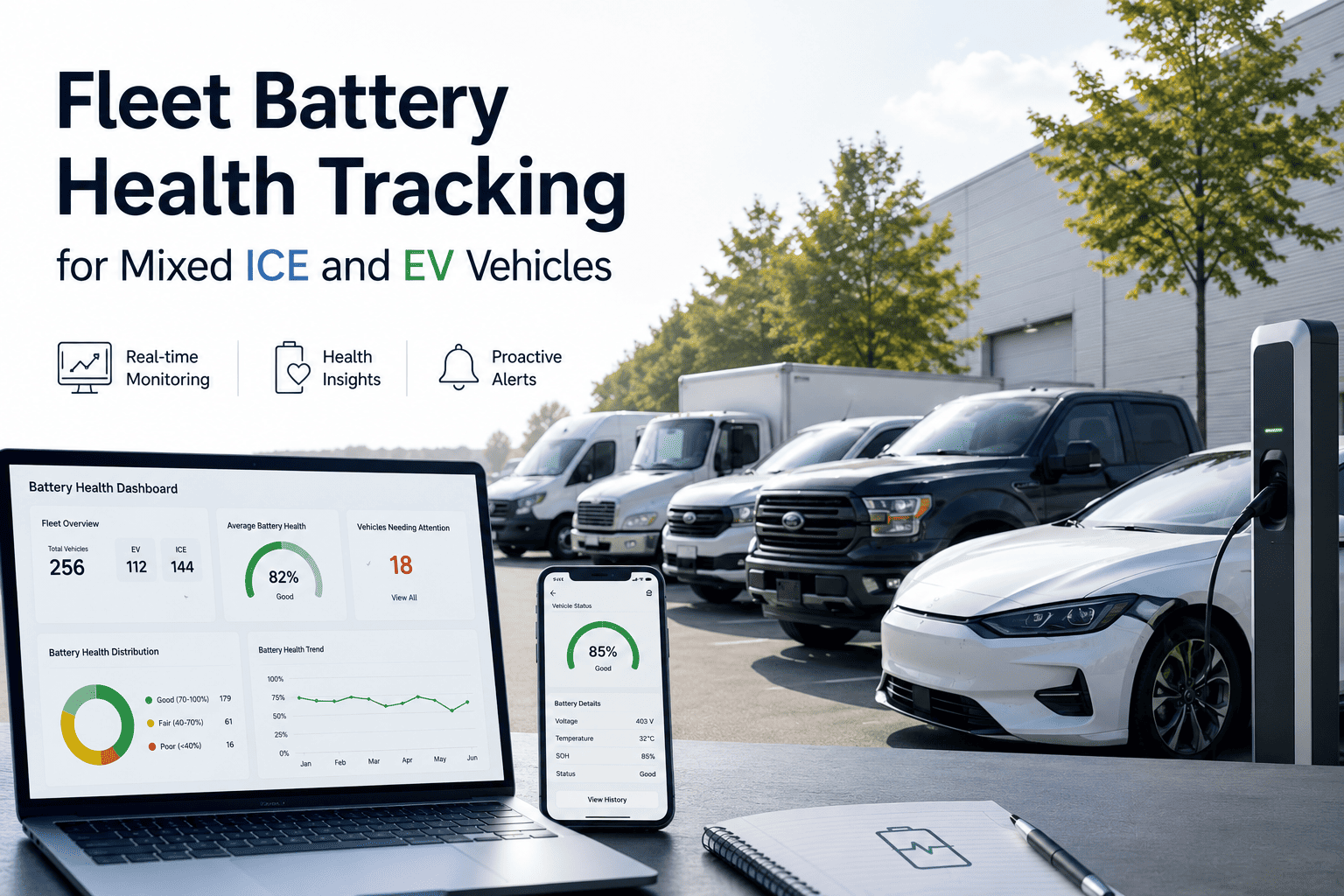
Electrification is no longer a pilot program — most fleets now run EVs and combustion vehicles side by side, and industry research finds a majority of fleet operators expect to own electric vehicles within the next five years. Oxmaint unifies the maintenance schedules, the technician assignments, and the cost reporting for both, before your admin overhead doubles.
Why Mixed Fleets Break Traditional Maintenance Playbooks
Every one of these gaps traces back to the same root cause — a maintenance system designed around a single powertrain, asked to manage two. Fleet teams ready to close these gaps can start a free trial or book a demo.
Separate spreadsheets or software for EVs and combustion vehicles create duplicated admin work and hide total cost per mile from the people making procurement decisions.
High-voltage battery and inverter work requires certification that standard mechanical training does not cover, leaving EV components serviced by undertrained staff or not serviced at all.
Fuel-based routing logic assigns EVs to routes that exceed real-world range once cold weather, payload, and highway speed are factored in — a mistake diesel dispatch never had to consider.
Engine-hour tracking has no analog for state of health, cycle count, or thermal degradation, so most fleets have zero visibility into how fast their battery packs are actually aging.
Reconciling diesel gallons against electricity kilowatt-hours across two disconnected systems every month burns hours and introduces errors that distort the electrification business case.
State-level EV inspection standards differ from conventional DOT requirements and are frequently missing entirely from maintenance workflows built before the fleet went electric.
Stop Running Two Fleets Inside One Fleet
Oxmaint applies the right PM template automatically based on vehicle type — oil, exhaust, and transmission tasks for ICE vehicles, battery, thermal, and high-voltage tasks for EVs — all inside the same PM calendar and the same technician queue.
Where EV and ICE Maintenance Actually Diverge
Understanding exactly where the two schedules split is the first step to unifying them under one platform without losing the detail either powertrain requires.
| Maintenance Task | ICE Vehicles | EV Vehicles | Oxmaint Handling |
|---|---|---|---|
| Powertrain service | Oil, filter, and transmission fluid changes on a mileage-based interval | No oil or transmission service — battery, inverter, and motor checks instead | Powertrain-specific PM template auto-assigned by vehicle type |
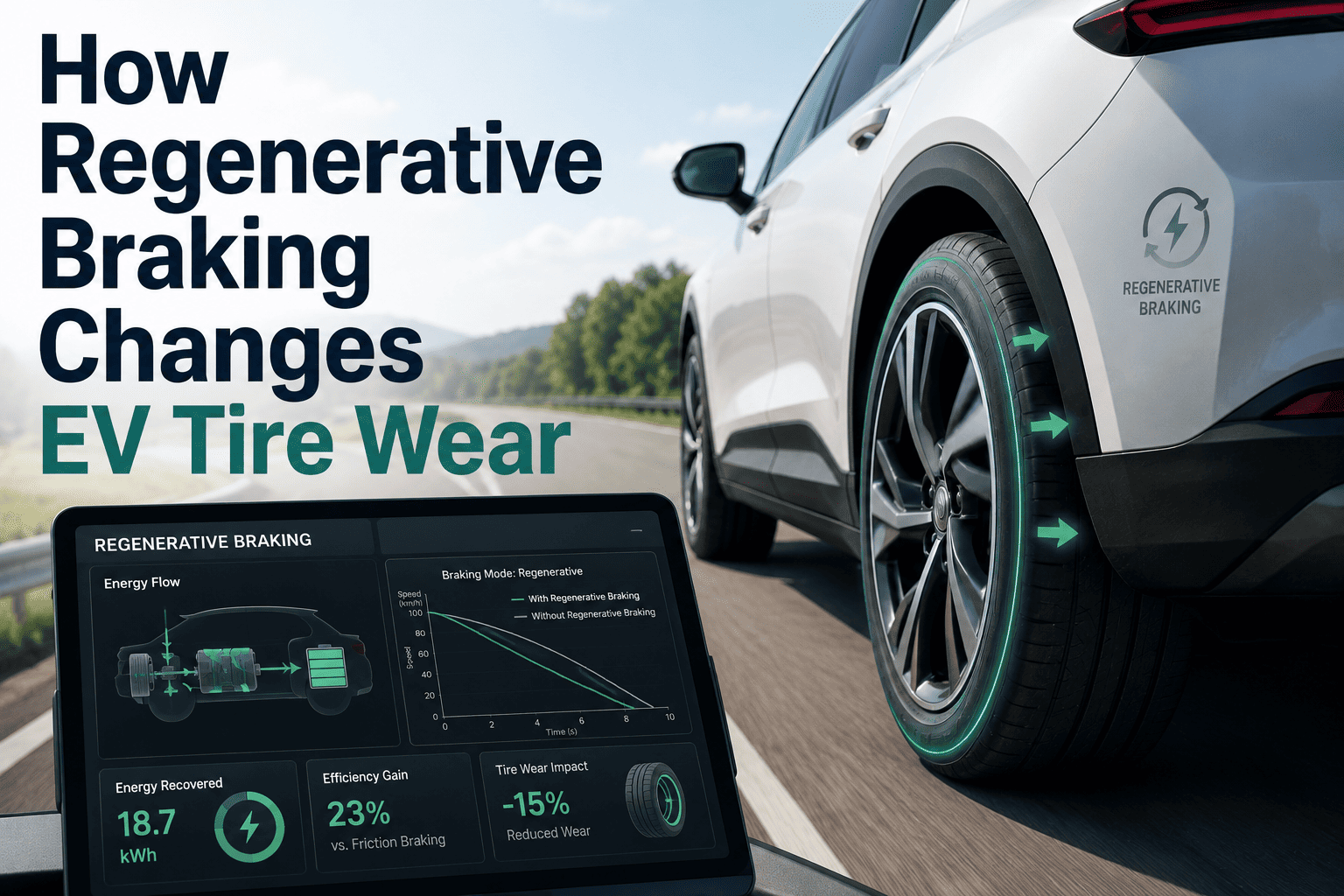
| Brake system | Pad and rotor wear from friction braking, replaced on a fixed schedule | Regenerative braking cuts pad wear, extending replacement intervals | Wear tracked per powertrain — no shared interval assumption |
| Thermal system | Radiator, coolant, and water pump checks tied to engine heat | Battery thermal loop and inverter coolant circuit checks | Sub-component PM schedule linked to the vehicle asset record |
| Technician requirement | Standard mechanical certification | High-voltage certification required for battery and inverter work | Certification verified automatically before HV work orders assign |
| Dispatch logic | Fuel level and MPG — refuel at any station | State of charge and range affected by weather, load, and speed | Range-aware dispatch flags unsuitable routes before departure |
| Cost tracking | Fuel cost per gallon from receipts and fuel cards | Electricity cost per kWh from charging sessions | Both convert to one cost-per-mile figure on a single report |
How Oxmaint Runs Mixed Fleets on One Dashboard
Every feature below exists because a mixed fleet asked for it — not because it was easy to build. Fleets ready to see it running on their own vehicle list can start a free trial or book a demo.
Every vehicle receives the correct service template the moment it's added — no manual configuration, no template confusion between an EV and a diesel box truck.
Work orders touching battery packs, inverters, or HV cabling only assign to technicians with a current certification on file — the platform enforces it without extra setup.
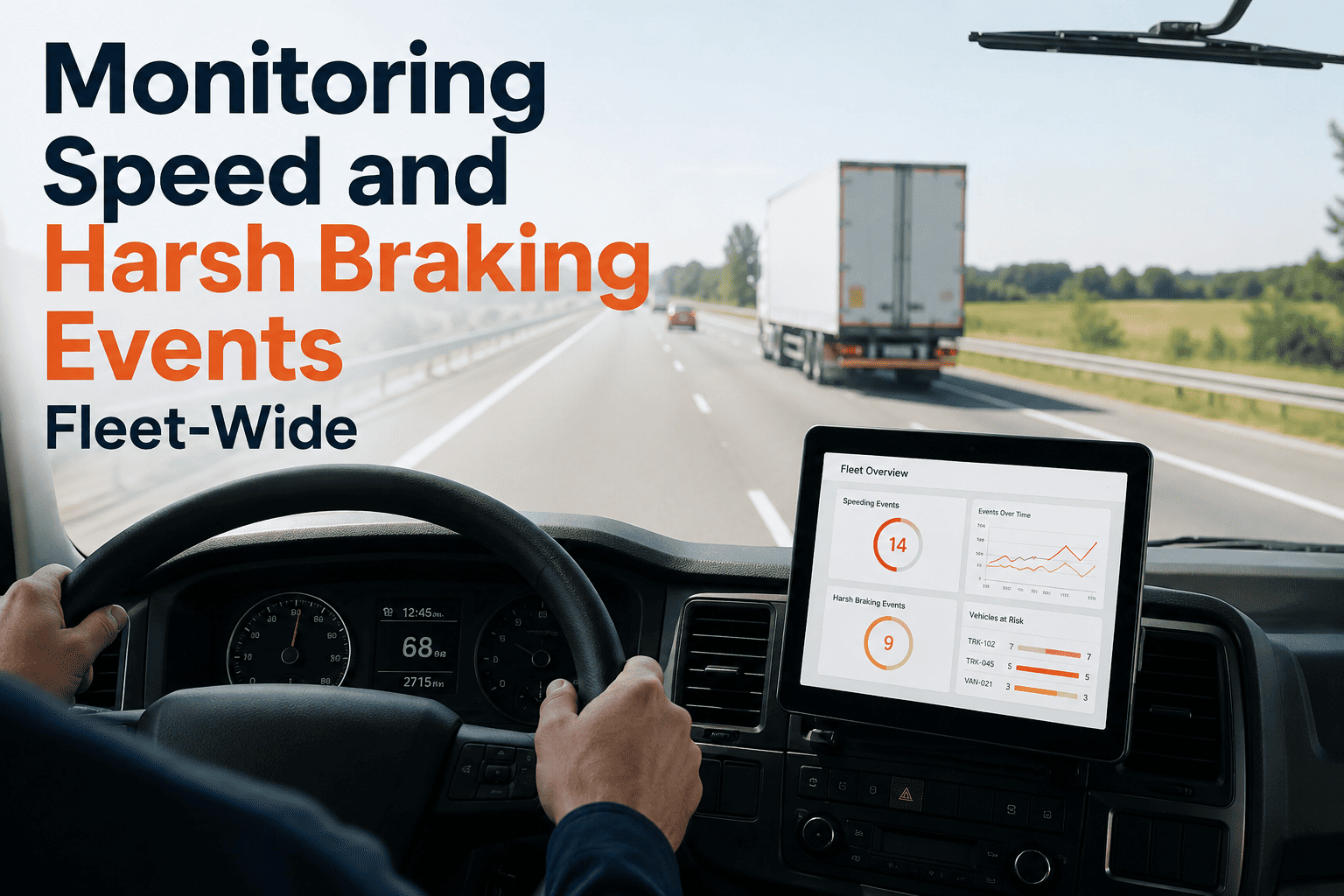
Before an EV leaves the yard, Oxmaint checks route distance against current state of charge, weather, and payload — flagging any assignment that would leave a driver stranded.
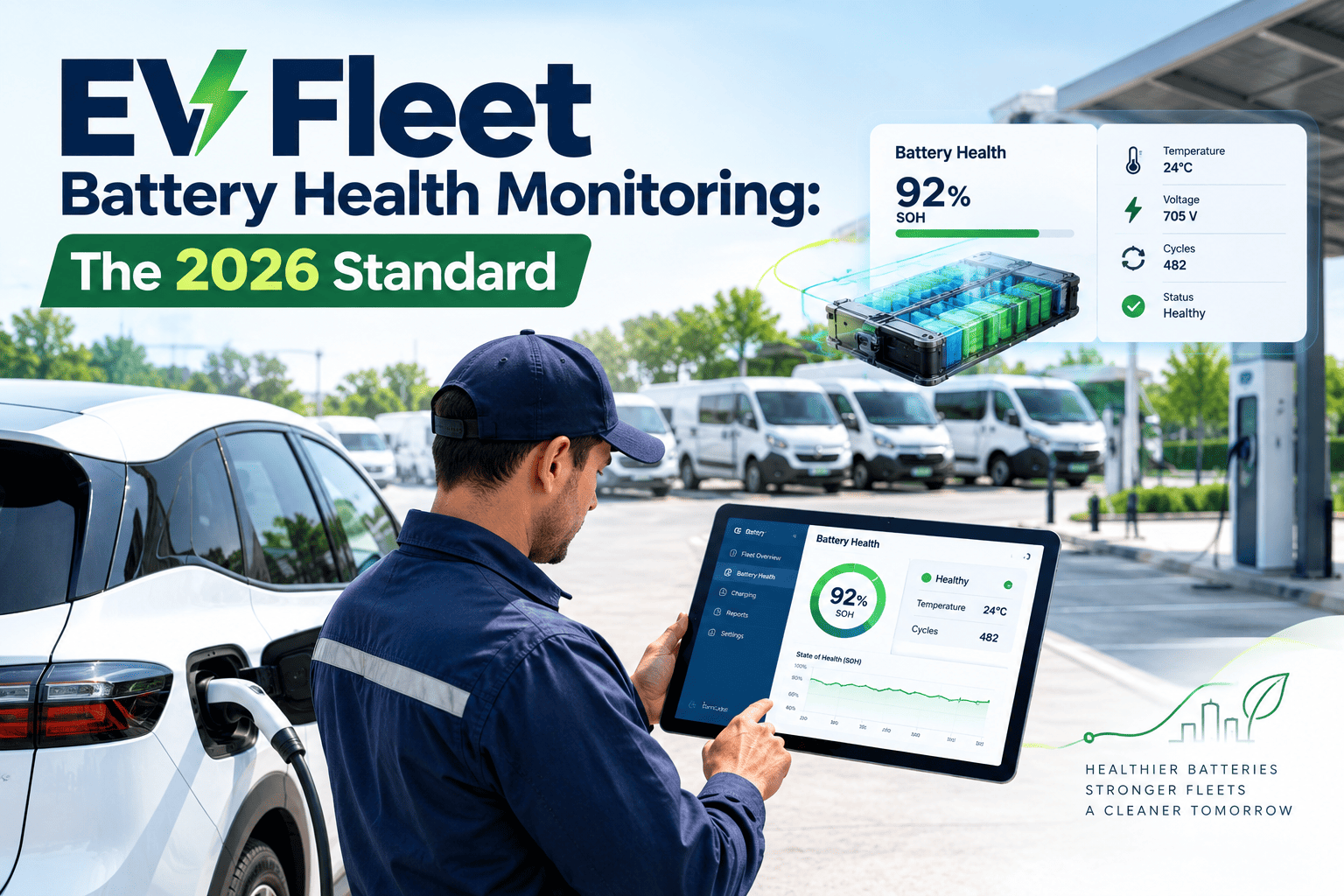
State of charge, state of health, and cycle count track on the same vehicle record as mechanical PM history, giving fleet managers an engine-hours equivalent for every battery pack.
Diesel gallons and electricity kilowatt-hours convert automatically into one comparable cost-per-mile metric, by vehicle, by route, and by season.
Pre-trip inspection forms adapt automatically to the assigned vehicle — EV drivers see charge level and nearest charger, ICE drivers see fuel level and nearest pump.
Two Disconnected Systems vs One Unified Platform
Results Fleets Report After Unifying EV and ICE Maintenance
Consumer and commercial fleet data both show EVs running well below equivalent diesel maintenance costs once oil changes and exhaust service disappear entirely
Fleet managers stop reconciling two systems every month once EV and ICE assets sit on one PM calendar and one cost report
Range-aware dispatch removes the guesswork that leads to EVs assigned routes their battery cannot actually complete
Reduced brake wear, no oil or transmission service, and fewer moving parts compound into meaningful lifetime maintenance savings per vehicle
Frequently Asked Questions
Can one platform really manage EV and ICE maintenance together?
Do EV technicians need separate certification inside the system?
How does cost-per-mile comparison work across diesel and electricity?
What stops an EV being dispatched on a route it can't finish?
How much can EV maintenance actually save over an ICE vehicle?
Your Fleet Is Already Mixed. Your Maintenance System Should Be Too.
Every fleet electrifying in 2026 hits the same wall: two powertrains, one maintenance team, and no single source of truth for what any of it actually costs. Oxmaint closes that gap from week one, with no separate EV system to configure and no parallel workflow to maintain.