A typical fleet is not short on data — it is drowning in it, spread across telematics, fuel cards, ELDs, maintenance logs, and dispatch tools that were never designed to talk to each other. Point-to-point connections between these systems break the moment a vendor updates a protocol or changes a data schema, and fleets managing over a dozen different software tools often discover a single broken bridge can leave maintenance teams blind to asset conditions for days. Disconnected systems and manual data entry quietly cost fleets a meaningful share of operational efficiency every year — not because the data doesn't exist, but because it's locked in silos that can't reach the people who need it. Sign in to OxMaint to see what a connected fleet data stack looks like.
Fleet System Integration · API Architecture · Connected Stack · OxMaint
Telematics, Fuel, ELD, and Maintenance Data — One Connected Stack Instead of a Dozen Systems That Don't Talk to Each Other.
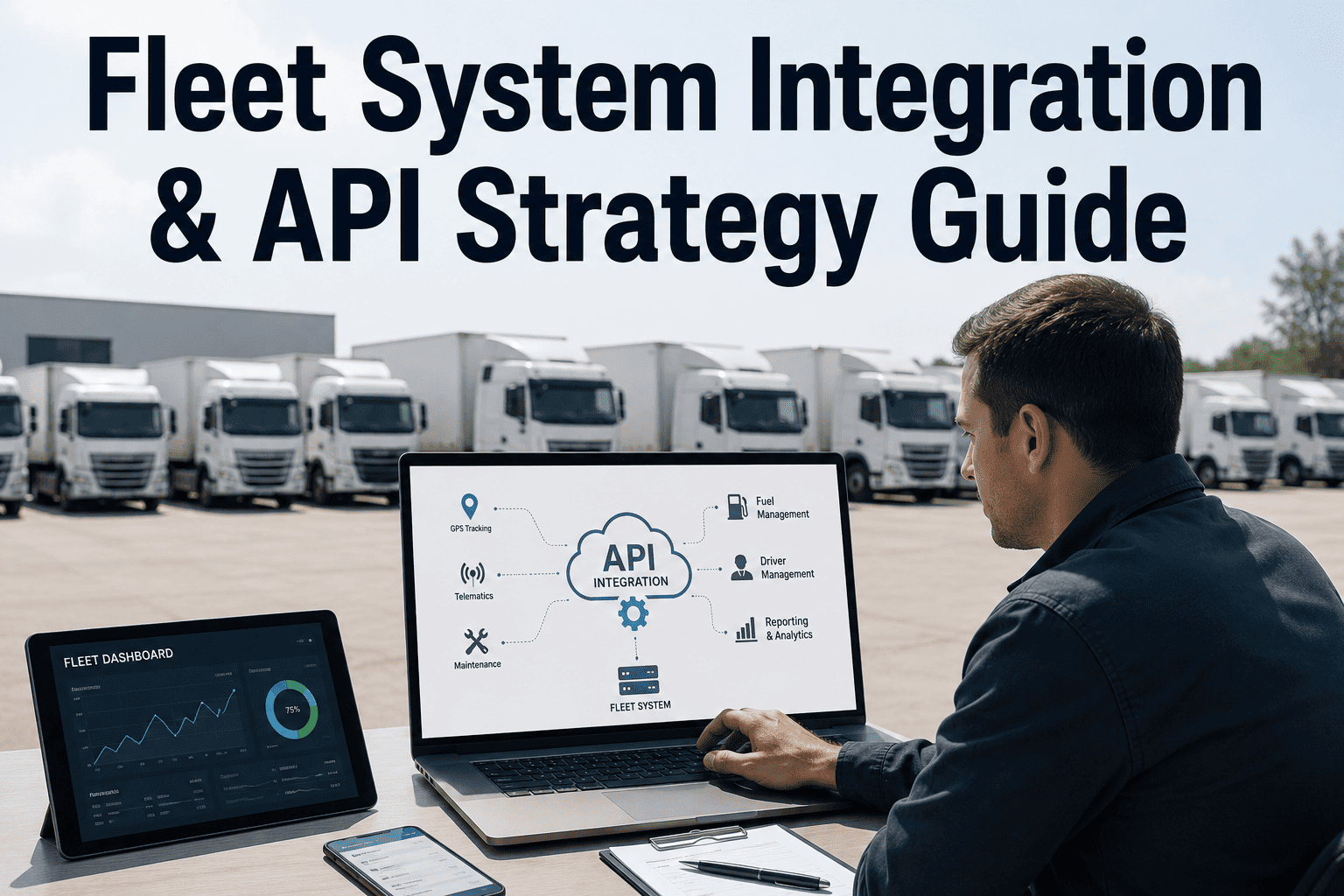
OxMaint replaces brittle point-to-point connections and manual data entry with an open API architecture that links telematics, fuel cards, ELD devices, and maintenance records into one continuous data flow — so a vendor update doesn't sever the pipeline your operation depends on.
14+
separate software tools a typical enterprise fleet operation manages across telematics, maintenance, fuel, and compliance
Days
a single broken point-to-point connection can leave maintenance teams without visibility into asset condition
1
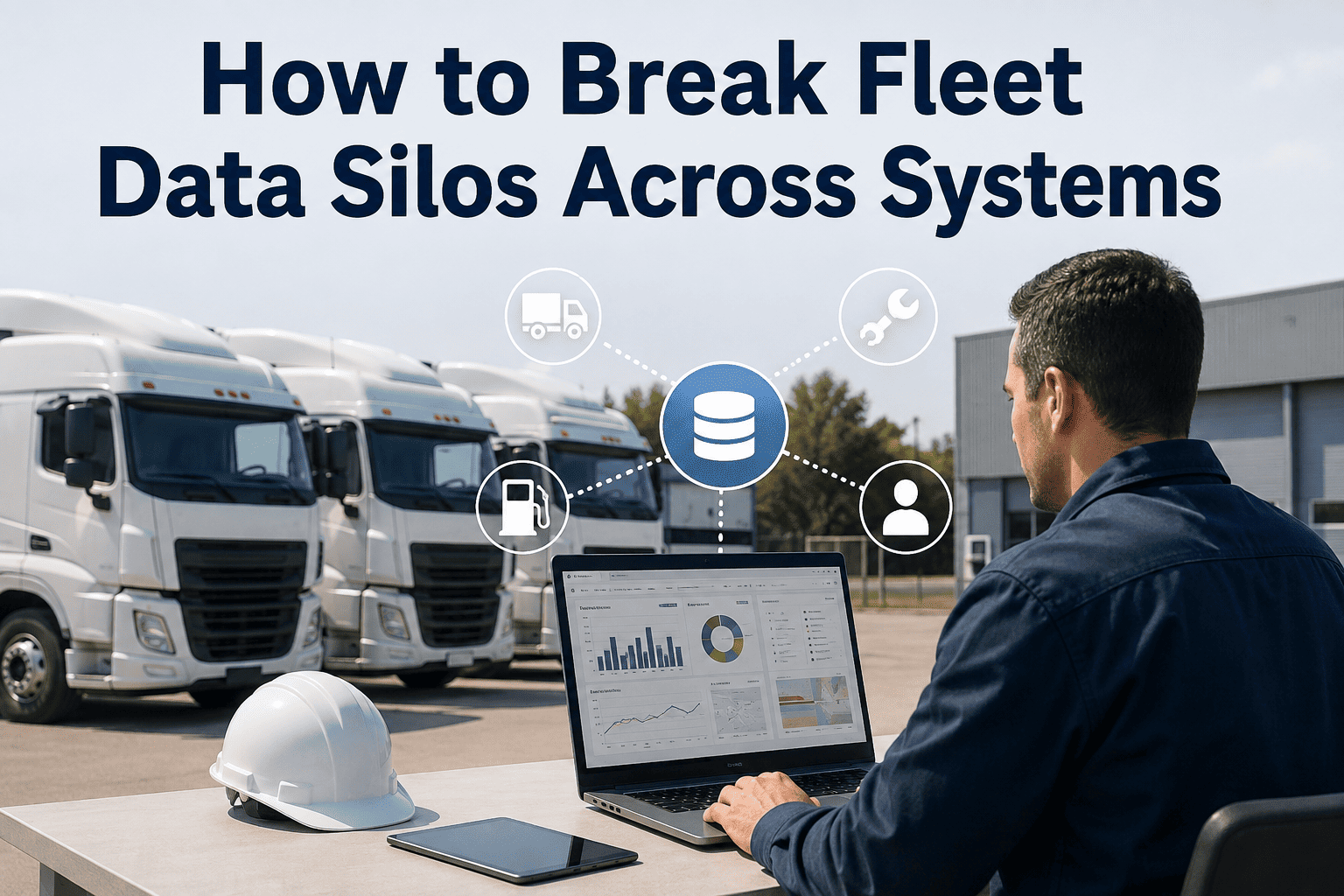
unified data layer connecting every source once, instead of a separate custom bridge for each pair of systems
Connecting a GPS platform directly to a maintenance system, then hardcoding a separate link to a fuel card provider, creates what integration teams call a "spaghetti" architecture — every connection is a single point of failure, and every vendor update is a risk to the whole chain. An API-first approach replaces that fragility with managed endpoints and event-driven data flows: each system connects once to a central layer, and every other system that needs that data simply subscribes to it. Growth stops meaning more custom bridges to maintain.
Four Layers of a Connected Fleet Data Architecture
TEL — Telematics Layer
Real-Time Location, Odometer, and Diagnostics Ingestion
OxMaint ingests GPS location, odometer readings, and engine fault codes continuously from connected telematics providers via open API, so preventive maintenance triggers fire from live vehicle data instead of manual mileage entry, and a fault code can generate a work order automatically.
Sign in to OxMaint to connect your telematics provider.
Key Telematics Data OxMaint Ingests
Live GPS location and route history per vehicle
Odometer readings synced continuously, not entered manually
Engine fault codes mapped to automatic diagnostic work orders
Idle time and driver behavior data for coaching workflows
Telematics Failures OxMaint Prevents
Odometer discrepancy — PM schedules built on stale manual entries
Missed fault codes — diagnostic alerts never reach the maintenance queue
Broken bridge — a provider update severs the whole data flow
FUEL — Fuel and Cost Layer
Fuel Card Transactions Tied to Vehicle and Driver Automatically
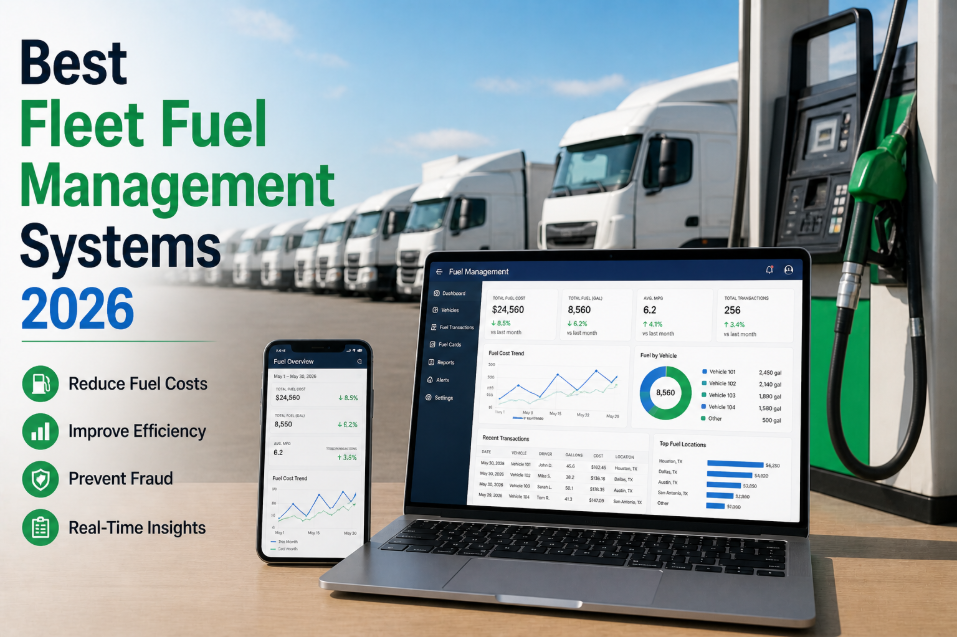
Fuel card transaction data connects directly into OxMaint, attributing every fill to the correct vehicle and driver automatically and flagging anomalies — a fill that exceeds tank capacity, or a transaction logged off the vehicle's actual route — without anyone reconciling spreadsheets by hand.
Book a demo to see fuel data integration in OxMaint.
Key Fuel Data OxMaint Connects
Transaction-to-vehicle attribution — automatic, not manually matched
Fill volume anomaly detection against known tank capacity
Off-route transaction flagging using telematics location data
Cost-per-mile rollups by vehicle, route, or driver
Fuel Failures OxMaint Prevents
Manual reconciliation — spreadsheets matched to invoices by hand
Undetected fraud — anomalous transactions go unnoticed for weeks
Delayed cost visibility — fuel spend reported only at month end
MAINT — Maintenance Layer
Work Orders, Asset History, and Sensor Alerts in One Record
Maintenance data does not sit in an isolated system — a fault code, an odometer trigger, and a completed repair all attach to the same asset record in OxMaint, so anyone pulling up a vehicle's history sees the complete picture instead of piecing it together from separate tools.
Sign in to OxMaint to see the unified asset record.
Key Maintenance Data OxMaint Unifies
Work order history linked to the triggering telematics event
Full asset service record in one searchable place
IoT sensor alerts routed directly into the maintenance queue
Parts and labor cost tied back to the vehicle's cost-per-mile
Maintenance Failures OxMaint Prevents
Fragmented history — service records split across disconnected tools
Sensor alerts ignored — IoT data generated but never actioned
Cost blind spot — repair spend not tied back to vehicle performance
API — Integration Layer
Open API and Webhooks Instead of Custom Point-to-Point Code
OxMaint's open API architecture lets every connected system publish and subscribe to data through managed endpoints and webhooks — so adding a new telematics provider, fuel card, or ELD device connects once to the platform instead of requiring a new custom bridge to every other system already in place.
Book a demo to see the OxMaint integration architecture.
Key Integration Data OxMaint Manages
Managed API endpoints replacing brittle custom point-to-point code
Event-driven webhooks pushing updates as they happen, not on a batch delay
Pre-built connectors for common telematics, fuel, and ELD providers
Schema resilience — provider updates handled without breaking the pipeline
Integration Failures OxMaint Prevents
Spaghetti architecture — every new tool needs its own custom bridge
Vendor-update breakage — one API change severs a critical data flow
Consultant dependency — ongoing developer hours spent maintaining bridges
OxMaint AI · Fleet System Integration
Every Data Source Connected Once. Every System Subscribed to What It Needs. Every Vendor Update Absorbed Without Breaking the Pipeline.
OxMaint closes the integration gap that leaves fleets managing a dozen disconnected tools and rebuilding bridges every time one of them changes.
What Makes OxMaint's Integration Architecture Resilient as the Stack Grows
Three Architecture Choices That Prevent Integration Rework
Architecture · Event-Driven Flow
Webhooks Instead of Scheduled Batch Syncs
Data moves the moment an event happens — a fault code, a fuel transaction, a completed work order — instead of waiting for the next scheduled batch import to catch up.
Architecture · Managed Endpoints
One Connection Point, Not a Bridge Per Tool Pair
Every system connects to OxMaint's API layer once, and any other connected system can subscribe to that data — adding a fifteenth tool doesn't mean building a fifteenth custom bridge.
Architecture · Schema Resilience
Provider Updates Absorbed at the Integration Layer
When a telematics or fuel card provider changes its data format, the integration layer adapts centrally instead of every downstream connection breaking independently.
Where Disconnected Fleet Systems Create the Most Risk
Critical — Downtime Risk
Fault Codes Not Reaching Maintenance
A fault code generated by telematics but never routed to a work order queue is a breakdown waiting to happen. OxMaint auto-generates the work order at the moment of detection.
Critical — Broken Bridge
Single Point-to-Point Connection Failure
One custom bridge between two systems is one vendor update away from failing entirely. OxMaint's managed API layer isolates the impact of any single provider change.
Critical — Cost Blind Spot
Fuel and Repair Spend Not Tied to the Vehicle
Cost data sitting in a separate system from asset history makes true cost-per-mile impossible to calculate. OxMaint unifies both under one asset record.
Elevated — Manual Entry
Odometer and Mileage Entered by Hand
Manual mileage entry drifts from actual usage over time, throwing off PM scheduling. OxMaint pulls odometer readings continuously from telematics instead.
Elevated — Consultant Cost
Ongoing Developer Hours to Maintain Bridges
Custom integrations require continuous maintenance as each connected vendor changes their systems. OxMaint's pre-built connectors absorb that maintenance centrally.
Elevated — Decision Delay
Data Available Only at Month-End Reporting
Batch-synced systems mean decisions get made on stale numbers. OxMaint's event-driven flow keeps every connected data point current in real time.
Fleet Data Source Coverage — Integration Priority by System Type
Documented Outcomes — Fleets Using OxMaint's Connected Architecture
1
central API layer connecting telematics, fuel, ELD, and maintenance instead of a dozen separate custom bridges
Auto
work order generation from live fault codes and odometer triggers, no manual data entry required
Days
to connect a new data source through pre-built connectors instead of weeks of custom bridge development
Open
API architecture connecting the full fleet tech stack natively
Event
driven webhooks pushing data the moment it changes, not on a delay
Pre-Built
connectors for common telematics, fuel, and ELD providers
Resilient
to vendor schema updates without breaking the whole data pipeline
Your fleet's data already exists. It's just locked in systems that were never built to talk to each other. OxMaint connects them once and keeps them connected.
Telematics ingestion. Fuel and cost attribution. Unified maintenance records. Open API architecture. OxMaint replaces brittle point-to-point bridges with one connected fleet data stack.
We had a custom bridge between our telematics provider and our old maintenance system, and every time either vendor pushed an update, something broke and we'd lose visibility for days. Since moving to OxMaint's API layer, adding a new data source is a configuration step, not a development project. Our fault codes turn into work orders automatically now instead of sitting in an inbox someone forgot to check.
— Director of Fleet Technology, Multi-Region Distribution Fleet · OxMaint user
Frequently Asked Questions — Fleet System Integration and API Strategy With OxMaint
Does OxMaint support our existing telematics provider?
OxMaint connects to common telematics, fuel card, and ELD providers through pre-built connectors, and supports open API connections for less common systems.
Sign in to OxMaint to check your provider's connection status.
What happens when a connected vendor updates their API?
OxMaint's managed integration layer absorbs most schema and protocol changes centrally, so a vendor update does not automatically break the data flow into your fleet's maintenance and cost records.
How long does it take to connect a new data source?
Pre-built connectors typically connect in days rather than the weeks required to build a custom point-to-point bridge from scratch.
Book a demo to see connector setup in OxMaint.
Can a fault code from telematics automatically create a work order?
Yes, engine diagnostic fault codes ingested through the API layer can be mapped to automatically generate a diagnostic work order in the maintenance queue without manual entry.
Do we need developer resources to maintain the integrations?
No, OxMaint's managed API layer and pre-built connectors are designed to reduce ongoing developer maintenance compared to custom point-to-point integrations built and maintained in-house.
Stop Rebuilding Bridges Every Time a Vendor Updates Their API. Connect Your Fleet Stack Once.
Telematics ingestion, fuel and cost attribution, unified maintenance records, and an open API architecture built for growth — OxMaint turns a dozen disconnected fleet tools into one connected data stack that doesn't break every time something changes.