
Diesel Exhaust Fluid (DEF) system failures and Diesel Particulate Filter (DPF) regeneration problems are among the leading causes of unplanned fleet downtime, with each unnecessary forced regen burning through 1 to 1.5 gallons of diesel fuel and taking up to 60 minutes of idle time. For fleet managers overseeing heavy-duty diesel vehicles, a structured inspection approach can mean the difference between a routine service interval and a roadside breakdown costing thousands in towing, emergency repairs, and lost revenue. This checklist is built to help your maintenance teams systematically identify DEF contamination risks, DPF soot overload warnings, sensor malfunctions, and aftertreatment inefficiencies before they escalate into engine derating or complete shutdowns. Whether your fleet runs long-haul corridors or stop-and-go urban routes, these inspection points ensure your aftertreatment systems stay compliant, efficient, and road-ready.
How DEF & DPF Systems Work Together
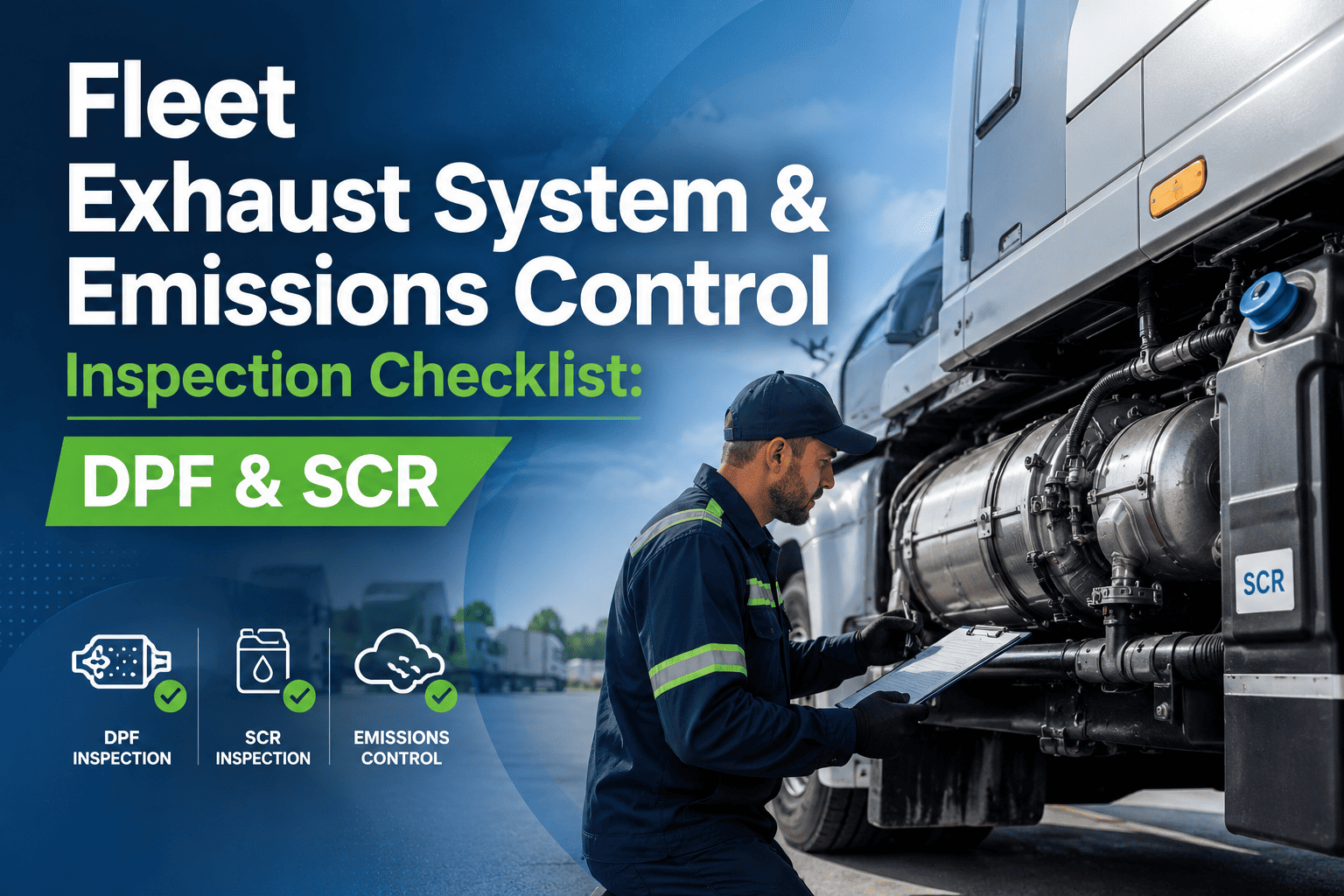
Understanding the aftertreatment ecosystem is essential before inspecting individual components. The DPF captures soot particles from diesel combustion while the DEF system uses Selective Catalytic Reduction (SCR) technology to convert harmful nitrogen oxides (NOx) into harmless nitrogen and water. When either system fails, the entire emissions control chain breaks down, triggering engine derating, check engine lights, and potential EPA compliance violations. Fleet teams that sign up for OxMaint can digitize these inspection workflows and track every aftertreatment service event in one centralized dashboard.
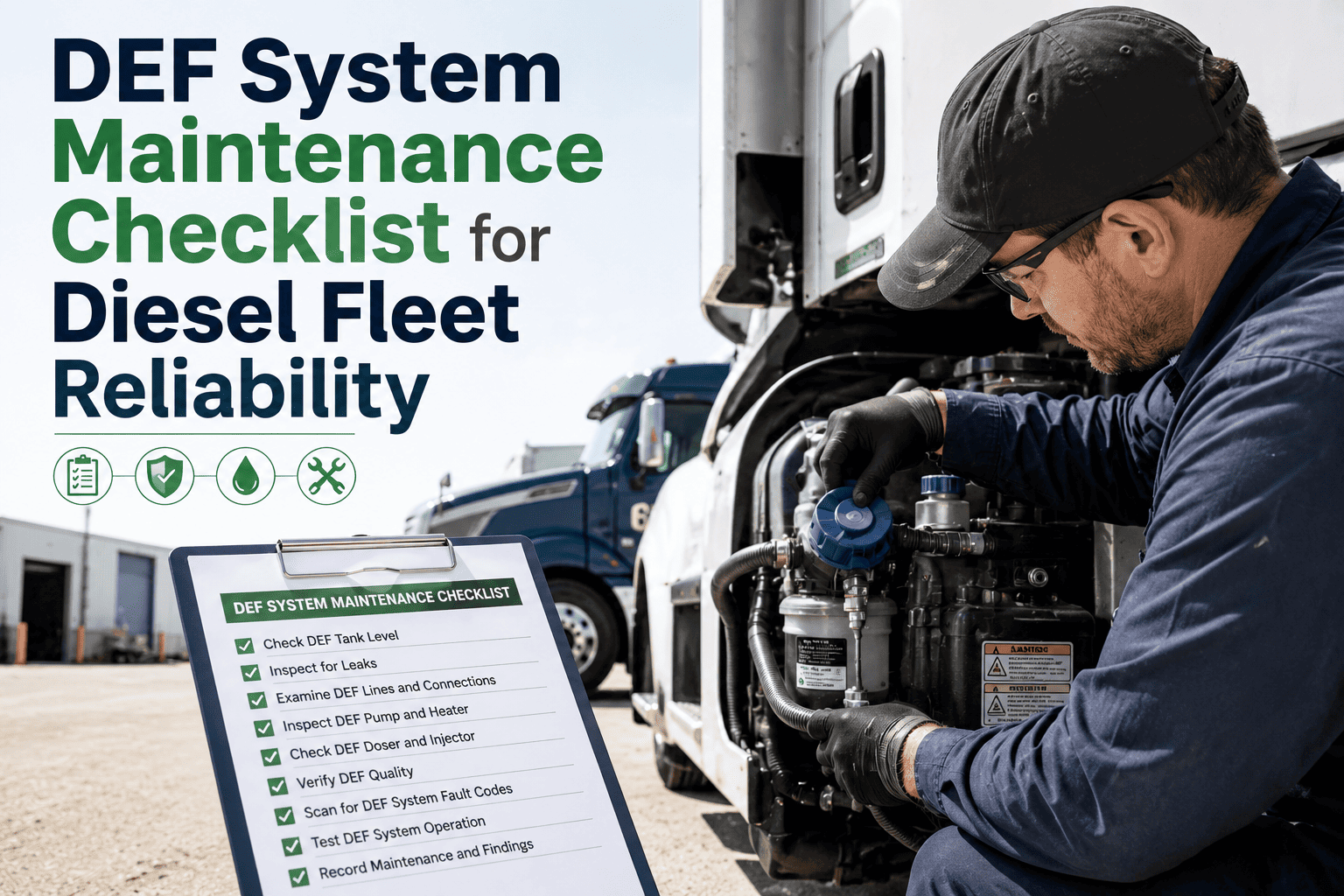
DEF System & DPF Regeneration Inspection Checklist
Use this interactive checklist during every scheduled PM service or when dashboard warning indicators appear. Each inspection point targets a critical failure area in the diesel aftertreatment system. Fleet teams managing dozens or hundreds of assets can book a demo to see how OxMaint automates these checks with mobile-first digital checklists, photo capture, and automatic work order generation.
DEF Fluid Quality & Level Inspection
Contaminated or expired DEF is one of the most common causes of SCR system failure. DEF must meet ISO 22241 standards with a 32.5% urea concentration.
DPF Soot Load & Ash Level Assessment
A DPF overloaded with soot increases exhaust backpressure, reduces engine power, and can trigger emergency derating. Ash accumulates even with successful regens and requires periodic cleaning.
Aftertreatment Sensor Verification
Faulty pressure, temperature, or NOx sensors can cause the system to skip regeneration entirely or trigger false fault codes. Sensor health is the nervous system of your aftertreatment.
Regeneration System Performance Check
Regeneration is the self-cleaning process that burns off accumulated soot. Passive regen occurs naturally at highway speeds, active regen is ECM-triggered, and forced regen requires manual intervention.
DEF Dosing & SCR System Inspection
The SCR catalyst relies on precise DEF dosing to convert NOx emissions. Clogged injectors, failed pumps, or crystallized DEF lines will cause the system to default and derate the engine.
Engine & Fluid Compatibility Verification
Upstream engine problems directly impact DPF loading rates and DEF system longevity. Wrong oil grades, fuel quality issues, or leaking components dump excess contaminants into the aftertreatment.
Digitize Your DEF & DPF Inspections. Go Digital with OxMaint.
Stop relying on paper checklists that get lost or ignored. OxMaint lets your technicians complete DEF system and DPF regeneration inspections on their mobile devices, attach photos of damaged components, and automatically generate work orders when issues are found — all from one platform built for fleet compliance.
Warning Signs Your Aftertreatment Needs Attention
Trained drivers and technicians who recognize early symptoms can prevent minor DEF and DPF issues from turning into major failures. If your team spots any of these indicators, initiate the inspection checklist above immediately and document findings in your CMMS. Fleet operations that sign up for OxMaint can set up automated alerts triggered by engine fault codes so nothing slips through the cracks.
DPF Warning Light Illuminated
Active dashboard indicator means soot load has exceeded the automatic regeneration threshold and manual intervention may be required.
Reduced Engine Power
Progressive power loss signals excessive exhaust backpressure from a clogged DPF or failed regen cycle that did not complete.
Increased Fuel Consumption
A sudden spike in fuel usage often indicates the engine is compensating for restricted exhaust flow through the aftertreatment system.
Excessive Exhaust Smoke
White or black smoke from the tailpipe suggests incomplete combustion, failed regeneration, or DEF system malfunction.
Recurring Fault Codes
Repeated emissions-related DTCs point to persistent aftertreatment problems that simple regen attempts will not resolve.
DEF Low Level / Quality Alert
DEF system warnings indicate fluid needs refilling or has degraded past usable quality, risking SCR catalyst damage.
Understanding the Three Types of DPF Regeneration
Not every regen is the same, and fleet managers who understand the differences can optimize routes, driver behavior, and PM schedules to minimize forced interventions. Tracking regen frequency and type across your entire fleet becomes effortless when you book a demo to explore OxMaint's maintenance analytics and reporting capabilities.
Passive Regeneration
Occurs naturally during sustained highway driving when exhaust temperatures exceed 1,000°F (540°C). Soot converts to ash automatically with no driver action required. Most effective for long-haul operations.
Active Regeneration
ECM-triggered when DPF soot load reaches 45%–70%. The system injects additional fuel post-combustion to raise exhaust temperatures up to 1,100°F (593°C). Happens automatically during vehicle operation.
Forced Regeneration
Manual process requiring the vehicle to be stationary with park brake set. Initiated by a technician using a diagnostic tool when passive and active regens have been insufficient. Takes 30–60 minutes.
Ready to Eliminate DPF Downtime Across Your Fleet
OxMaint helps fleet maintenance teams catch DEF contamination, sensor failures, and regen issues before they cause engine derating or roadside breakdowns. Join thousands of fleet professionals who have switched from reactive repairs to proactive, data-driven aftertreatment maintenance.
Frequently Asked Questions
How often should DEF system and DPF inspections be performed on fleet vehicles
DEF system and DPF inspections should be included in every scheduled preventive maintenance (PM) service, which for most heavy-duty fleets falls between every 10,000 to 25,000 miles depending on duty cycle severity. Vehicles operating primarily in stop-and-go urban environments should be inspected more frequently since passive regeneration occurs less often. Additionally, any time a DPF warning light illuminates, an immediate inspection should be triggered regardless of the scheduled PM interval. OxMaint allows you to set custom inspection triggers based on mileage, engine hours, or fault code alerts.
What are the most common causes of DEF system failure in diesel trucks
The most common causes include contaminated DEF fluid from using non-certified products or dirty filling equipment, crystallized DEF injector nozzles from heat cycling, failed DEF pump modules, and degraded DEF from improper storage temperatures. Using containers made from incompatible materials like copper, brass, or galvanized metal will chemically contaminate DEF on contact. Expired DEF that has been stored beyond its shelf life or exposed to temperatures above 86°F for extended periods will also lose its urea concentration and become ineffective for NOx reduction.
How can I reduce the frequency of forced DPF regenerations in my fleet
Reducing forced regens requires a combination of driver education and operational adjustments. Schedule periodic highway driving for vehicles that primarily operate on local routes to enable passive regeneration. Train drivers to not interrupt active regen cycles when they initiate during operation. Minimize excessive idling, which produces soot without generating enough heat for passive regen. Ensure you are using CK-4 or FA-4 rated low-ash engine oil and ultra low sulfur diesel fuel exclusively. Fix upstream engine issues like leaking injectors, turbo problems, or EGR valve carbon buildup promptly, as these dump extra soot into the DPF.
What happens if the DPF is not regenerated or maintained properly
Neglecting DPF regeneration leads to a cascade of increasingly severe consequences. Initially, soot overload increases exhaust backpressure, reducing fuel efficiency and engine power. The ECM will progressively derate the engine, first limiting speed and torque, then potentially putting the vehicle into a limp mode that makes it nearly undriveable. In extreme cases, excessive heat from an overloaded DPF can cause thermal cracking of the ceramic substrate, requiring a complete DPF replacement costing $2,000 to $5,000 or more. There are also EPA compliance implications including potential fines for vehicles operating with non-functional emissions systems.
How does OxMaint help manage DEF and DPF maintenance for fleets
OxMaint provides digital checklist templates that technicians complete on mobile devices during PM services, ensuring every DEF and DPF inspection point is covered consistently across all vehicles and locations. When issues are found, the system automatically generates prioritized work orders with photo documentation attached. Fleet managers get real-time visibility into aftertreatment health across the entire fleet through centralized dashboards. The platform tracks regen history, sensor replacement intervals, DPF cleaning schedules, and DEF consumption patterns, giving you the data needed to shift from reactive repairs to predictive maintenance.
Can this checklist be used for EPA and DOT compliance documentation
Yes, maintaining detailed aftertreatment inspection records is essential for demonstrating compliance with EPA emissions standards and DOT vehicle safety regulations. When performed through OxMaint, every checklist completion is digitally timestamped, tied to a specific vehicle and technician, and stored with any photos or notes captured during the inspection. This creates an audit-ready digital trail that satisfies regulatory documentation requirements far more reliably than paper-based systems. Reports can be generated instantly for compliance reviews, warranty claims, or fleet safety audits.
-maintenance-checklist.png)


