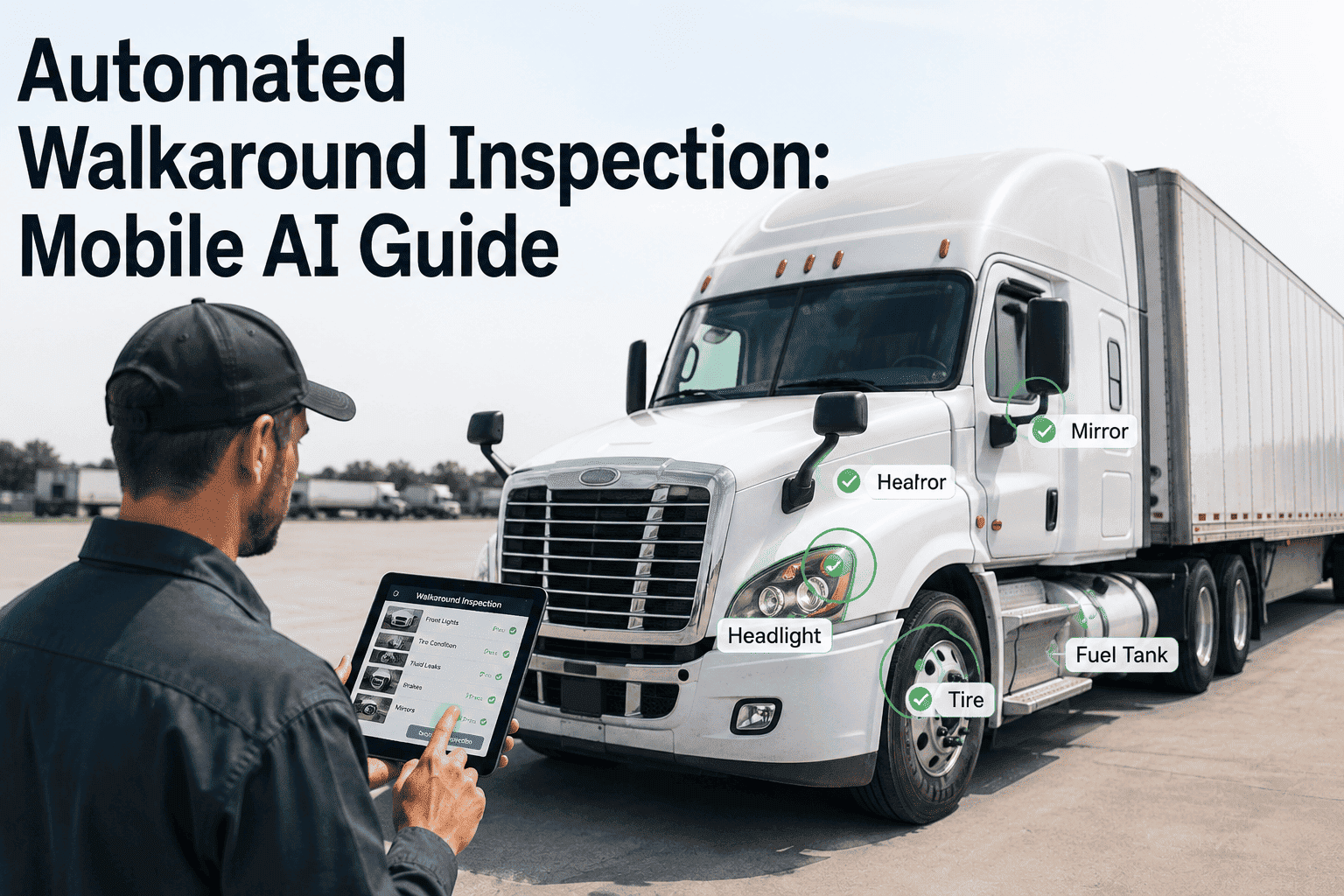
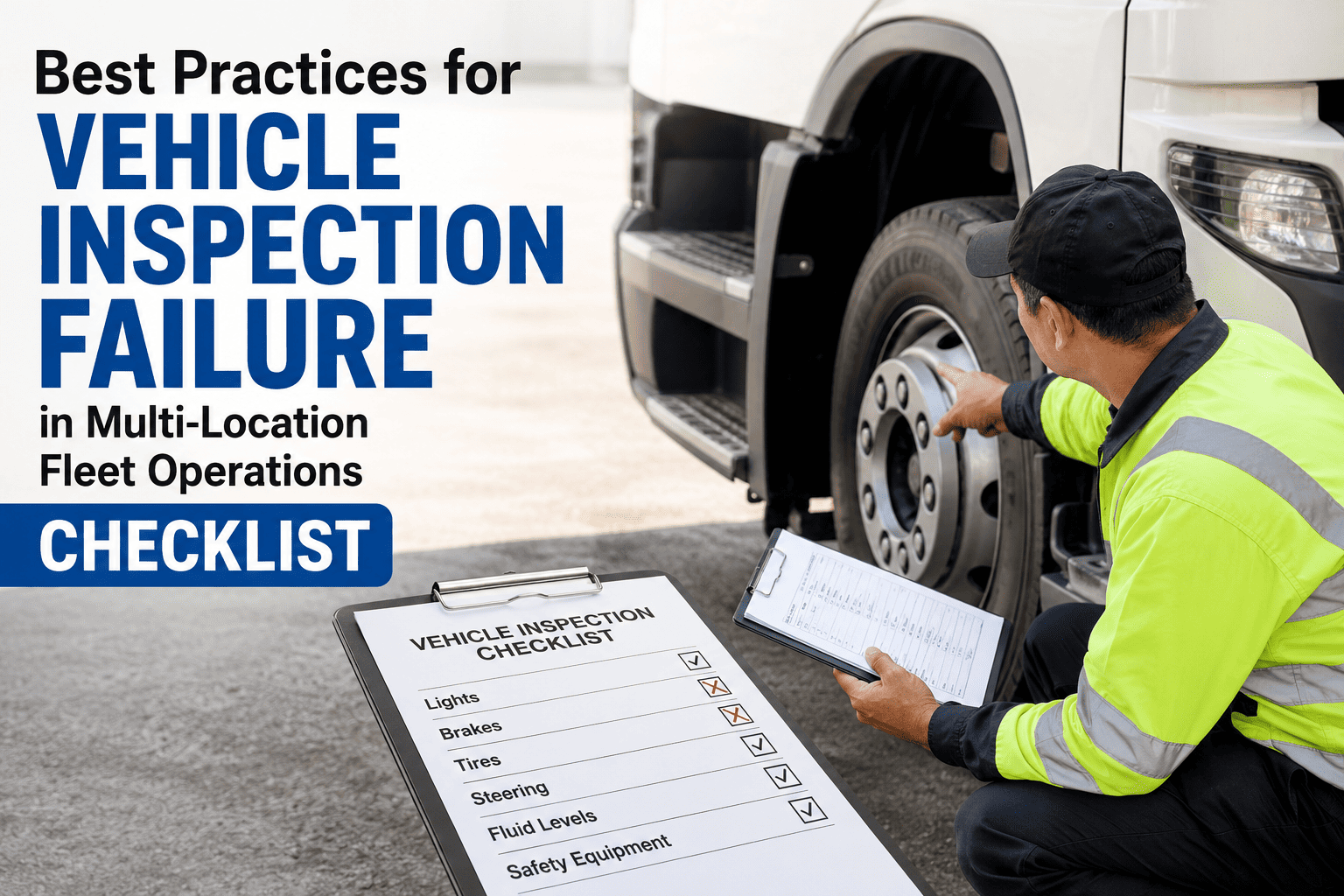
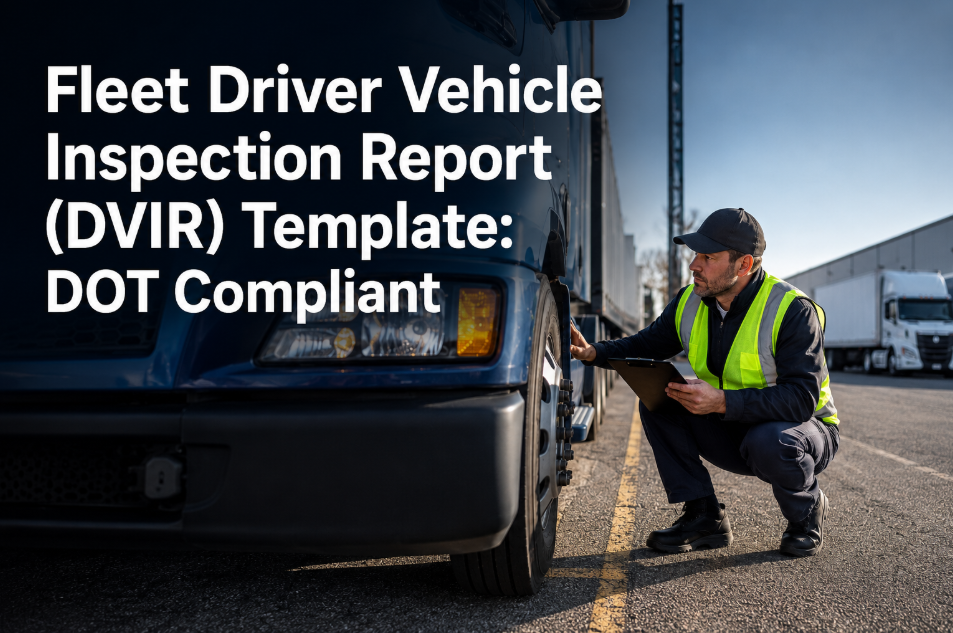
Paper walkaround checklists have one structural problem: a driver in a hurry can mark every box as fine without actually looking. There is no photo, no timestamp, and no way to tell a rushed inspection from a thorough one until the vehicle fails on the road. Mobile AI turns the same walkaround into something verifiable — the driver's phone captures the inspection, and a model trained on vehicle defects checks the images while the checklist is still open. Fleets that switch from paper to mobile AI inspection typically see defect reporting rates rise sharply in the first month, simply because problems that were being silently skipped start getting caught. OxMaint's mobile inspection app turns every flagged defect into a work order without a second data entry step.
30–50%
Increase in defects reported in the first month after switching from paper to mobile AI inspection
90 sec
Average time to complete a photo-documented walkaround on a mobile device
100%
Of inspections timestamped and photo-backed, versus spot-checked on paper
1 shift
Typical time for a driver to become fully comfortable with the mobile inspection flow
Paper Checklist vs. Mobile AI Walkaround
Make Every Walkaround Count
Turn a phone-based inspection into a defect-to-work-order pipeline
Rolling Out Mobile AI Inspection
1
Digitize the Checklist
Existing DOT and internal walkaround items move into the app in the same order drivers already know, keeping the change to workflow minimal.
2
Photo Capture Per Item
Each checklist item prompts a photo where relevant — tires, lights, fluid areas, coupling points — building the visual record automatically.
3
AI-Assisted Defect Flagging
The model reviews photos in real time and flags likely defects the driver may have missed, prompting a closer look before the inspection closes.
4
Defect-to-Work-Order Handoff
Confirmed defects generate a work order directly in the maintenance system, with the original photo attached for the technician.
5
Monthly Trend Review
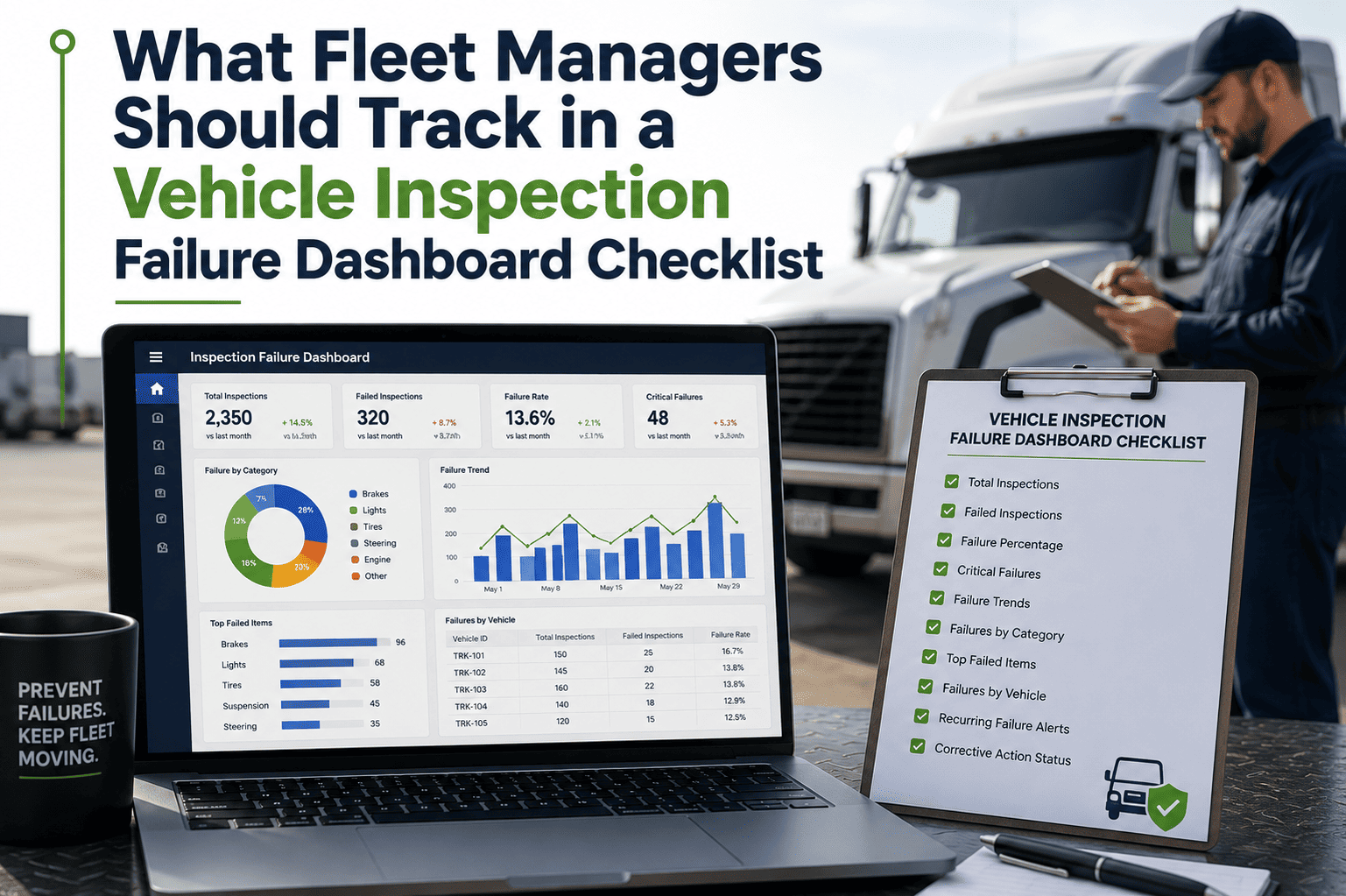
Fleet managers review defect trends by vehicle and terminal each month, catching recurring problem patterns that a single inspection would never surface.
A Walkaround That Actually Proves Itself
OxMaint pairs every checklist item with a photo, flags likely defects automatically, and builds the work order without a second data entry step.
What Mobile AI Catches That Drivers Often Miss
Tire Wear & Damage
Uneven tread wear, sidewall cracks, and low tread depth are flagged from a standard tire photo before they become a roadside blowout.
Lighting & Reflector Faults
Cracked lenses, burned-out bulbs, and missing reflectors are among the most common cited violations and the easiest to miss in daylight.
Body & Coupling Damage
Dents, rust-through, and coupling wear are compared against prior inspection photos to catch gradual change over time.
Missing Safety Equipment
Fire extinguishers, triangles, and required signage are checked for presence in the frame, not just marked complete from memory.
Brake & Air System Signs
Visible air line wear and brake component condition are logged from the underside photo pass, adding a layer of scrutiny paper checklists rarely capture.
Windshield & Mirror Cracks
Chips and cracks in the direct line of sight are flagged before they spread or trigger a roadside inspection violation.
30–50%
more defects reported after switching to mobile
90 sec
average completion time per inspection
Zero
re-entry steps between inspection and work order
6+
defect categories flagged automatically per inspection
Our paper compliance rate always looked perfect, which should have been the first red flag. Once drivers switched to photo-based inspection, defect reports tripled in the first two weeks — not because vehicles got worse, but because we finally saw what had been getting checked off without a real look.
— Safety Director, 95-vehicle regional fleet
Getting Driver Buy-In From Day One
The fastest rollouts frame the app as protection for the driver, not surveillance of the driver. A photo-documented inspection is the strongest evidence a driver has if a vehicle fails after they signed off on it as safe — it shows exactly what was checked and when. Fleets that lead with that framing during training see faster, more thorough adoption than fleets that introduce the tool purely as a compliance requirement.
Frequently Asked Questions
Do drivers need special training to use mobile AI inspection?
Most drivers are productive within one shift since the checklist mirrors their existing paper process, just with a photo prompt at each step.
Does this work without a fixed camera setup?
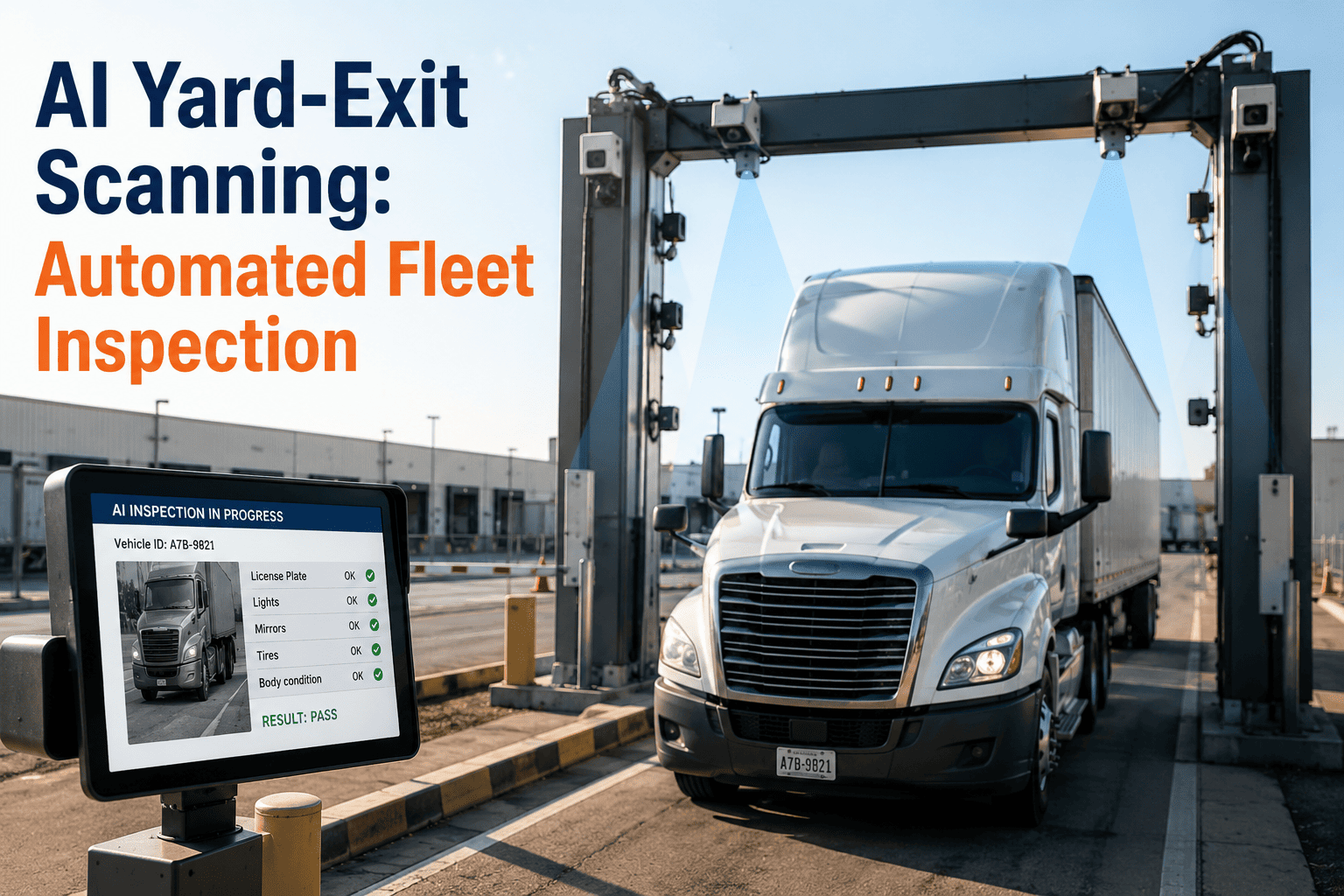
Yes, a standard smartphone camera is sufficient — no dedicated inspection bay hardware or fixed cameras are required.
Is a rise in defect reports actually a bad sign?
No, it usually means previously unreported issues are finally visible. Fleets typically see reported defects stabilize after the first few months as underlying maintenance backlogs get cleared.
Can inspection records support a DOT audit?
How do we pilot this with one terminal first?
Most fleets start with a single location or route group.
Book a demo to plan a pilot rollout.
Stop Trusting a Checkbox You Can't Verify
Give every walkaround a photo, a timestamp, and a direct line to the work order queue.