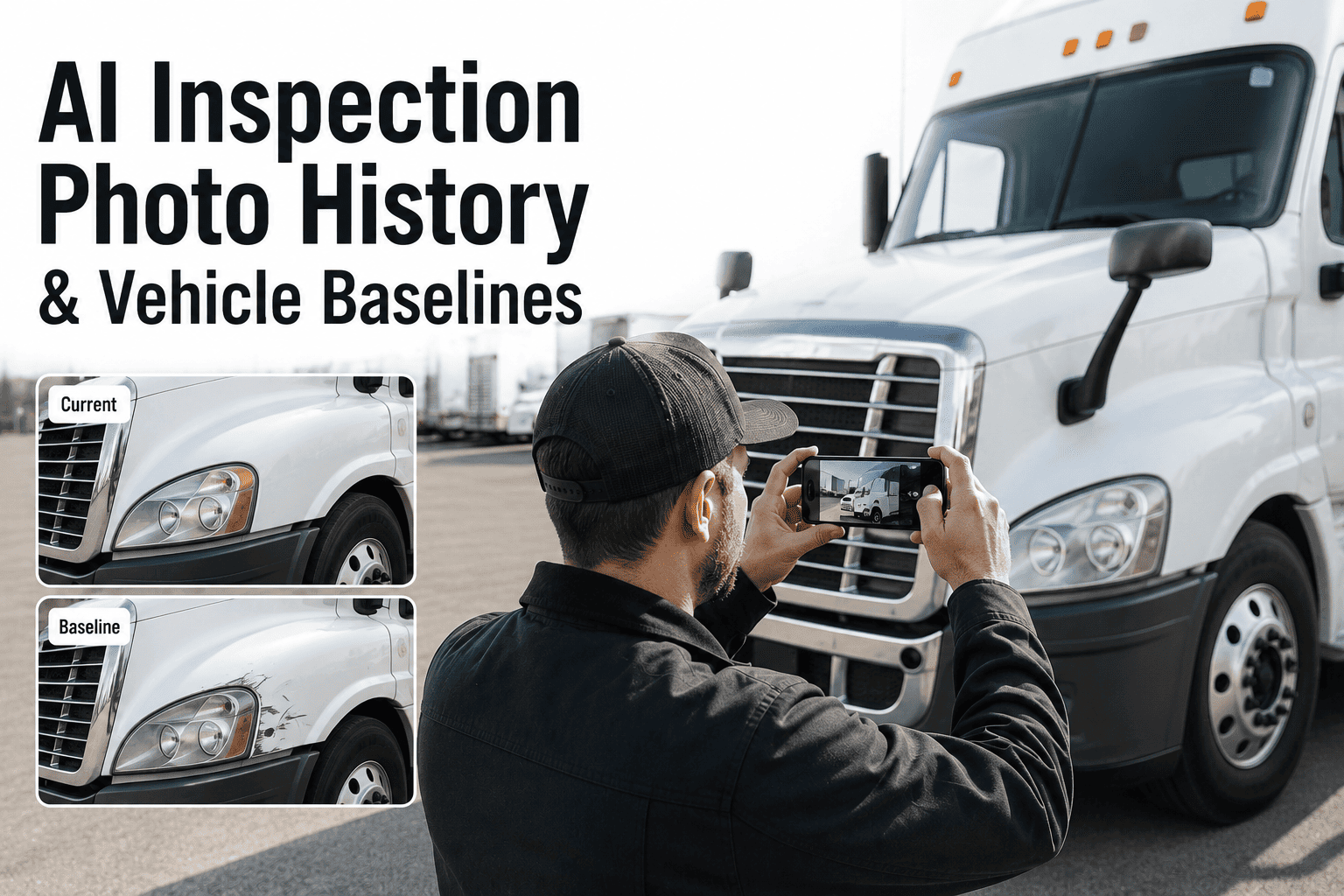
AI inspection photo history and per-vehicle inspection baselines give fleet maintenance teams a defensible visual record of asset condition over time, turning every routine inspection into evidence for warranty claims and damage disputes. Instead of comparing a single photo to a generic standard, the AI vision system compares today's image against a vehicle-specific photo baseline fleet archive — the exact condition of that truck, trailer or forklift when it was last deemed roadworthy. This baseline-driven approach is how AI deterioration detection photo systems catch hairline cracks, fluid seepage and corrosion 30–50% earlier than manual walkarounds, because the algorithm knows what "normal" looks like for each individual asset. OxMaint's AI-powered CMMS builds that photo history fleet inspection archive automatically, linking every image to the asset record, work order and inspection checklist so nothing gets lost in a phone gallery or paper folder. Ready to give your reliability team AI vision that actually knows your fleet? Start Free Trial today.
A fleet-wide photo baseline lets AI vision detect deterioration the day it starts — not weeks later.
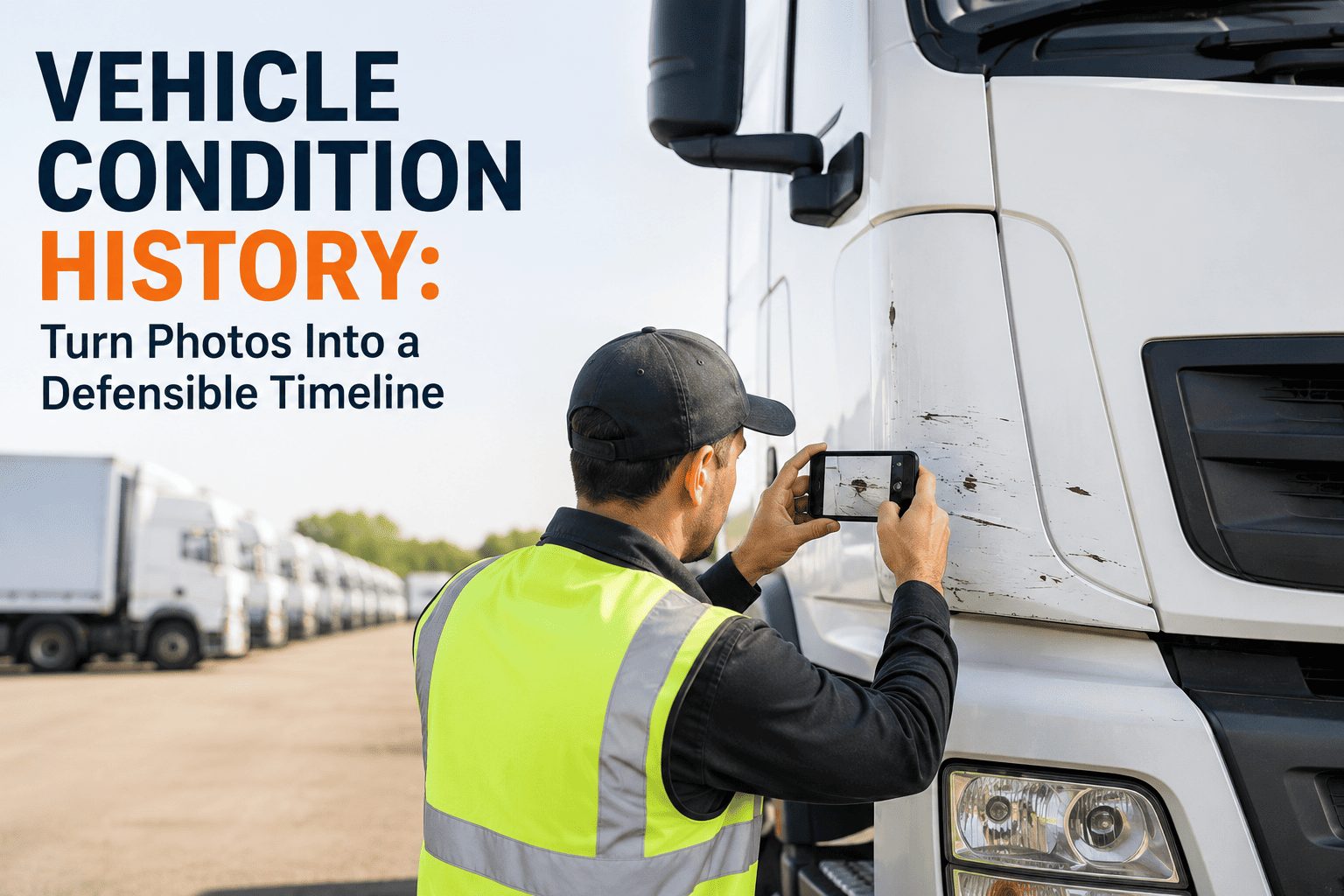
Per-vehicle inspection baselines turn scattered photos into a chronological, timestamped condition record. OxMaint's AI continuously compares new inspection photos against each asset's unique visual baseline, flagging subtle changes that human inspectors miss and building a defensible damage timeline for every truck, trailer and piece of equipment.
Why AI Inspection Baseline Detection Needs a Per-Vehicle Photo History
A generic defect library tells the AI what a crack looks like. A per-vehicle inspection baseline tells the AI what this specific truck looked like yesterday — and that is the difference between spotting a 2mm weld crack on day 3 and discovering a catastrophic suspension failure on day 45.
Baseline Capture
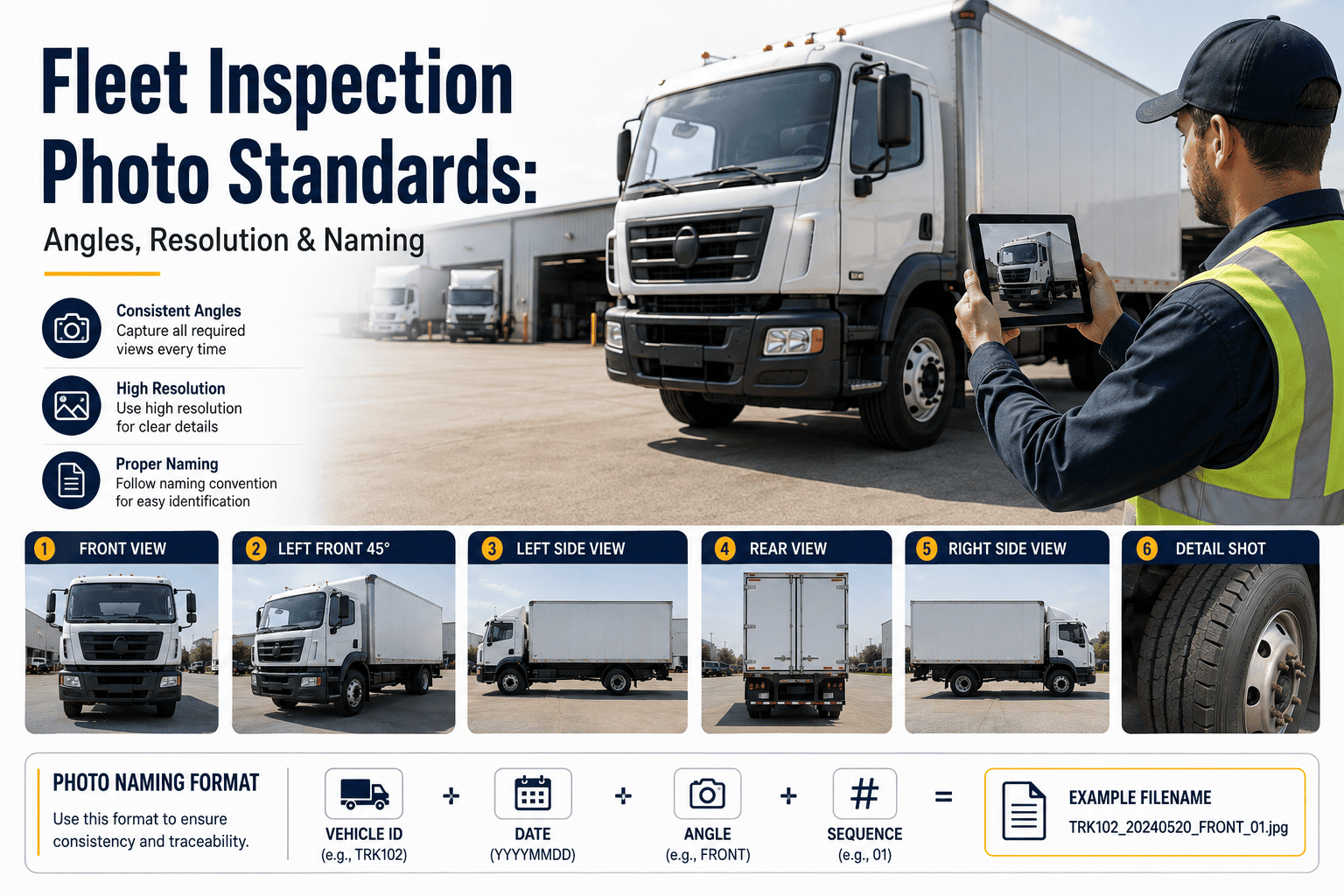
Onboarding inspection photos are captured from 8–12 standardized angles per asset. OxMaint stamps each image with VIN, odometer, inspector ID, GPS coordinates and timestamp, then stores them as the AI photo baseline fleet reference set.
Continuous Comparison
Each new inspection photo is auto-aligned to the baseline angle and pixel-compared. The AI deterioration detection photo engine flags changes exceeding a 3–5% pixel-difference threshold — subtle enough to catch early-stage corrosion before it spreads.
Trend & Predict
Deterioration patterns are plotted over time. A 0.5mm-per-month tire-wear trend or a recurring brake-pad delta triggers a predictive work order inside OxMaint — automatically, before the asset fails its next FMCSA Level I inspection.
Evidence & Audit
The full photo history fleet inspection archive is exportable as a timestamped, chain-of-custody report for warranty claims, lease-return disputes, accident reconstruction and DOT compliance audits.
AI Vehicle Baseline Detection vs. Traditional Photo Inspections
Most fleet inspections still rely on a driver snapping a photo, emailing it to a dispatcher, and hoping someone notices that the fifth-wheel coupling looks different than last week. AI inspection history detection eliminates that gamble.
| Capability | Traditional Photo Inspection | AI Photo Baseline Detection (OxMaint) |
|---|---|---|
| Comparison Reference | Inspector's memory or last known photo in a shared folder | Per-vehicle baseline — exact pixel-level condition from prior inspection |
| Defect Detection Speed | Days to weeks; often missed entirely until failure | Detected at first inspection after change appears (hours, not weeks) |
| Deterioration Trending | Manual spreadsheet tracking; rarely maintained | Auto-plotted trend lines per asset component and inspection angle |
| Damage Dispute Evidence | Inconsistent photos, no timestamps, no chain of custody | Timestamped, GPS-tagged, inspector-verified archive exportable in 1 click |
| Warranty Claim Support | Anecdotal; often denied due to insufficient documentation | Full chronological photo history with metadata accepted by OEMs |
| Inspector Time Per Vehicle | 15–25 minutes with manual photo management | 5–8 minutes — AI handles capture, alignment and comparison |
What a Photo History Fleet Inspection Baseline Actually Delivers
Fleets that implement AI inspection photo history with per-vehicle baselines see measurable improvements in defect detection, inspection throughput and dispute resolution — typically within the first 90 days of deployment.
AI photo baseline comparison catches deterioration an average of 11 days sooner than manual inspection walkthroughs.
Early-stage brake, tire and suspension defects cost 60–70% less to repair than post-failure remediation.
AI auto-alignment and comparison eliminates manual photo sorting, filing and side-by-side review.
Fleets using timestamped photo history archives win 94% of disputed OEM warranty claims vs. 61% without.
OxMaint Turns AI Inspection Photo History Into Actionable Maintenance Intelligence
OxMaint's AI-powered CMMS does not just store photos — it builds the per-vehicle inspection baseline, runs the comparison engine, and auto-generates work orders the moment the AI detects a deviation from baseline. Here is how that maps to concrete outcomes for your reliability team.
Automated Photo Baseline Archive
Every inspection photo is auto-tagged with VIN, timestamp, inspector ID and GPS, then stored as the per-vehicle baseline. No manual filing, no lost images in a driver's phone gallery.
AI Deterioration Detection Photo Engine
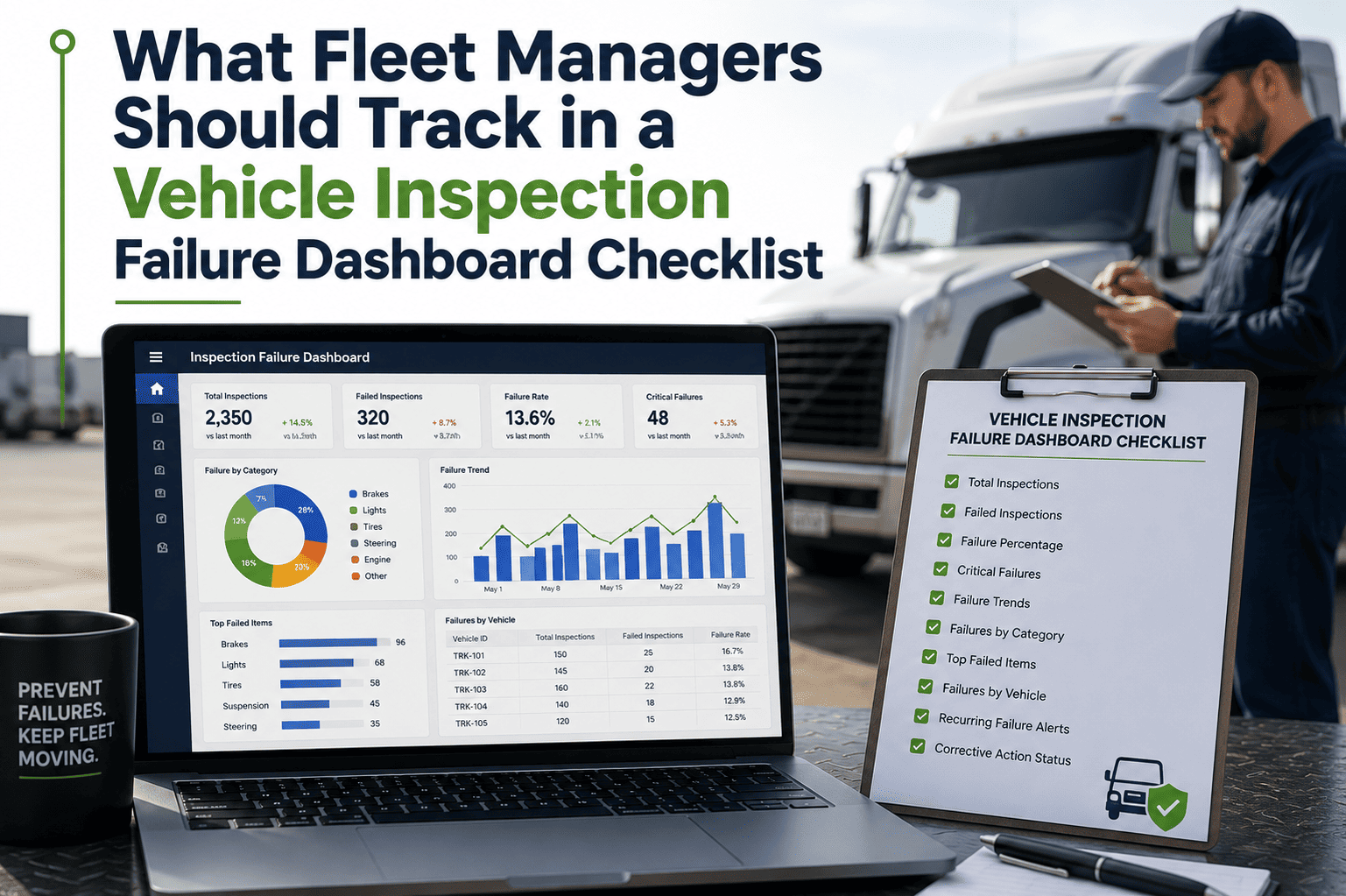
The vision AI auto-aligns new photos to the baseline angle and flags pixel-level changes — cracks, corrosion, fluid trails, tire wear — with a confidence score and deviation percentage.
Damage Timeline Reconstruction
One click generates a chronological photo timeline for any asset — showing exactly when damage first appeared, who inspected it, and whether it was flagged or missed.
Audit-Ready Compliance Export
Full photo history with metadata exports as a PDF or CSV package aligned with FMCSA, DOT and ISO 55000 asset management documentation requirements — ready for any audit or OEM warranty submission.
How a 180-Asset Fleet Cut Downtime Costs by $147K in Year One
A regional logistics fleet operating 180 tractors and 240 trailers was spending roughly $42,000 annually on inspection labor — drivers and mechanics photographing assets, filing reports, and manually comparing photos when a defect was suspected. Despite that effort, the fleet averaged 23 roadside breakdowns per year, each costing $3,200–$6,800 in towing, emergency repair and load-delay penalties.
After implementing OxMaint's AI inspection photo history with per-vehicle baselines, each asset received a 10-angle baseline capture during onboarding. The AI deterioration detection photo engine began comparing every subsequent inspection image against the baseline automatically. In the first 12 months, the AI flagged 89 early-stage defects — hairline fifth-wheel cracks, slow brake-fluid seepage, emerging tire sidewall bulges — that human inspectors had not yet visually registered.
The result: roadside breakdowns dropped from 23 to 7, inspection labor fell to $19,400 (a 54% reduction), and the fleet avoided an estimated $147,000 in downtime, towing and emergency-repair costs. The photo baseline archive also helped the fleet win 12 of 14 disputed warranty claims against two OEMs — recovering an additional $31,500 in parts and labor credits.
See OxMaint's AI Photo Baseline Detection on Your Own Fleet
Book a 30-minute demo and we will show you how per-vehicle inspection baselines and AI deterioration detection work on your actual asset photos — live, in your OxMaint environment.
AI Inspection Photo History & Vehicle Baselines — What Teams Ask
What is an AI inspection photo baseline and why does it matter per vehicle?
A per-vehicle inspection baseline is a set of timestamped, standardized-angle photos captured when an asset is first onboarded or passes a clean inspection. The AI uses this baseline as the reference point for every future inspection photo — comparing pixel-level changes to detect deterioration specific to that vehicle's unique wear patterns. A generic defect library cannot tell you whether a scratch is new; a per-vehicle baseline can.
How does AI deterioration detection photo comparison actually work?
The vision AI auto-aligns each new inspection photo to the corresponding baseline angle, then performs a pixel-difference analysis. Changes exceeding a configurable threshold (typically 3–5%) are flagged with a confidence score, deviation percentage and bounding box around the affected area. OxMaint then auto-generates a work order linked to that asset and inspection record. You can see it in action — book a demo and we will run your own fleet photos through the engine live.
Can the photo history be used as evidence for damage disputes and warranty claims?
Yes. Every photo in the OxMaint archive is stamped with VIN, timestamp, inspector ID, GPS coordinates and inspection checklist ID — creating a chain-of-custody record accepted by OEMs, leasing companies and insurance providers. The full timeline exports as a single PDF package. Fleets using OxMaint report a 94% warranty claim success rate vs. 61% without timestamped photo documentation.
How long does it take to build a photo baseline for an existing fleet?
Most fleets complete baseline capture during their next scheduled inspection cycle. A single inspector can capture 8–12 standardized-angle photos per vehicle in 5–8 minutes using the OxMaint mobile app. A 180-asset fleet typically completes full baseline onboarding in 2–3 weeks without adding labor hours — the photos are captured during inspections that were already happening.
Does OxMaint integrate the photo baseline with work orders and preventive maintenance?
Absolutely. When the AI detects a deviation from baseline, it does not just flag it — it auto-creates a work order in OxMaint's CMMS, assigns it to the correct asset and component, and links the comparison photos directly inside the work order. Maintenance teams can then prioritize, schedule and track the repair without leaving the platform. Start Free Trial to see the full workflow.
Give Your AI Vision a Baseline It Can Trust
Stop relying on memory and scattered phone photos. Build a per-vehicle inspection baseline that lets AI catch deterioration the day it starts — and turns every inspection into defensible evidence.
Free 14-day trial · No credit card