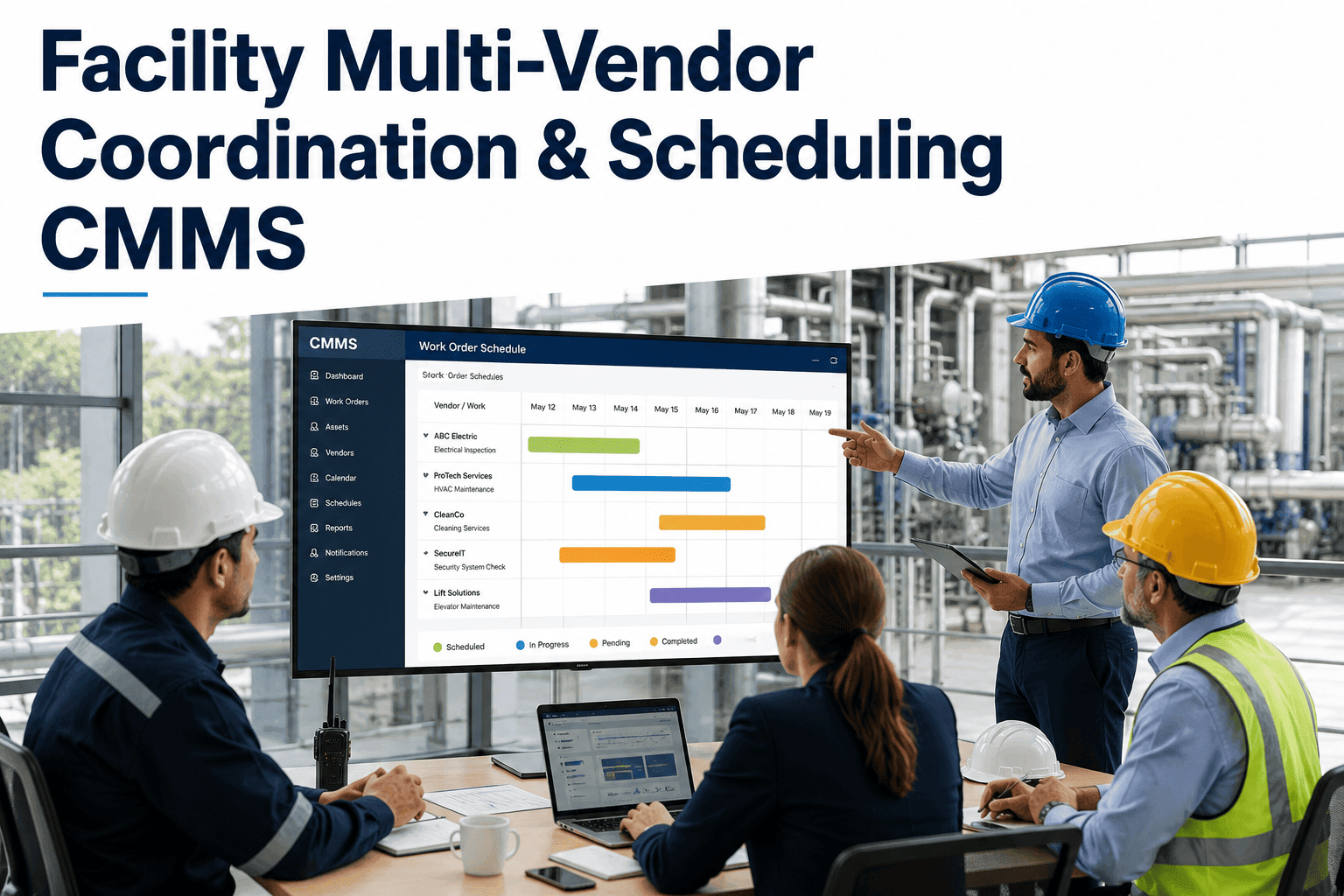
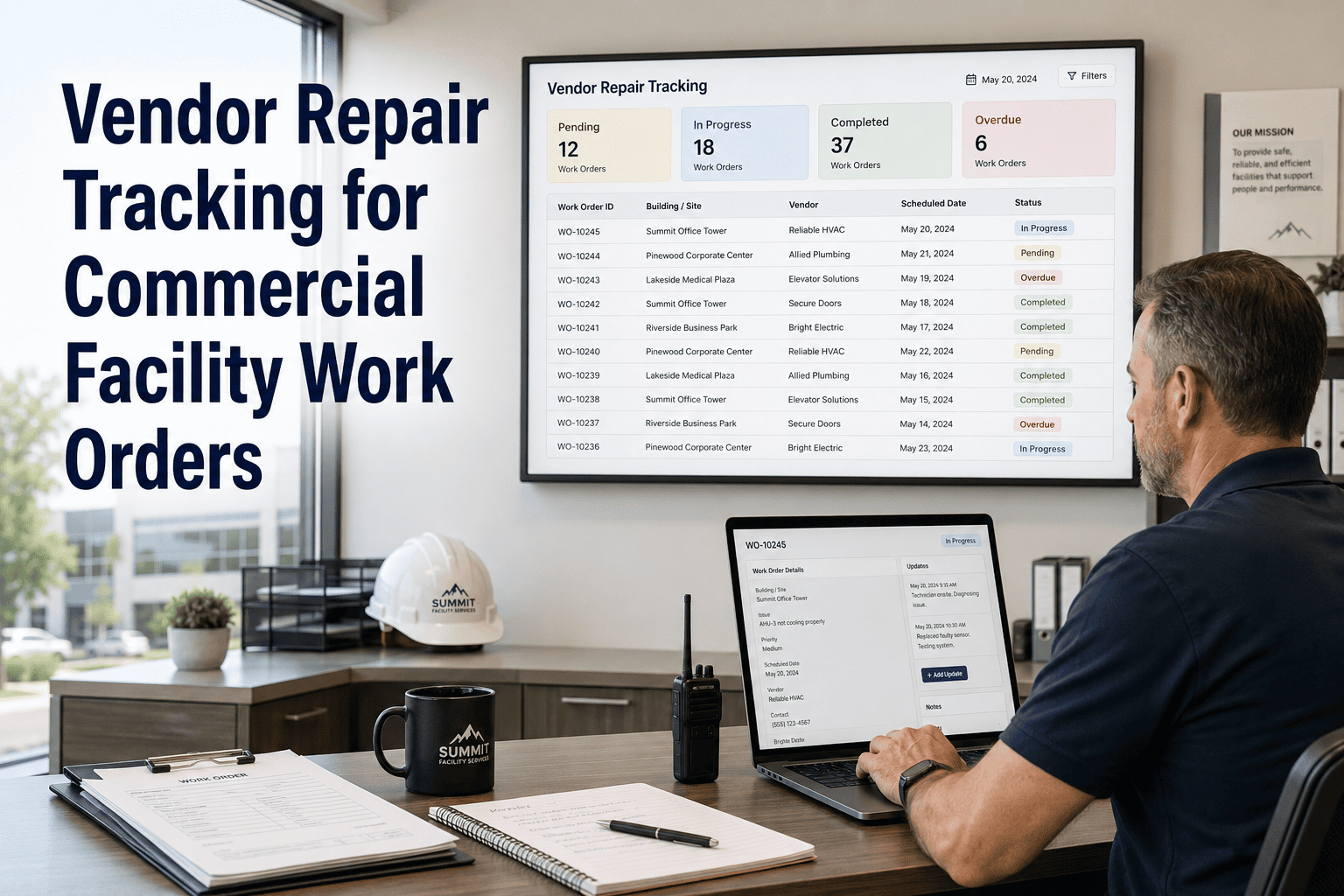
A facility outage planned in a spreadsheet is not really planned — it is a list of intentions with no coordination layer connecting asset shutdown sequences, technician assignments, vendor arrivals, safety permit approvals, and communication records. When the actual outage window opens, work that was supposed to take 6 hours stretches to 14 because the replacement part was not reserved, the permit was not signed, and the downstream tenants were not notified of extended downtime. Oxmaint's facility maintenance outage planning software structures every planned outage from the asset shutdown task list through vendor coordination, safety step sign-off, and completion verification — with a full communication log attached to every outage event. For facility teams that lose 30 to 50 percent of planned outage windows to coordination failures, book a demo and see an outage plan built inside Oxmaint in under 20 minutes.
Operations Planning
Planning and Scheduling
Facility Maintenance Outage Planning Software
Asset shutdown tasks, technician assignments, vendor coordination, safety steps, approvals, and stakeholder communications — structured in one outage plan, executed without coordination failures.
42%
of planned outage windows overrun due to coordination failures
3.2x
more tenant and stakeholder complaints during uncoordinated outages
$18K
average cost per hour of unplanned outage extension in commercial facilities
67%
reduction in outage duration when planned using structured digital workflows
Why Outages Overrun
Four Coordination Failures That Turn 6-Hour Outages Into 14-Hour Events
01
No pre-outage asset isolation sequence
Shutdown order matters. Starting a chiller replacement before isolating upstream valves creates rework, safety risk, and delays of 2 to 4 hours on a task that should take 20 minutes.
02
Vendor arrival without site coordination
Contractors arrive before the asset is isolated, after the permit window closes, or without access to the plant room. Each scenario adds hours to the actual work window.
03
Safety permits not pre-approved
Hot work, confined space, and lockout/tagout permits that require management approval cannot be obtained the morning of the outage. Approval delays hold every downstream task.
04
No stakeholder communication record
Tenants, building management, and operations teams receive verbal notices that are not documented. When disputes arise about notification, there is no record to reference.
Outage Planning Structure
What a Complete Oxmaint Outage Plan Contains
Pre-Outage Tasks
Asset isolation and shutdown sequence
Safety permit pre-approval chain
Spare parts reservation from storeroom
Vendor confirmation and access booking
Stakeholder notification with logged send confirmation
During-Outage Tasks
Step-by-step work task assignment per technician
Safety checkpoint sign-offs at each milestone
Real-time progress updates to facility manager
Parts and materials consumed logging
Deviation log for scope changes or delays
Post-Outage Tasks
System restart and commissioning verification
Functional test sign-off with recorded result
Stakeholder completion notification
Work record closure with parts and labour logged
Post-outage debrief and performance report
Outage Type Coverage
Facility Outages Oxmaint Plans and Manages
| Outage Type |
Typical Duration |
Key Planning Requirement |
Most Common Coordination Failure |
| HVAC major maintenance |
4–12 hours |
Chiller isolation, contractor specialist, tenant notice |
Contractor delay vs isolation window |
| Electrical switchgear outage |
6–24 hours |
Full building power coordination, safety permits |
Permit approval not pre-obtained |
| Elevator major service |
2–8 hours |
Alternative access provision, occupant communication |
Occupants not notified in advance |
| Fire system maintenance |
2–6 hours |
Fire watch provision, authority notification |
Fire watch not booked in advance |
| Water system shutdown |
4–10 hours |
Tenant disruption plan, alternative water provision |
Tenant notification not documented |
Build your next outage plan in Oxmaint — in under 20 minutes
Asset isolation sequence, vendor coordination, safety permits, stakeholder comms, and restart verification — structured in one plan, executed without coordination gaps.
Expert Review
What Facility Operations Teams Say
"Our annual cooling tower outage used to take 3 days because the isolation sequence was never written down, contractors would arrive before the work area was ready, and the permits were being approved on the day of the outage. With Oxmaint's outage planning, we ran the same scope in 18 hours last year — pre-approved permits, confirmed vendor arrival after isolation complete, and tenants notified 5 days in advance with a documented communication log."
OM
Operations Manager
Grade A Office Tower, Singapore
"The communication log feature changed how we manage tenant relationships during outages. Every notification — email, call, in-person — is timestamped and attached to the outage record. When a tenant claimed they were not informed about a 6-hour power outage, we pulled the Oxmaint communication record and showed the notification was sent 72 hours in advance and acknowledged. That record ended a potential dispute in 10 minutes."
PM
Property Manager
Mixed-Use Development, UAE
FAQ
Frequently Asked Questions
Can Oxmaint plan outages that involve multiple contractors working in parallel?
Oxmaint outage planning supports parallel work streams within a single outage event — each contractor or technician team has their own task list, safety checkpoint sequence, and progress reporting, all visible to the outage coordinator in real time. Dependencies between tasks are set so downstream work cannot begin until upstream isolation or permit steps are confirmed complete. This prevents the scenario where a contractor begins work on an asset that has not yet been properly isolated, which is the most common cause of outage scope extension and safety incidents.
How does Oxmaint handle safety permit management during a planned outage?
Safety permits — hot work, confined space entry, lockout/tagout, electrical isolation — are created as pre-approval tasks within the outage plan in Oxmaint. The permit request is routed to the required approving authority before the outage window opens, with a digital sign-off captured in the platform. On the day of the outage, the technician can confirm the permit is active before beginning work, and the permit closure sign-off is logged when work is complete.
Book a demo to see permit workflow configuration for your facility type.
Is there a template library for common facility outage types?
Oxmaint includes pre-built outage plan templates for the most common facility maintenance outage types — HVAC major service, electrical switchgear, elevator service, fire system maintenance, and water system shutdown — each pre-populated with the standard task sequence, safety checkpoint list, and stakeholder communication steps for that outage type. Templates are fully editable to match your specific building configuration, contractor mix, and safety management requirements, and reusable across future outage events for the same asset class.
Your next outage — planned, coordinated, and completed on time
Oxmaint structures every facility outage from asset isolation to restart sign-off — with vendors coordinated, permits pre-approved, and stakeholders notified before the window opens.