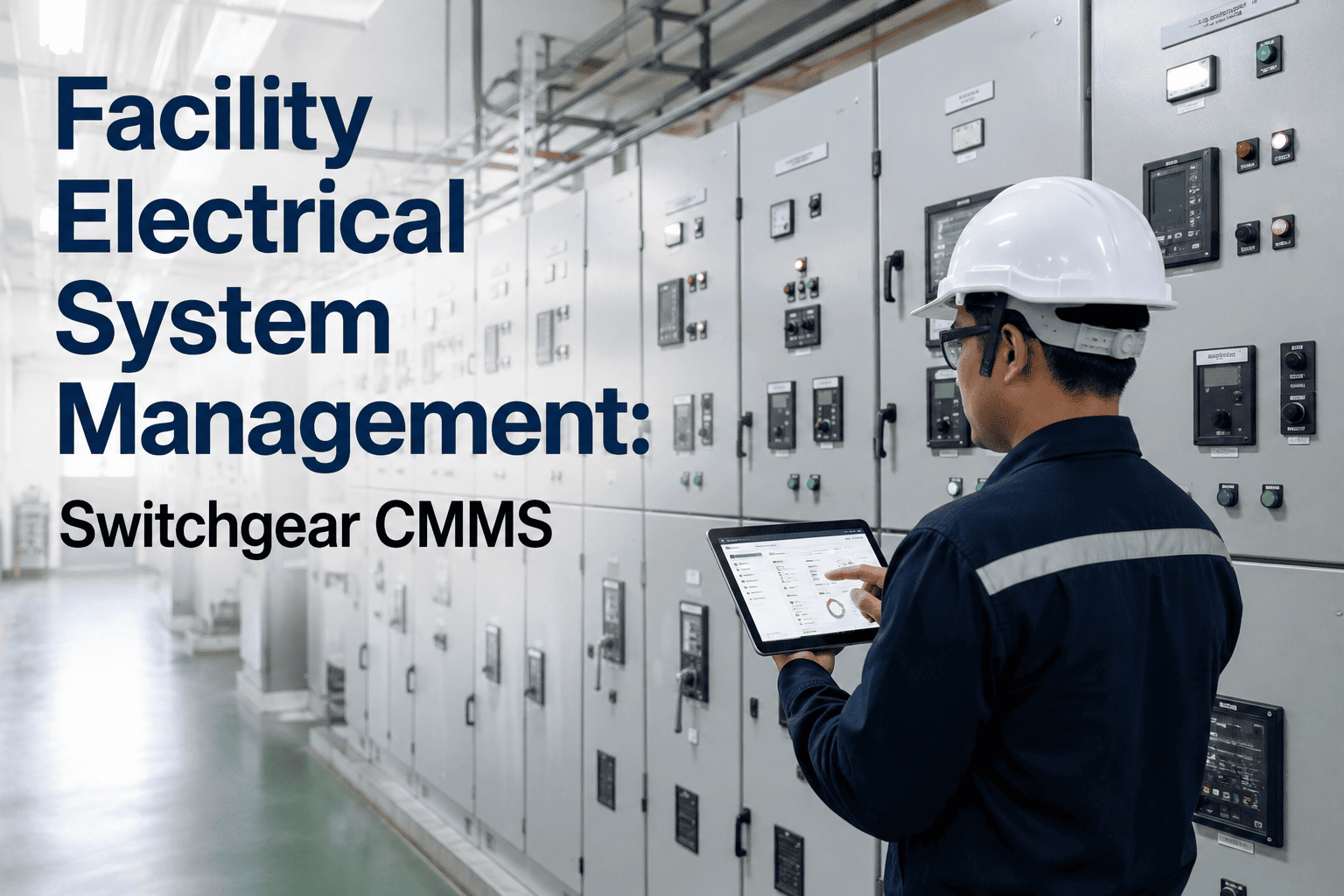
Most electrical failures in commercial buildings don't start as a sudden explosion — they start as a loose lug quietly heating up inside a panel for weeks before anyone notices. By the time a breaker trips or a transformer hums louder than usual, the underlying connection has often been degrading since the last time someone opened that cabinet. Facility teams that treat switchgear, transformers, and distribution panels as "set and forget" assets are the ones who end up with arc flash investigations, voided equipment warranties, and six-figure emergency repair bills. The equipment itself rarely fails without warning — the warning just never made it into a work order. This guide walks through how facility teams inspect, test, and document electrical systems on a defensible schedule, and how that schedule runs cleanly inside OxMaint instead of a logbook in a drawer.
Facility Management / Electrical Systems
Your Switchgear Is Trying to Warn You Before It Fails
A practical framework for inspecting switchgear, transformers, and panels, reading thermal scans correctly, and keeping arc flash documentation ready for the day someone actually asks for it.
12 mo
Maximum interval between infrared scans under NFPA 70B
71%
Average drop in electrical downtime with a documented program
80%
Of unplanned electrical outages trace back to preventable causes
2
Documentation failures behind most failed compliance audits
Where Risk Lives
Four Systems Under Constant Electrical Stress
Electrical failures cluster around a small set of equipment types. Each one degrades differently, which is why a single generic "electrical inspection" checklist misses the failure modes that actually matter for each asset.
Switchgear
Loose bus connections and worn contacts generate heat long before a visible fault appears, making thermal scanning the single most reliable early warning tool available.
Annual thermal scan minimum · Monthly visual check
Transformers
Oil-filled transformers reveal internal breakdown through dissolved gas long before insulation actually fails, which is why oil sampling catches problems thermal imaging alone cannot.
Annual oil analysis · Annual thermal survey
Distribution Panels
Panels carry the highest connection count of any electrical asset, and every additional connection is another point where a lug can loosen under thermal cycling.
Quarterly visual and thermal spot check
Motor Control Centers
Vibration from connected motors loosens terminal connections over time, and an MCC running hot often signals a downstream motor problem, not just an electrical one.
Quarterly inspection · Annual load verification
Pre-Built Electrical Templates
Every inspection type, already built and scheduled
OxMaint ships switchgear checklists, transformer oil sampling workflows, and thermography record forms aligned to NFPA 70E and NETA standards — ready on day one.
Inspection Cadence
What Gets Checked, and How Often
A defensible electrical program layers four inspection intervals on top of each other. Miss one layer and the next hot connection has a much longer window to turn into an outage.
Monthly
Visual walkthrough of panels and switchgear — unusual odor, discoloration, noise, or visible damage logged immediately as a finding.
Quarterly
Panel and MCC thermal spot checks through IR viewing windows, with no need to open an energized cabinet to take a reading.
Annual
Full thermographic survey of switchgear and transformers, transformer oil sampling, and breaker testing per NETA guidelines.
Every 3–5 Years
Arc flash risk assessment refresh — required whenever equipment, loads, or utility configuration changes materially.
Thermal Scan Reading
What a Delta-T Reading Actually Means
A thermal image is only useful once the temperature difference against a healthy reference point — the delta-T — is classified by severity. This is the scale that decides whether a finding waits for next quarter or gets a technician dispatched today.
AdvisoryUnder 10°C
Serious10–20°C
Critical20–40°C
CatastrophicOver 40°C
A 25°C delta-T on a panel with a high incident-energy rating is a same-week priority — a lower-rated panel at the same delta-T can often wait for scheduled repair. Severity and consequence are scored together, not separately.
Thermal Records, Linked Automatically
Every hot spot becomes a tracked work order
OxMaint captures the thermal image, delta-T, severity rating, and corrective action in one linked record — the exact audit trail insurers and inspectors ask for.
Compliance Reality
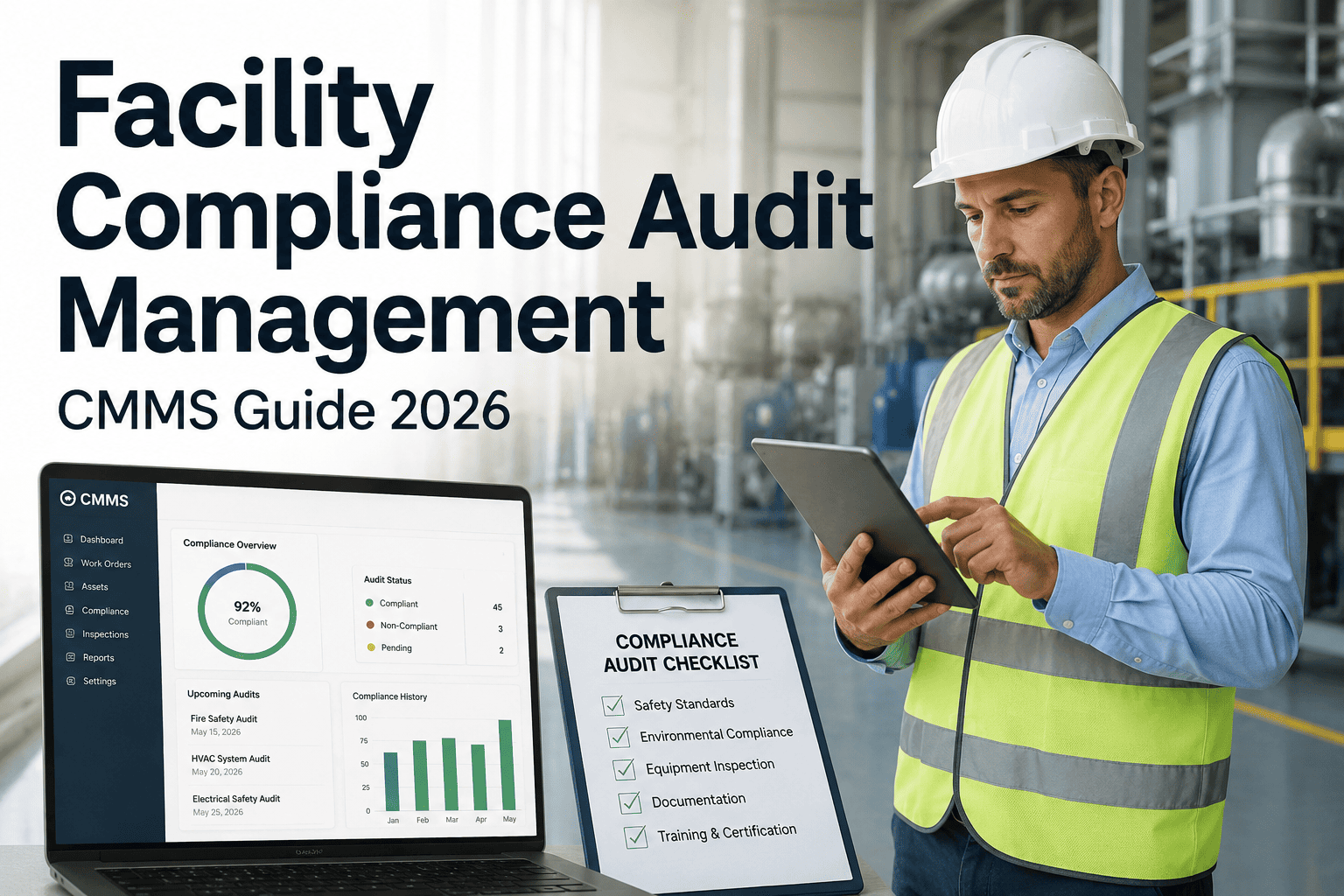
The Two Failures That Sink Most Electrical Audits
Equipment rarely fails an inspection outright. What fails is the paperwork behind it — and these two gaps show up in almost every failed audit.
The Lost Arc Flash Study
Labels are on the equipment, but the underlying incident-energy study is years old, sitting in a contractor's archive nobody can locate, and has never been reviewed against current loads.
The Paper Logbook
Monthly inspections are actually happening, but the results live in a notebook in a drawer — unproducible the moment an insurer or OSHA inspector asks for the last twelve months of records.
Program Outcomes
What a Structured Electrical Program Delivers
71%
Less electrical downtime
With a documented, NETA-aligned inspection and testing schedule in place.
Level 1–2
Lower PPE category
When IR viewing windows remove the need to open energized panels for scanning.
Survey-Ready
Compliance records
Every scan, test, and corrective action stored against the asset, retrievable in minutes.
50%+
Lower emergency repair spend
Within two years of moving from reactive to scheduled electrical maintenance.
FAQ
Frequently Asked Questions
How often does NFPA 70B require thermal scanning?
Infrared scanning is required at intervals no longer than 12 months for equipment within scope, with more frequent scans for mission-critical or previously flagged gear.
OxMaint auto-schedules these by asset criticality.
Do IR viewing windows really lower required PPE?
Yes. Scanning through a permanently installed window avoids opening an energized panel, which is recognized under NFPA 70E as an engineering control that typically drops the PPE category significantly.
What happens if a hot spot is found but not corrected?
An identified and uncorrected hot spot is treated as strong evidence of negligence in liability claims, which is why linking the finding to a tracked, dated work order matters.
Book a demo to see this workflow.
How does OxMaint help with arc flash documentation?
Arc flash assessments, thermal scans, breaker tests, and generator logs are stored per asset in one retrievable record, so nothing depends on a contractor's archive or a paper file.
Start a free trial to see it set up.
Is annual thermography enough on its own?
No — thermography detects heat-related issues but misses problems like insulation degradation that don't produce a heat signature, so it works alongside oil analysis and breaker testing, not in place of them.
Ready to Get Ahead of the Next Hot Spot?
Build a defensible electrical maintenance record, starting today
Set up your switchgear, transformer, and panel schedules in OxMaint once, and every scan, test, and finding is tracked automatically from that point forward.