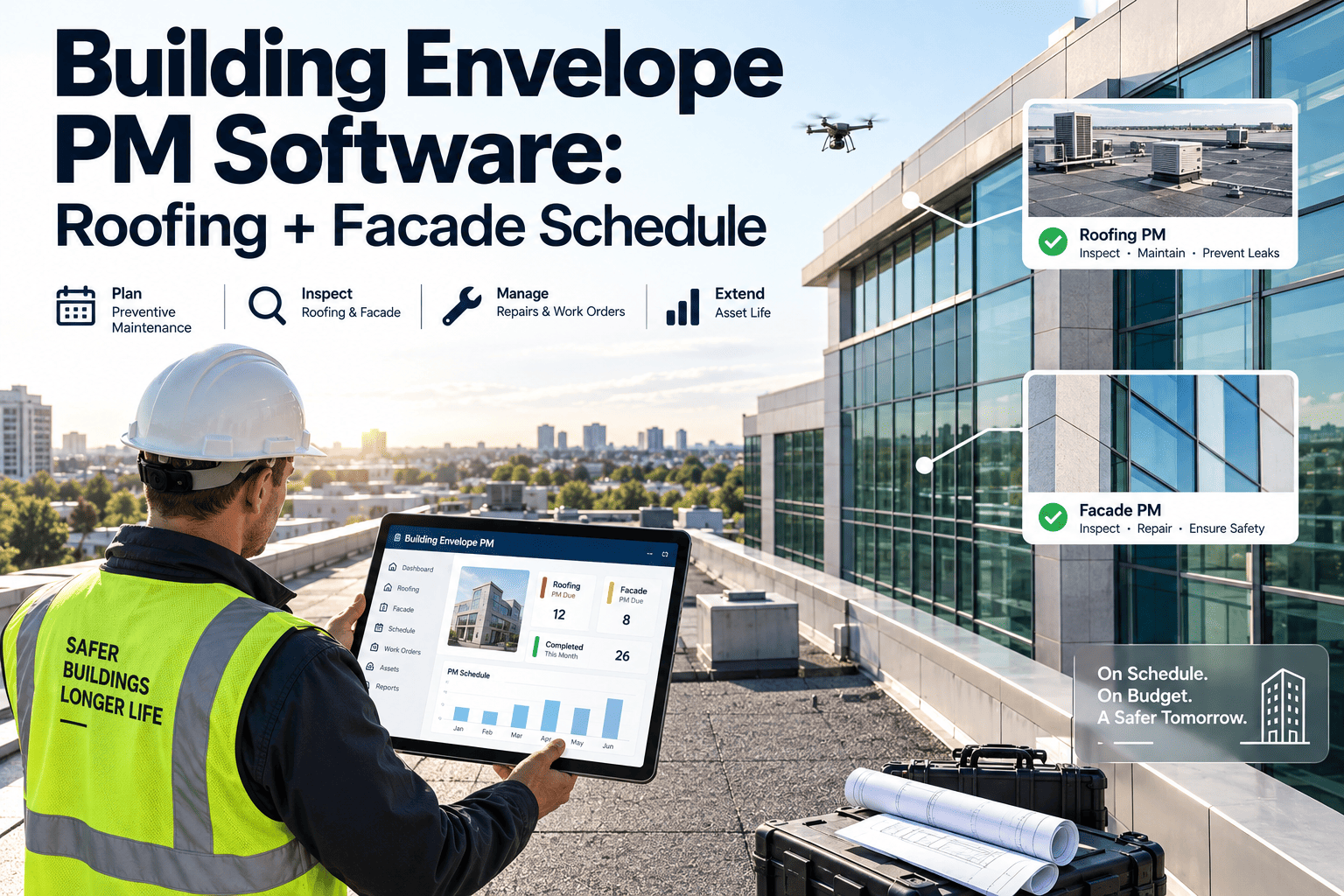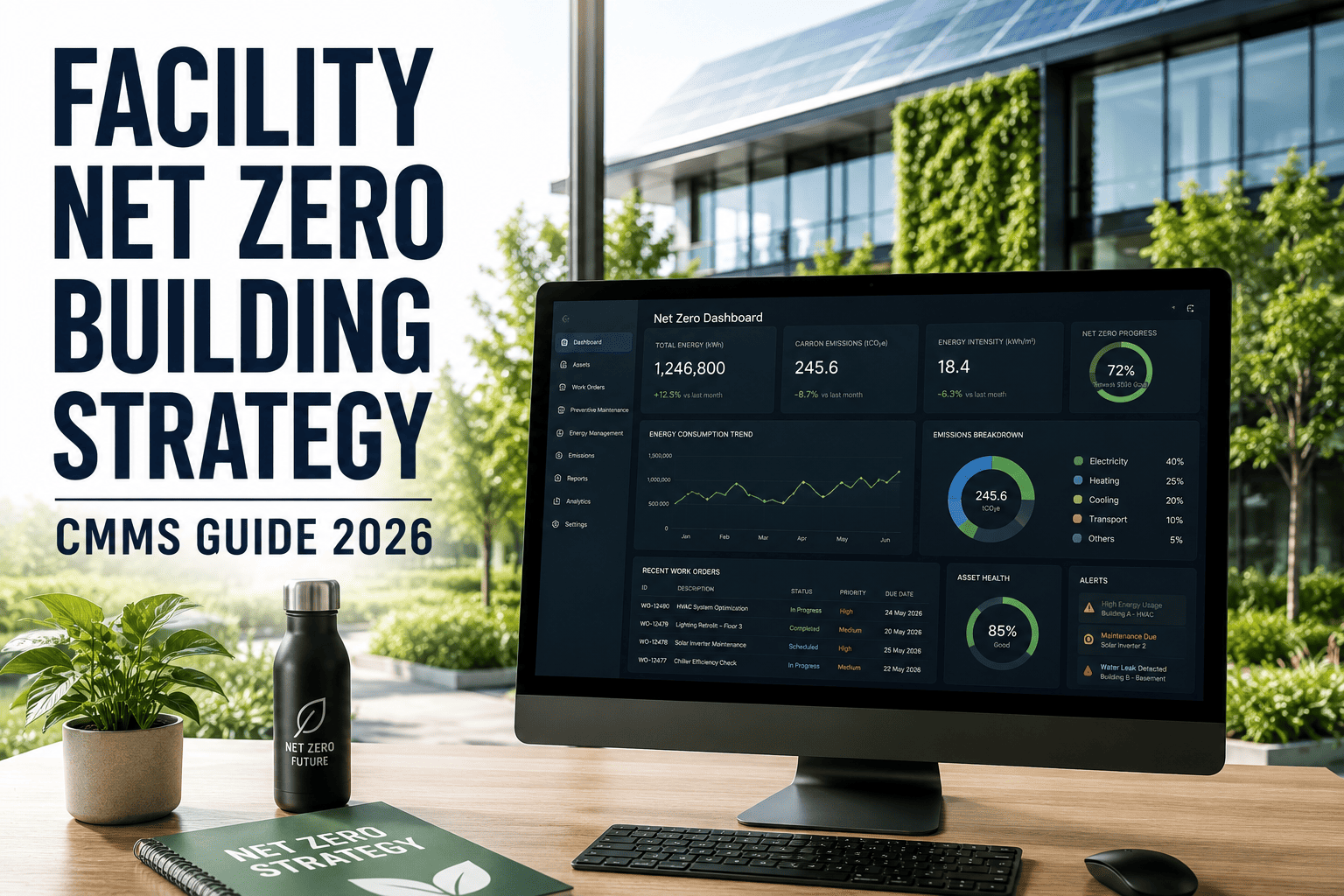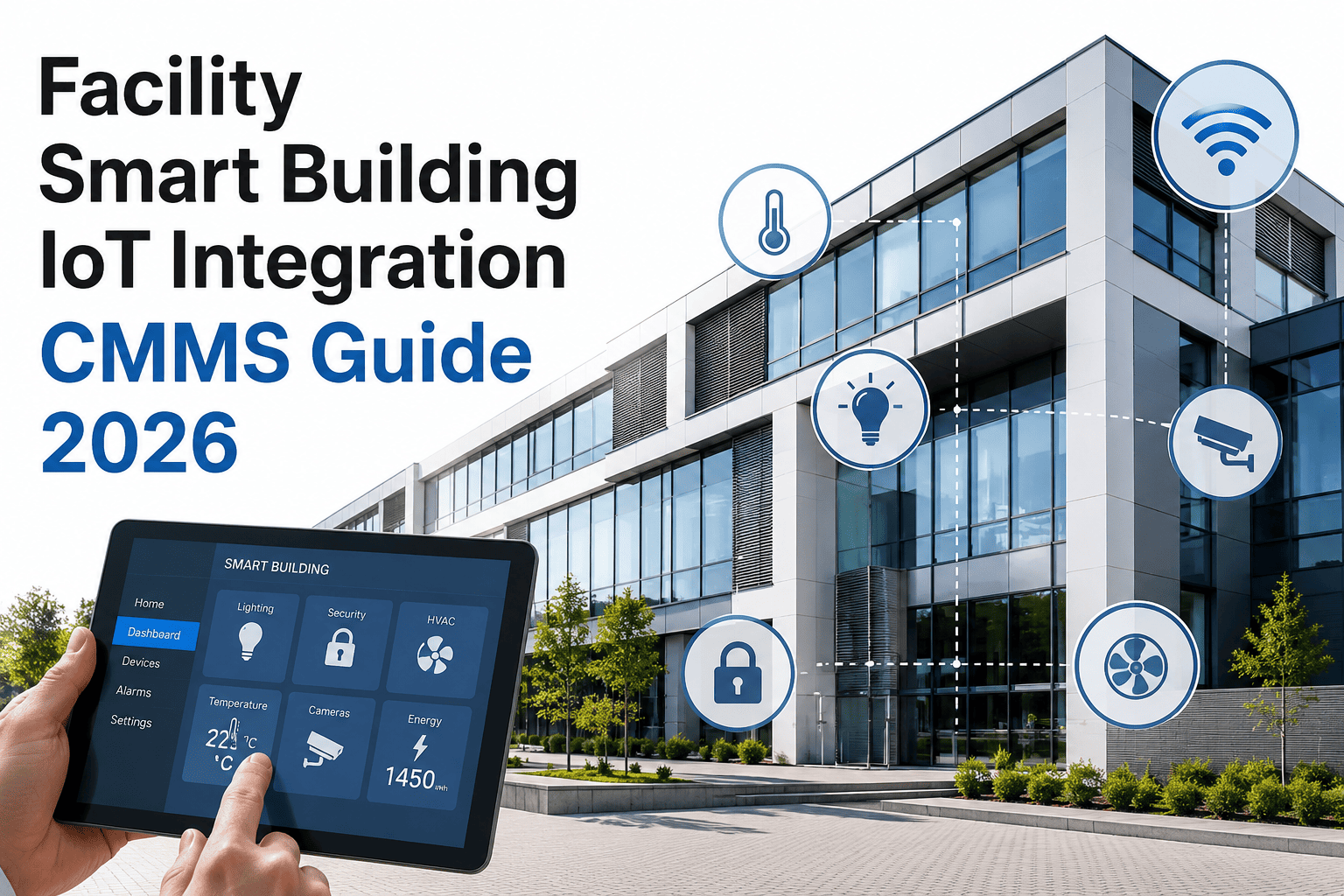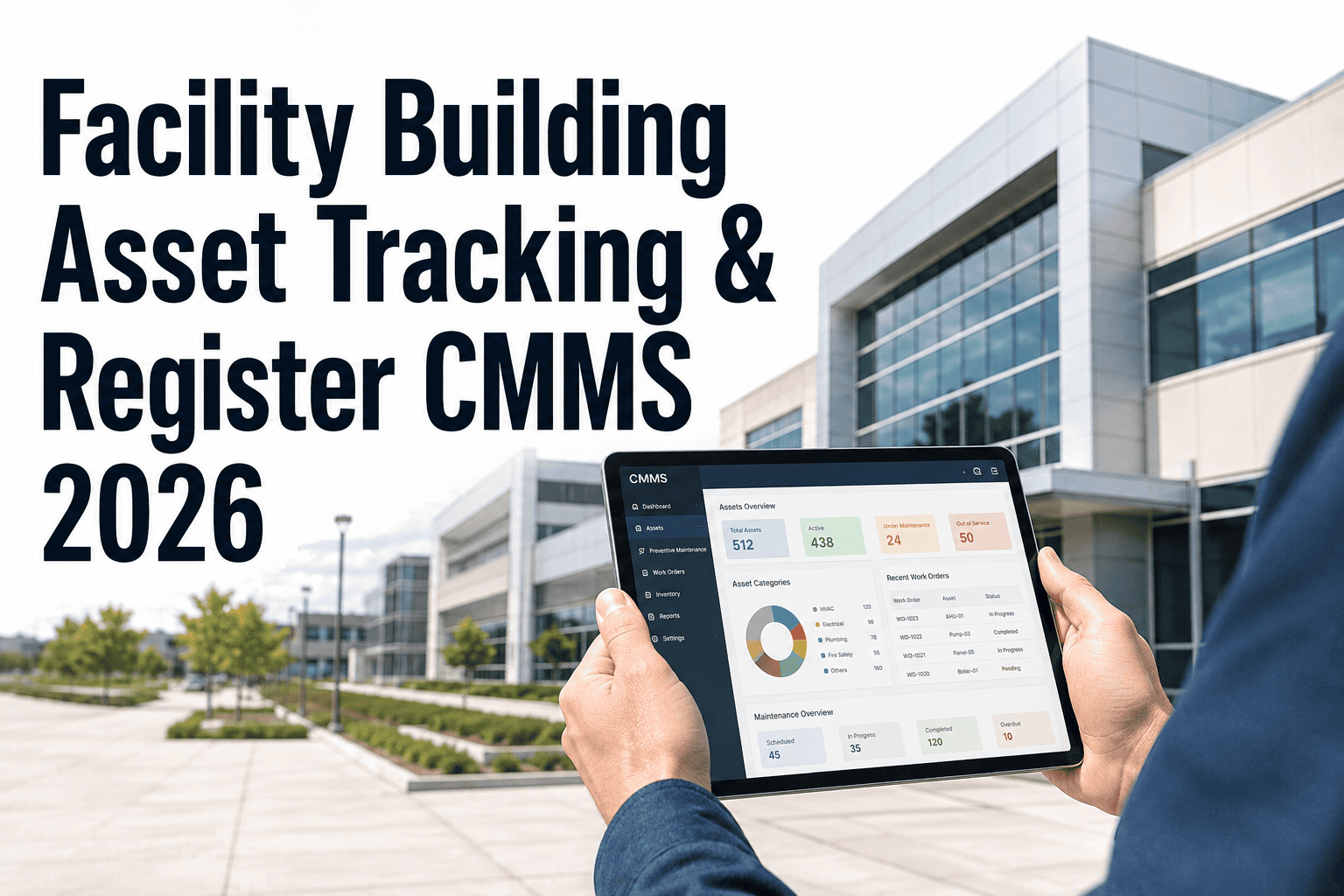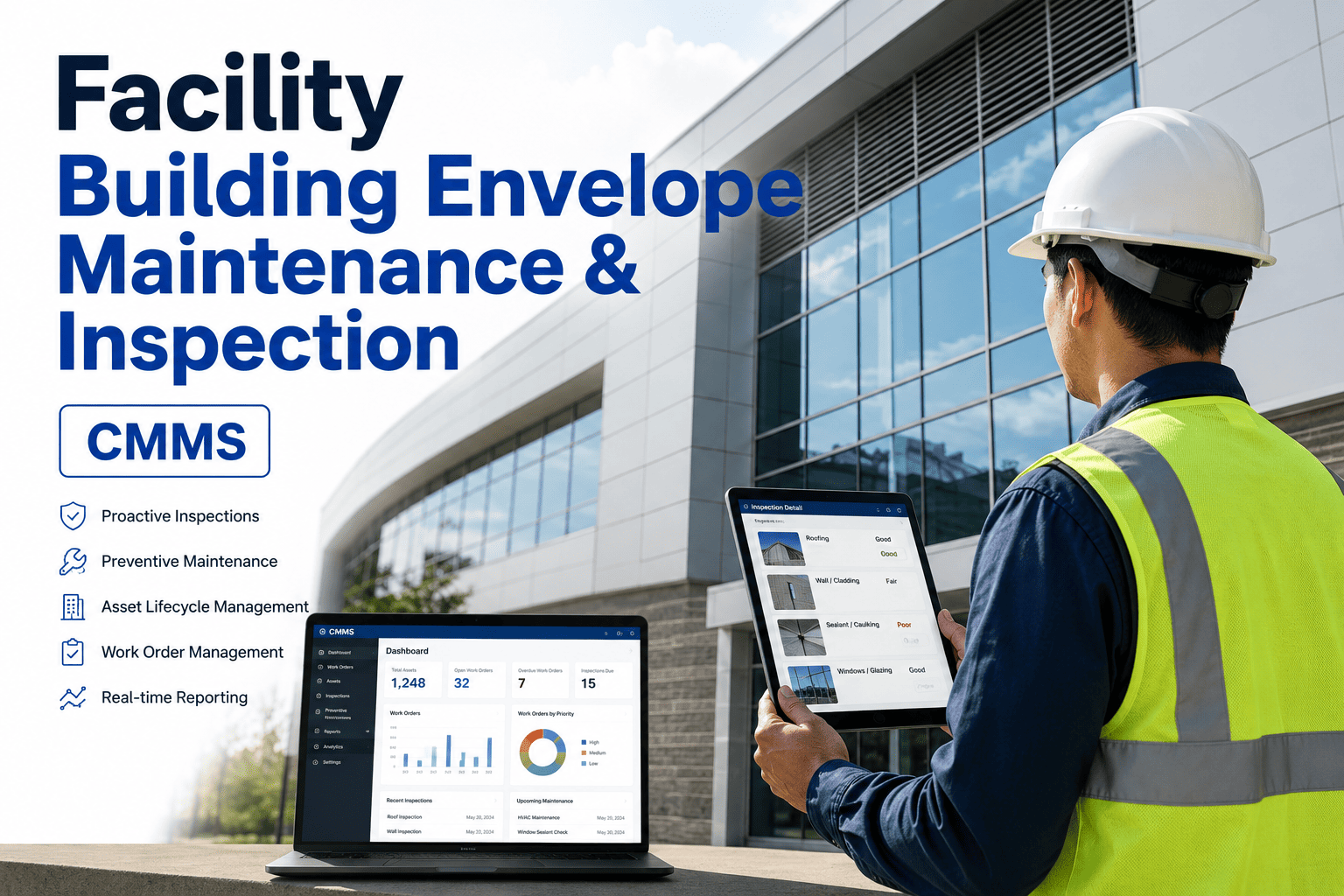
A mid-rise office portfolio spent three years treating a hairline crack in its precast panels as a cosmetic issue nobody needed to log. By the time facilities staff called in a structural engineer, water had migrated behind the cladding, corroded the embedded anchors, and turned what should have been a $2,000 sealant repair into a $150,000 emergency remediation with scaffolding, tenant disruption, and a six-month timeline. Nothing about that failure was sudden — it built quietly for three years while nobody scheduled a follow-up inspection or tracked the defect against the building record. Most building envelope failures start exactly this way: as a signal that never got captured. Turning that signal into a scheduled work order instead of a six-figure surprise is what a structured inspection program run through OxMaint's facility CMMS is built to do.
Building Envelope Maintenance · Facility CMMS · OxMaint
Every Crack Tells A Story. Most Facility Teams Never Read Past The First Chapter.
Facades, window seals, roofing membranes, and below-grade waterproofing deteriorate silently for years before a failure becomes visible. OxMaint turns visual inspections into structured defect records, scheduled follow-ups, and one asset history per building — before a minor defect quietly becomes an unsafe one.
5 yrs
Typical mandatory inspection cycle for taller buildings under periodic facade safety programs, with unresolved minor defects required to close before the next cycle opens
3 yrs
Maximum interval recommended by widely referenced good-practice standards for full structure and fabric inspection — tighter than most facility teams currently schedule
75x
Typical cost multiple between an early sealant repair and the remediation bill once moisture reaches structural anchors behind the cladding
30-50%
Budget overrun facility teams commonly absorb when facade defects surface as a surprise during restoration instead of being tracked from first sighting
A minor defect classification is a countdown, not a category.
Most facade safety programs classify a defect as safe, minor-but-monitored, or unsafe. A minor defect left unrepaired past the next inspection window typically defaults to unsafe automatically — no new damage required, just time passing without a documented repair. Facility teams that track defects on a spreadsheet or a clipboard routinely lose sight of that clock across dozens of open items. OxMaint attaches every logged defect to a due date and a building record, so a minor finding never quietly ages into an emergency one.
The Five Systems That Make Up Your Building Envelope
Facade & Cladding
Masonry, precast, EIFS, metal panels, and curtain wall. Hairline cracks and staining are the earliest visible signs of moisture working behind the surface.
Window & Glazing Seals
Sealant joints and gaskets around every window and curtain wall panel. These fail first and are the cheapest defect to close before water tracks further in.
Roofing Membrane
The horizontal envelope. Ponding, blistering, and flashing separation at parapets and penetrations account for a large share of interior water damage claims.
Flashing & Transitions
Every joint where one material meets another — roof to wall, window to cladding. Most envelope failures start at a transition, not a flat surface.
Below-Grade Waterproofing
Foundation walls, slab edges, and below-grade membranes. Failures here are the hardest to inspect and the most expensive to reach once they show up as a basement leak.
OxMaint · Envelope Inspection Program
A Facade Doesn't Fail On Inspection Day. It Fails On Every Day Nobody Was Watching.
Build a recurring inspection cycle, log every defect against the asset, and let the system track the repair deadline for you.
How One Hairline Crack Becomes A Six-Figure Remediation
1
Month 0 — Hairline Crack Noted Informally
A technician or tenant mentions a small crack during a walkthrough. No work order is created, so there is nothing to track and nothing to close.
2
Month 6 — Sealant Begins To Fail
The joint opens further under thermal cycling. A $2,000 resealing job would close this permanently, but there is no defect record prompting anyone to schedule it.
3
Year 2 — Moisture Reaches The Substrate
Water tracks behind the cladding. Interior staining or a musty odor finally prompts a work order — but the defect is now behind the wall, not on the surface.
4
Year 3 — Anchor Corrosion Confirmed
A structural engineer traces the moisture path to a corroded embedded anchor. The scope has moved from sealant to structural repair.
5
Year 3+ — Emergency Remediation
Scaffolding, panel removal, anchor replacement, and possible tenant relocation turn a $2,000 fix into a $150,000 project with a multi-month timeline.
Reactive Envelope Maintenance vs. A CMMS-Driven Program
Program Element
Reactive, Clipboard-Based
With OxMaint
Defect logging
Verbal mentions, loose notes, no owner assigned
Photo-tagged defect record on the asset
Inspection cadence
Triggered by complaints or visible damage
Scheduled annual and periodic cycles
Escalation tracking
No deadline attached to minor findings
Due date tied to next inspection window
Compliance filing
Assembled manually across years of paper
One exportable building history
Budget predictability
Surprise remediation costs at survey time
Defect-driven capital planning
Six Practices For An Audit-Ready Envelope Program
01
Log Every Defect At First Sighting
A crack mentioned once in a walkthrough and never logged is a crack that will not be revisited. Every finding becomes a dated record on the building asset.
02
Split Annual Checks From Deep Assessments
Trained staff handle recurring visual inspections with a structured checklist. Qualified consultants perform probe testing, water testing, and thermographic surveys on the longer cycle.
03
Prioritise Transitions And Interfaces
Flashing points and material transitions are where most envelope failures begin. Inspection checklists should weight these zones over flat, uniform surfaces.
04
Attach A Deadline To Every Minor Finding
A defect classified as safe-but-monitored needs a repair date, not just a note. Without a deadline, minor findings default to unresolved and then to unsafe.
05
Keep One History Per Building, Not Per Vendor
When facade, roofing, and waterproofing contractors each keep their own files, nobody has the full picture. One consolidated asset record settles that.
06
Bundle Envelope Work With Energy Upgrades
Window and roof work scheduled alongside insulation or glazing upgrades shares scaffolding and downtime costs instead of paying for access twice.
1 record
Per building, linking every defect, inspection, and repair across every system in the envelope
0 surprise
Minor findings tracked to a deadline instead of ageing quietly into an unsafe classification
Minutes
To pull a full envelope history when a survey, insurer, or inspector asks for one
Frequently Asked Questions
How often should a commercial building envelope be inspected?
Trained staff can run annual visual checks with a structured checklist. Full structural assessments are commonly recommended at intervals of three to five years depending on jurisdiction and building height. Start a free trial to build both cycles into one schedule.
What is the difference between an annual check and a periodic deep assessment?
Annual checks are visual and can be handled by in-house facility staff. Periodic deep assessments involve probe testing, water testing, and thermographic surveys, and typically require a registered engineer or qualified inspector.
Why do small facade defects turn into expensive repairs?
Water intrusion is the leading driver of envelope failure, and it moves behind the surface long before it becomes visible indoors. Once it reaches structural anchors, a sealant repair becomes a remediation project.
How does OxMaint help with facade compliance filings?
Every inspection, defect, and repair is logged against the building asset, so the complete history needed for a compliance filing is already assembled rather than gathered from separate files. Book a demo to see a sample building record.
Can OxMaint track envelope work across a multi-building portfolio?
Yes. Each building keeps its own asset record and inspection cycle, while portfolio-level views surface which properties have open or upcoming defect deadlines.
The Next Inspection Will Find Something. The Question Is Whether It Was Already On Your List.
Structured inspection cycles · defect-to-repair tracking · one history per building · deadlines that never get lost.