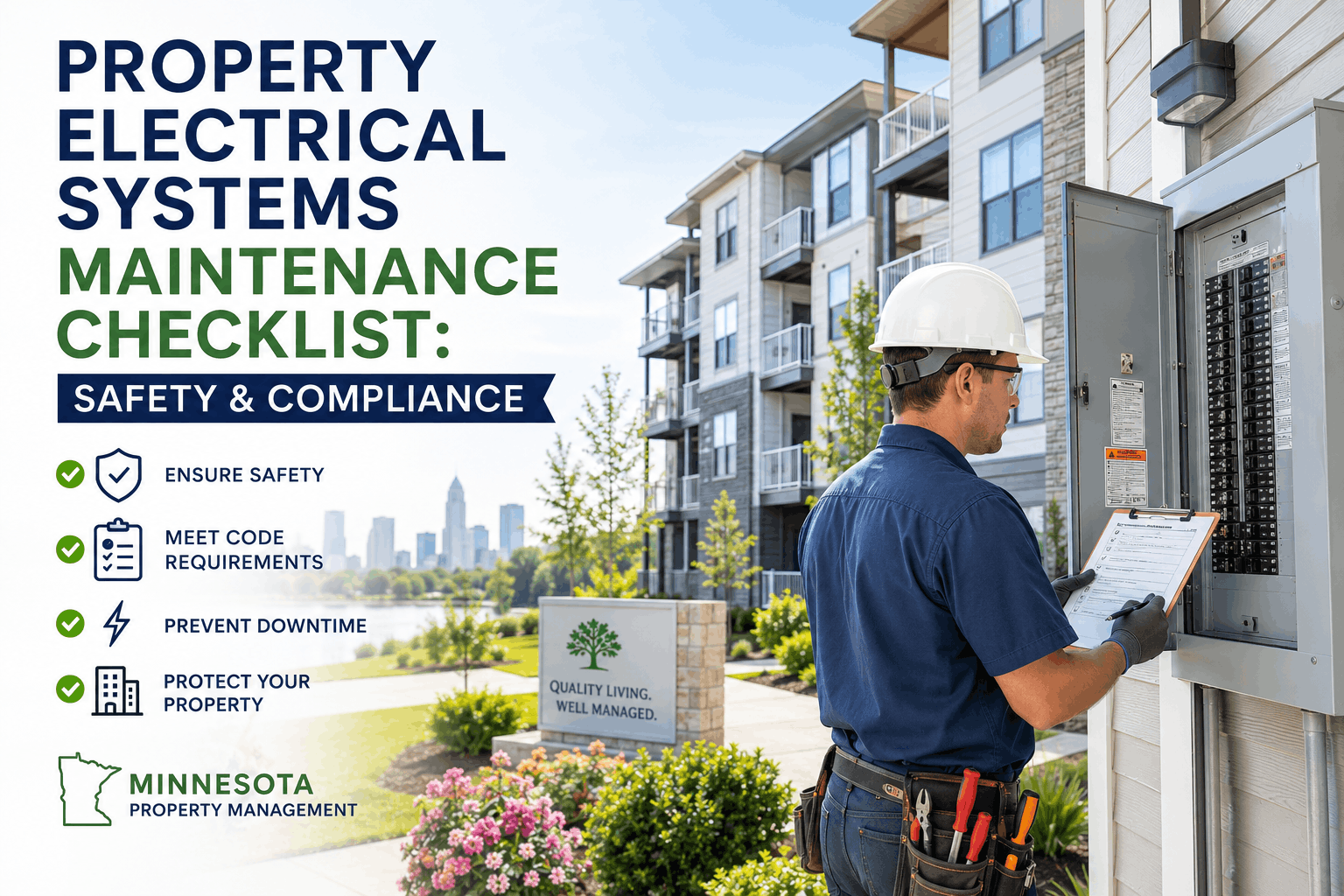
A loose bus bar connection that raises panel temperature by 15°C above ambient is not a nuisance — it is a fire in progress. The NFPA reports that electrical distribution equipment causes 24% of commercial building fires, and infrared thermography studies consistently show that 80% of those fires are preceded by detectable thermal anomalies visible months before ignition. Complete at every scheduled panel maintenance interval and after any significant load change or fault event. For digital completion with automatic work order routing, deploy via Oxmaint's zone-based inspection module. Book a demo to see how Oxmaint converts this checklist into live digital work orders assigned to your electrical asset hierarchy.
24%
of commercial building fires attributed to electrical distribution equipment — most preceded by thermal anomalies that went uninspected or undocumented
$47K
average cost of a commercial panel failure event — emergency repair, downtime, and business interruption — versus a $400 planned infrared inspection
6
inspection zones covered — visual and physical, thermal imaging, breaker and overcurrent, bus bar and connections, grounding and neutrals, arc flash and load balance
NFPA 70B
the governing standard for electrical equipment maintenance requiring documented inspection intervals and condition records for commercial panel boards
Checklist Scope and Usage
This checklist covers six inspection zones: visual and physical condition, infrared thermography and thermal imaging, circuit breaker and overcurrent device inspection, bus bar and connection integrity, grounding and neutral system verification, and arc flash labeling and load balance assessment. Priority ratings are assigned per item based on failure consequence and detection window. Critical items have a short detection window to unrecoverable failure. Monitor items require a work order and defined re-inspection. Routine items are documented and trended over time. All FLAG and STOP findings require photo documentation before the work order is raised. This checklist applies to main distribution panels, sub-panels, motor control centers, and switchgear rated 120V to 600V in commercial and industrial facilities.
Visual inspection establishes the baseline condition of the enclosure, internal components, and installation before any energized testing begins. These items are completed with panel covers in place first, then with covers removed by a qualified electrician following NFPA 70E PPE requirements for the arc flash boundary and incident energy level at the panel.
Enclosure and External Condition
Internal Visual — Cover Removed by Qualified Electrician
Digitise This Checklist in Oxmaint
Zone-based inspection on mobile, timestamped photo capture, and automatic work order routing for every FLAG and STOP finding — assigned to your electrical asset hierarchy.
Zone 2 — Infrared Thermography and Thermal Imaging
Infrared thermography is the single most cost-effective electrical panel inspection technique available. NFPA 70B and most commercial property insurance carriers require annual IR scanning of electrical distribution equipment. All thermographic inspections must be conducted under minimum 40% normal load for results to be meaningful — a panel under no load will not show resistive heating from loose connections.
Thermal Scan Criteria and Temperature Differentials
Thermal Imaging — Specific Component Checks
Zone 3 — Circuit Breaker and Overcurrent Device Inspection
Circuit breakers are the primary protection device for every downstream circuit. A breaker that has tripped and been reset multiple times without investigation of the fault condition may have damaged internal components that prevent reliable tripping under future fault conditions. Breaker torque verification requires the circuit to be de-energized and locked out per NFPA 70E.
Breaker Physical Condition and Operation
Breaker Torque Verification — LOTO Required
Every Finding Becomes a Work Order. Automatically.
Oxmaint routes FLAG and STOP items from every checklist zone directly to the correct technician — with photo evidence attached and compliance documentation generated without post-processing.
The bus bar system carries the full panel load continuously. Bus bar failures are typically not instantaneous — they develop from progressive loosening of bolted connections, galvanic corrosion at dissimilar metal joints, or oxidation at aluminum-to-copper interfaces that increases resistance and generates heat. Detecting these conditions requires both thermal imaging under load and physical inspection with panel de-energized.
Bus Bar Physical Condition
Conductor Terminations and Lugs
Zone 5 — Grounding and Neutral System Verification
The grounding and neutral system is the safety backbone of the panel. A compromised ground or a neutral-to-ground fault downstream creates the conditions for undetected current paths, equipment damage, and shock hazard. Grounding inspection requires continuity measurement with panel de-energized and all downstream loads disconnected.
Ground Bar and Bonding
Neutral Bar and System Integrity
Zone 6 — Arc Flash Labeling, Compliance, and Load Balance
Arc flash labeling is a legal requirement under NFPA 70E and OSHA 1910.333 for any commercial electrical panel where qualified persons may perform energized work. An outdated or missing arc flash label is a compliance violation that exposes the facility to OSHA citation. Load balance assessment identifies circuits that are chronically overloaded — a condition that causes both breaker wear and fire risk.
Arc Flash Label and Documentation
Load Balance and Circuit Assessment
Inspection Zone Summary — Frequency and Priority Distribution
Inspection Zone
Energized Inspection
De-energized / LOTO Required
Critical Items
Monitor Items
Total Items
Zone 1 — Visual and Physical
Enclosure exterior
Internal inspection
3
5
13
Zone 2 — Thermal Imaging
Full zone — min 40% load
Not applicable
2
6
11
Zone 3 — Breakers and OCDs
Physical condition only
Torque verification
4
5
11
Zone 4 — Bus Bar and Connections
Thermal imaging only
Physical and torque
3
5
10
Zone 5 — Grounding and Neutrals
Neutral current measurement
Bonding and continuity
4
3
9
Zone 6 — Arc Flash and Load
Load measurement
Label verification
2
6
10
Total Checklist Items
—
—
18
30
64
Oxmaint Compliance Coverage for Electrical Panel Inspection Records
Region
Applicable Standards
Oxmaint Inspection Record Output
USA / Canada
NFPA 70B (electrical equipment maintenance), NFPA 70E (electrical safety), OSHA 1910.303 and 1910.333, NEC 110.26 working clearance, ANSI/NETA MTS (maintenance testing specification)
AS/NZS 3000 (Wiring Rules), AS/NZS 3017 (inspection and testing), Work Health and Safety Act, state electrical safety regulations, Australian Privacy Act
AS/NZS 3017-compatible inspection and test records, WHS Act maintenance documentation, state electrical safety authority-compatible report formats, APP-compliant data handling
Saudi Arabia / UAE
SASO IEC 60364 adoption, Civil Defence Authority electrical inspection requirements, UAE Federal Law No. 24, PDPL data protection
Inspection Records That Satisfy Every Regional Framework
Oxmaint structures electrical panel inspection records to satisfy NFPA 70B, OSHA, BS 7671, DGUV, and AS/NZS audit requirements — timestamped findings, thermal image archive, torque logs, and compliance export without manual assembly after each inspection.
Oxmaint Electrical Inspection Results at Commercial Sites
91%
Inspection Compliance Rate
Panel inspection checklist completion rate on scheduled intervals at Oxmaint-deployed commercial facilities
72%
Fewer Electrical Failures
Reduction in unplanned electrical panel failures at 12 months post structured PM deployment at Oxmaint commercial sites
2 wks
Deployment Time
Average time to live digital panel inspections including asset hierarchy build, template activation, and technician training
100%
Work Order Linkage
FLAG and STOP findings automatically routed to corrective work orders with thermal image and photo evidence attached from the inspection event
Frequently Asked Questions
QHow often should commercial electrical panels be inspected and thermally scanned?
NFPA 70B recommends annual infrared thermographic inspection of electrical distribution equipment under load as the minimum standard for commercial facilities. Most commercial property insurance carriers require documented annual IR scans as a condition of coverage and may require more frequent scanning for facilities with high electrical loads or older distribution equipment.
QWhat temperature differential on an infrared scan requires immediate action versus a scheduled repair?
NFPA 70B establishes three priority classifications based on temperature differential above an identical component under identical load: Priority 1 — temperature differential greater than 15°C above a similar component, or any single point exceeding 40°C above ambient — requires immediate de-energization and investigation before the next operational cycle.
QDoes this checklist apply to motor control centers and switchgear as well as panel boards?
The core zones — visual condition, thermal imaging, connection torque, bus bar integrity, grounding, and arc flash labeling — apply to all commercial electrical distribution equipment including panel boards, motor control centers (MCCs), and switchgear rated 120V to 600V.
QWhat qualifications are required to complete this inspection checklist?
The energized portions of this checklist — external visual inspection, thermal imaging with panel cover removed, and load measurement — require a qualified person as defined by NFPA 70E: an individual trained to identify exposed live parts, understand hazardous conditions, and use appropriate PPE for the incident energy level at the panel.
QHow does Oxmaint handle the arc flash label compliance tracking requirement?
Each panel asset in Oxmaint stores the arc flash study date, incident energy level, arc flash boundary, and required PPE category as structured data fields. The system automatically generates a work order alert when a panel's arc flash study approaches the 5-year renewal threshold or when a significant load change work order is completed that may affect available fault current.
Deploy This Checklist as Live Digital Panel Inspections in Oxmaint
Every zone and every item in this checklist is available as a structured digital work order in Oxmaint — assigned to your electrical asset hierarchy, triggered on schedule, and completed on mobile at the panel location with thermal image capture and automatic work order routing for every FLAG and STOP finding.