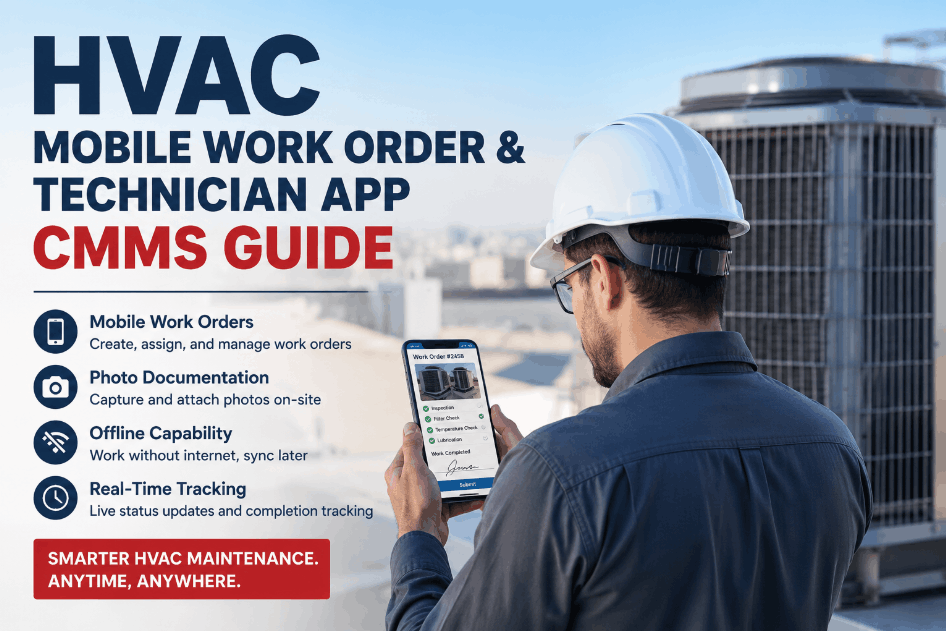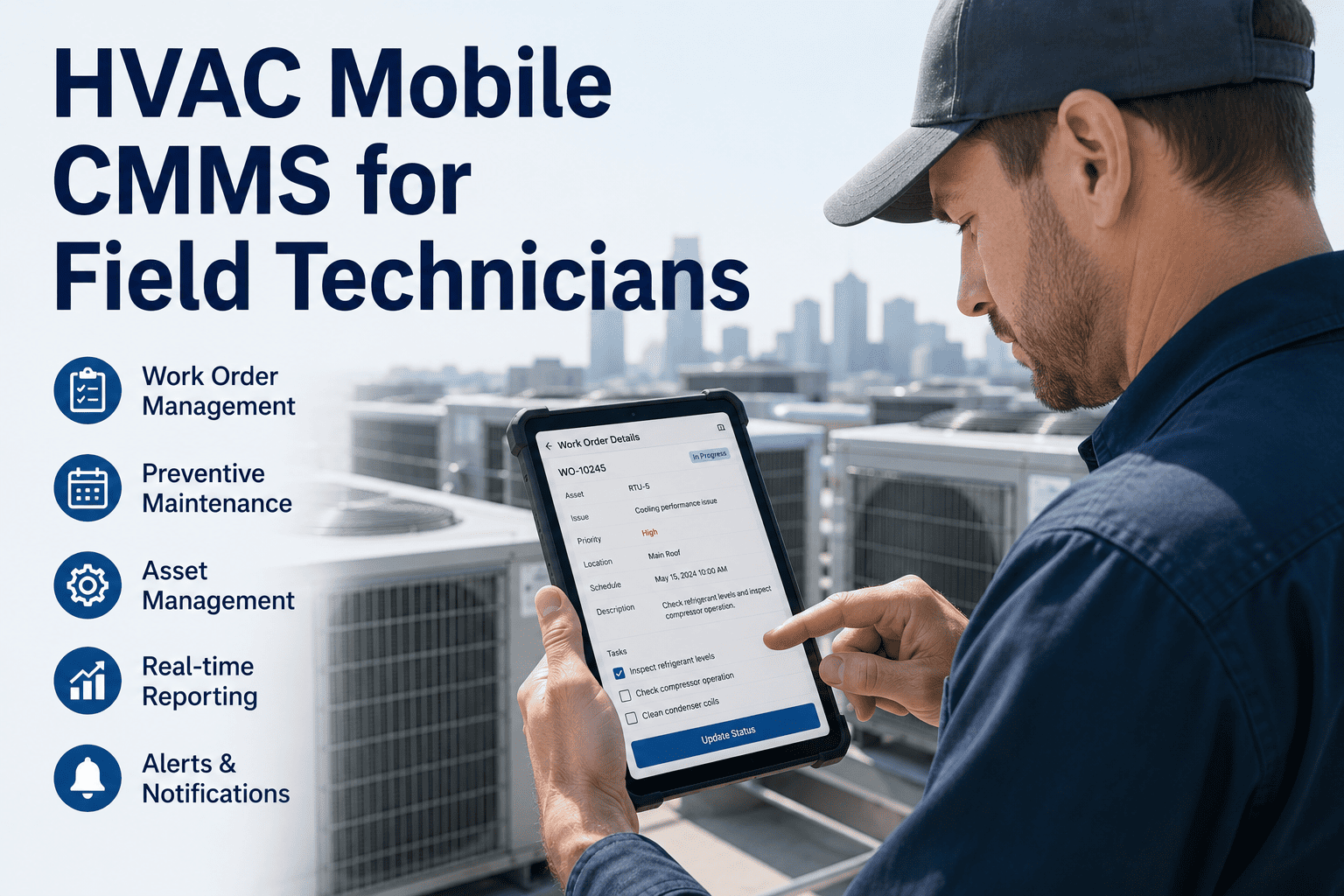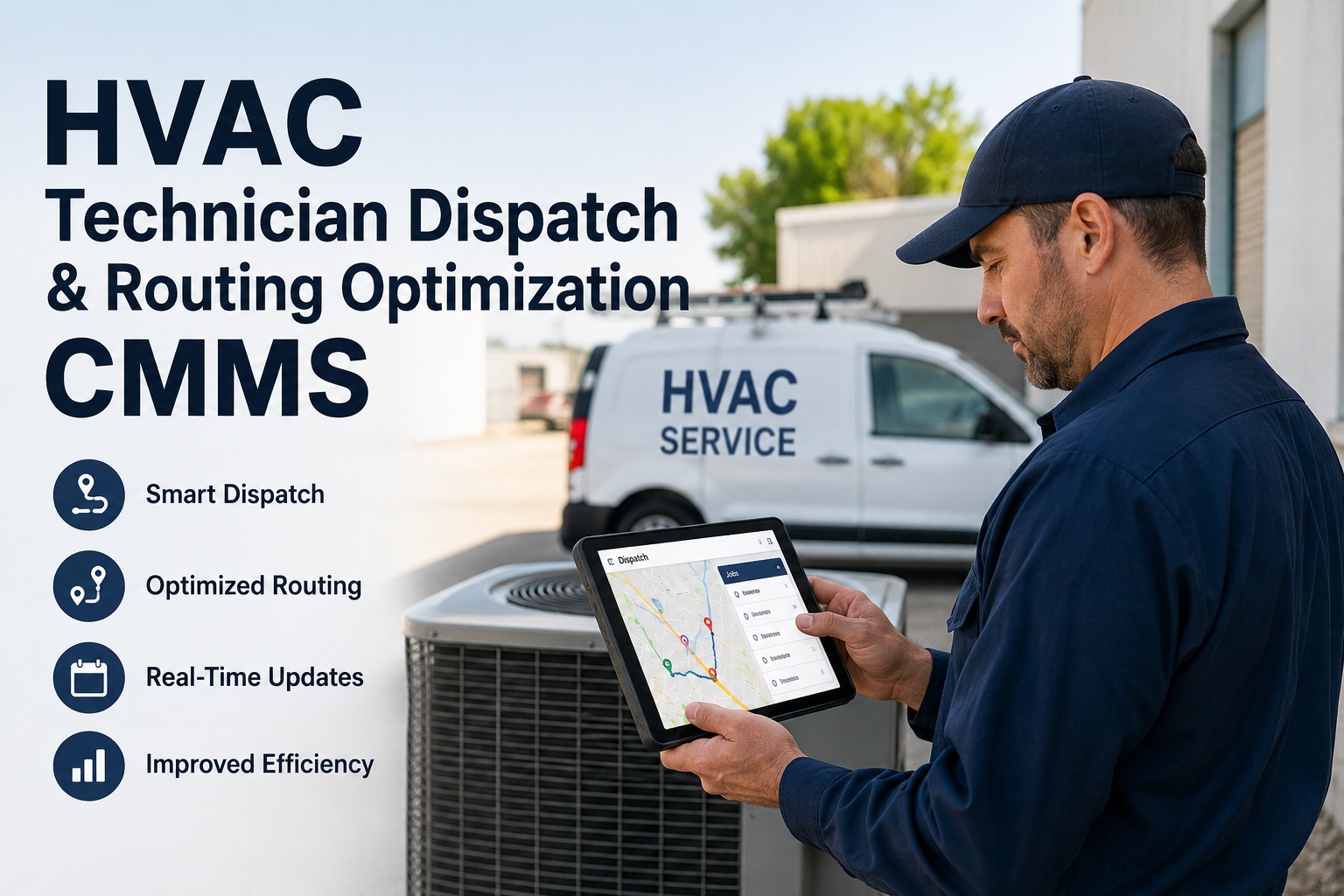
HVAC technician dispatch and routing optimization is the process of assigning the right technician to the right job based on skill set, geographic proximity, and real-time availability—and a CMMS automates this to cut travel time, reduce overtime, and boost first-time-fix rates. For commercial HVAC contractors and in-house facility teams managing dozens of rooftops, chillers, and AHUs daily, manual dispatching creates costly bottlenecks: missed SLAs, unnecessary windshield time, and improper skill matching that forces return visits. Intelligent dispatch automation within a modern CMMS eliminates these inefficiencies by dynamically sequencing work orders, prioritizing preventive maintenance, and matching certifications to equipment requirements. This guide breaks down exactly how HVAC dispatch optimization works, the ROI metrics you should expect, and how platforms like OxMaint use AI-driven routing to transform field service operations. Ready to upgrade your dispatching? You can Start Free Trial today or book a personalized walkthrough.
HVAC Dispatch & Routing Guide
Are Your HVAC Technicians Spending More Time Driving Than Fixing?
Inefficient dispatching costs field service organizations up to $1,200 per technician annually in wasted fuel and overtime. Skill-based dispatch and CMMS routing optimization recover those hours—automatically matching the closest qualified tech to every work order while cutting windshield time by up to 30%.
The Cost of Manual Dispatching
Why HVAC Technician Dispatch Breaks Down Without Automation
A 50-technician HVAC team dispatching manually from spreadsheets loses roughly 14 hours per week to misaligned routes, improper skill matching, and redundant communication. That equates to over $42,000 in annual lost labor capacity—before factoring in the cost of SLA penalties and rushed return visits caused by sending the wrong tech to a complex chiller fault.
Intelligent Dispatch HVAC
How Skill-Based Dispatch & CMMS Routing Optimization Works
Modern dispatch automation moves beyond "nearest technician" logic. An intelligent CMMS evaluates technician certifications, equipment service history, parts inventory, and live GPS data to sequence work orders for maximum efficiency. Here is the step-by-step workflow that cuts unnecessary travel and ensures first-time fixes:
Demand Intake & Automated Triage
Incoming work orders—whether from preventive maintenance schedules, tenant requests, or IoT sensor alerts—are automatically categorized by equipment type, priority level, and required certification (e.g., EPA 608 for refrigerant handling).
Skill & Certification Matching
The system filters the available technician pool, excluding anyone lacking the specific manufacturer training or HVAC license required for that exact asset, preventing the 23% return-visit rate caused by skill gaps.
Geographic Route Sequencing
Approved technicians are sorted by proximity and current route trajectory. The CMMS clusters nearby service calls to minimize backtracking, optimizing the daily route dynamically as new priority work orders drop in.
Parts Availability Verification
Before assignment is finalized, the system cross-references the required spare parts (filters, belts, compressors) against the technician's van inventory and the central warehouse, ensuring the tech arrives prepared to fix the issue on the spot.
CMMS Dispatch Optimization
The ROI of HVAC Dispatch Automation: Calculating Your Payback
When transitioning from reactive, manual dispatching to a CMMS, the payback period is typically under 6 months. The formula is straightforward: you are recovering lost labor hours, reducing vehicle wear, and eliminating SLA breach penalties. Here is how the savings break down for a standard commercial HVAC operation.
Annual Savings Formula
(Recovered Labor Hours × Loaded Rate) + (Eliminated Return Visits × Cost per Visit) + (Avoided SLA Penalties)
| ROI Metric | Manual Dispatching | CMMS Automated Routing | Annual Savings |
|---|---|---|---|
| Windshield time per tech (weekly) | 11.5 hours | 8.0 hours | $2,800 |
| First-time fix rate | 68% | 89% | $7,500 (fewer return visits) |
| Overtime hours (team-wide) | 40 hours/week | 15 hours/week | $19,500 |
| SLA compliance breaches | 8 per month | 1 per month | $4,200 |
| Total Savings per 10 Technicians | — | — | $34,000 / year |
Consider a 180-asset commercial facility spending $42K annually on outsourced HVAC dispatch and reactive repairs. By internalizing dispatch through OxMaint and applying route optimization, they cut outsourced emergency calls by 40% in the first quarter, recovering $16,800 in direct service costs while improving equipment uptime by 18%.
How OxMaint Helps
AI-Powered HVAC Technician Dispatch & Routing Optimization in OxMaint
OxMaint combines EAM asset tracking with AI-driven CMMS dispatch automation to ensure the right technician reaches the right asset with the right parts—every time. Here is how our platform maps directly to your dispatching challenges:
Smart Skill-Based Assignment
OxMaint automatically matches technician certifications, manufacturer training, and historical success rates to specific HVAC asset types, cutting first-time-fix failures by up to 30%.
Dynamic Route Optimization
Real-time GPS tracking and AI sequencing cluster daily work orders geographically, reducing average technician windshield time by 25% and lowering fuel costs across the fleet.
Integrated Parts Inventory
Before a work order is assigned, OxMaint verifies that necessary spare parts and filters are loaded in the technician's van, eliminating mid-day warehouse runs and delayed repairs.
Predictive Dispatch Alerts
OxMaint's predictive maintenance engine analyzes vibration and temperature data to dispatch technicians before a chiller or AHU fails, shifting your team from reactive breakdowns to planned maintenance.
See OxMaint Dispatch Optimization on Your Assets
Book a 30-minute demo and watch how quickly OxMaint maps your HVAC technicians, equipment, and routes into one intelligent, automated workflow.
Frequently Asked Questions
HVAC Technician Dispatch & CMMS Routing FAQs
What is HVAC technician dispatch and routing optimization?
HVAC technician dispatch and routing optimization is the automated process of assigning service calls to technicians based on skill set, proximity, and real-time availability. A CMMS uses algorithms to sequence these work orders geographically, ensuring the closest qualified technician handles the right equipment, which minimizes travel time and maximizes first-time fix rates.
How does skill-based dispatch reduce return visits?
Skill-based dispatch cross-references an asset's service requirements with a technician's specific certifications (like EPA 608 or manufacturer-specific training) before assigning the work order. This prevents sending a tech who lacks the expertise to fix a complex chiller fault, eliminating the 20-25% of return visits caused by skill mismatches. You can see this capability in action when you Start Free Trial of OxMaint.
Can a CMMS optimize routes for both planned and emergency HVAC calls?
Yes. An intelligent CMMS dynamically recalculates routes in real-time. If an emergency HVAC breakdown occurs, the system identifies the closest available technician with the right skills, inserts the high-priority work order into their route, and automatically shifts their lower-priority preventive maintenance tasks to later in the day or another qualified tech.
How long does it take to implement HVAC dispatch automation?
Most mid-sized HVAC teams can fully implement CMMS dispatch automation within 2 to 4 weeks. This includes migrating asset data, uploading technician certifications, and configuring route parameters. To ensure a smooth transition from spreadsheets or legacy software, we recommend you Book a Demo with our implementation team to map out your specific data structure.
What ROI can I expect from CMMS dispatch optimization?
Commercial HVAC teams typically see a 25-30% reduction in windshield time, a 15-20% increase in first-time fix rates, and an overall labor cost reduction of 10-15% within the first year. The payback period for most dispatch automation software is under 6 months, driven primarily by eliminated overtime and reduced vehicle wear.
Stop Losing Hours to Manual Dispatching
Join the maintenance teams using OxMaint to automate work orders, optimize HVAC routing, and predict failures before they happen.
Free 14-day trial · No credit card