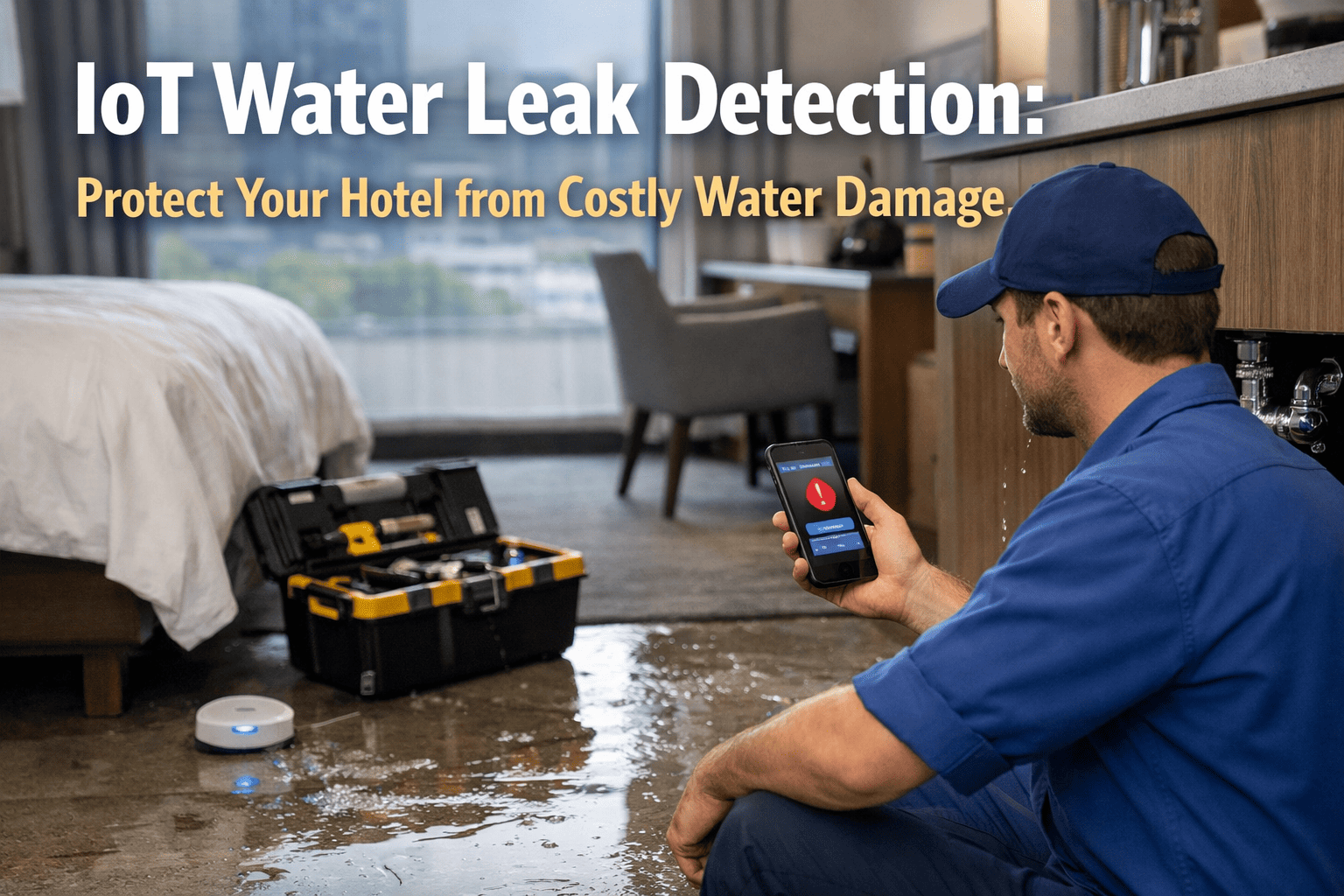
Hotel Plumbing Maintenance Checklist for Leak Prevention Water Damage Control and System Reliability
By Liam Neeson on March 24, 2026
A hotel running at 80% occupancy cannot afford a burst pipe at 2 AM. A single water damage incident in the hospitality industry averages $11,605 in restoration costs — and that number climbs fast when you factor in guest relocations, emergency labor, and the reviews that follow. The good news: most plumbing failures in hotels are not accidents. They are the result of skipped inspections, untracked assets, and response loops that are simply too slow. This checklist gives your maintenance team the structure to stay ahead of every pipe, valve, drain, and water heater across your property — before your guests ever notice a problem. Sign up free to start tracking your hotel plumbing assets today, or book a demo to see how Oxmaint works for your property.
$11,605
Average water damage claim cost per hotel incident
80%
Of rental/commercial water damage stems from preventable plumbing failures
3,000 gal
Water wasted per year by a single dripping faucet — left unchecked
22 days
Typical lag between anomaly detection and action — without a digital system
Why Hotels Are High-Risk Plumbing Environments
Unlike offices or warehouses, hotels run water systems continuously — hundreds of guests, back-to-back check-ins, kitchens, laundries, spas, and cooling towers all demanding flow around the clock. Aging infrastructure compounds the risk: outdated pipes struggle to sustain pressure under peak demand, and deferred maintenance silently accelerates corrosion, sediment buildup, and seal degradation. Oxmaint's plumbing asset registry helps maintenance teams stay on top of every system — sign up free and get your first inspection schedule live within the week.
Clogged Pipes
Guest bathrooms, kitchens, and laundry areas accumulate hair, grease, and soap faster than most properties track. The most common plumbing failure in hotels — and the most preventable.
Water Pressure Failure
Large hotels with outdated plumbing struggle to maintain consistent pressure. Weak shower flow translates directly to negative guest reviews and brand damage.
Hidden Leaks
Leaks behind walls and under floors go undetected for weeks in busy hotels. By the time staining appears on ceilings, structural damage and mold remediation costs have already stacked up.
Water Heater Failures
Sediment buildup in commercial water heaters increases energy consumption, reduces output, and shortens equipment life. Annual flushing prevents the majority of heater-related outages.
Backflow Contamination
Backflow from irrigation systems, pools, and kitchen equipment can contaminate potable water supplies. Regular backflow preventer testing is both a safety requirement and a compliance obligation.
Compliance Gaps
Missed inspections create documentation gaps that become liabilities during audits and insurance claims. Insurers increasingly deny claims when maintenance records show neglect.
The Complete Hotel Plumbing Maintenance Checklist
Maintenance Frequency
Daily
Weekly
Monthly
Annual
Pipes and Leak Detection
Daily — Weekly
Inspect all visible pipes in mechanical rooms, basement corridors, and utility chases for signs of dripping, condensation, or corrosion
Check water meter readings at shift start and end — an unexplained spike indicates an active hidden leak
Examine ceiling tiles and wall surfaces in guest rooms and corridors for water staining, discoloration, or soft spots
Verify all under-sink cabinet interiors are dry — kitchen, laundry, and bathroom supply connections are high-frequency leak points
Test all shut-off valves quarterly for ease of operation — a valve that cannot close is a liability in any emergency
Label all critical water control points clearly — emergency response time drops significantly when valves are marked and mapped
Drains and Drain Lines
Weekly — Monthly
Test all guest room, kitchen, laundry, and spa drains for slow drainage — slow flow is the earliest warning of developing blockage
Remove and clean drain covers and strainers — hair, grease, and soap scum accumulate rapidly in high-occupancy environments
Flush kitchen grease traps and verify they are not approaching capacity — overflows create both sanitation and structural damage risk
Inspect floor drains in laundry, mechanical rooms, and pool areas for sediment accumulation and backflow risk
Schedule camera inspections of main sewer lines annually — tree root intrusion and pipe degradation do not show up in surface checks
Water Heaters and Boilers
Monthly — Annual
Inspect tank exterior for rust streaks, mineral deposits, or visible corrosion — early surface signs indicate internal degradation
Test pressure relief valves monthly — a valve that fails to open under test pressure is a safety and liability issue requiring immediate replacement
Flush tanks annually to remove sediment buildup — sediment forces the heater to work harder, raising energy costs and accelerating failure
Verify hot water delivery temperature is consistent across all floors — pressure or temperature drops indicate a developing system issue
Record heater age and service history — units beyond 10 years should be assessed for refurbish-versus-replace on each inspection cycle
Fixtures, Faucets, and Toilets
Daily Rounds
Inspect every guest room toilet during housekeeping rounds — constant running water indicates a faulty flapper or fill valve wasting hundreds of gallons per day
Perform dye test on suspect toilets — add food coloring to the tank and check if color migrates to the bowl without flushing, confirming a flapper leak
Check all faucet aerators and showerheads for mineral buildup reducing flow — clean or replace every 6 months in hard water regions
Test water pressure at faucets and showers — normal range is 40–80 psi; readings outside this window signal a systemic issue requiring investigation
Inspect grout and caulking around tubs, showers, and sinks — failed seals are a primary entry point for water behind walls in guest rooms
Backflow Preventers and Water Quality
Bi-annual — Annual
Test all backflow preventer assemblies by a certified tester — required bi-annually in most jurisdictions and essential for potable water protection
Inspect check valves on irrigation systems, pools, and kitchen equipment connections — these are the highest-risk backflow contamination points in hotels
Replace water filtration system cartridges per manufacturer schedule — clean sediment filters maintain water quality and protect downstream fixtures
Log all backflow test results and file documentation for compliance audits — missing records are treated as a failed inspection by most regulatory bodies
Stop Running Checklists on Paper
Oxmaint connects your plumbing asset registry to digital work orders, leak detection alerts, and water system monitoring — so your team acts in minutes, not weeks. No new hardware required.
Hidden leaks discovered only after ceiling or wall damage
Emergency repair pricing — 2x to 4x standard labor cost
Guest room outages averaging 2–5 days for water damage remediation
Insurance claims denied when maintenance records show neglect
Compliance documentation gaps flagged during health and safety audits
With Oxmaint Digital Checklists
Leak alerts triggered within minutes of sensor threshold breach
Planned interventions executed at standard labor rates during scheduled windows
Zero unplanned room closures from plumbing failures
Timestamped inspection records and work order trails ready for any audit
PM compliance rates above 85% across all plumbing assets
How Oxmaint Connects This Checklist to Real Work Orders
01
Register Every Plumbing Asset
Add pipes, valves, water heaters, backflow preventers, and drain systems to the Oxmaint asset registry via QR scanning. Historical maintenance data imports directly from your existing records.
02
Connect Existing IoT Sensors
Leak sensors, pressure monitors, and water meters connect via OPC-UA or REST API — no new hardware, no replacement of existing monitoring equipment.
03
Set Thresholds, Activate PM Schedules
Define alert thresholds per asset — pressure, temperature, flow rate. Activate daily, weekly, and monthly inspection schedules. Every checklist item becomes a tracked, timestamped work order.
04
Act in Minutes, Not Weeks
When a sensor crosses a threshold, Oxmaint fires a condition work order automatically. Your technician receives the assignment with full asset history before the issue escalates — average response drops from 22 days to under 40 minutes.
Built for Hotel Maintenance Teams
Turn Every Checklist Item Into a Tracked Work Order