
Tire-related issues account for thousands of roadside breakdowns and out-of-service violations every year in commercial fleets. The 2024 CVSA International Road check placed special emphasis on tire safety, with inspectors examining tread depth, inflation levels, and visible damage across tens of thousands of vehicles. For fleet managers, maintaining a systematic tire inspection program is not just about compliance—it directly impacts fuel efficiency, driver safety, and operational costs.
This comprehensive guide provides everything you need to implement an effective tire inspection program, including inspection protocols, a ready-to-use report template, and best practices for documentation. By digitizing your inspection process through Oxmaint's fleet maintenance platform, you can standardize inspections across your entire operation and maintain audit-ready records automatically.
Tires Inspection Guide & Report Template
Master tire inspection protocols, understand what to document, and download a professional report template to keep your fleet safe and compliant.
What to Inspect: The 6 Critical Checkpoints
Tire Pressure (PSI)
Measure cold pressure against manufacturer specs. Most commercial tires require 80-120 PSI depending on load. Pressure changes 1 PSI for every 10 degree F temperature shift.
Tread Depth
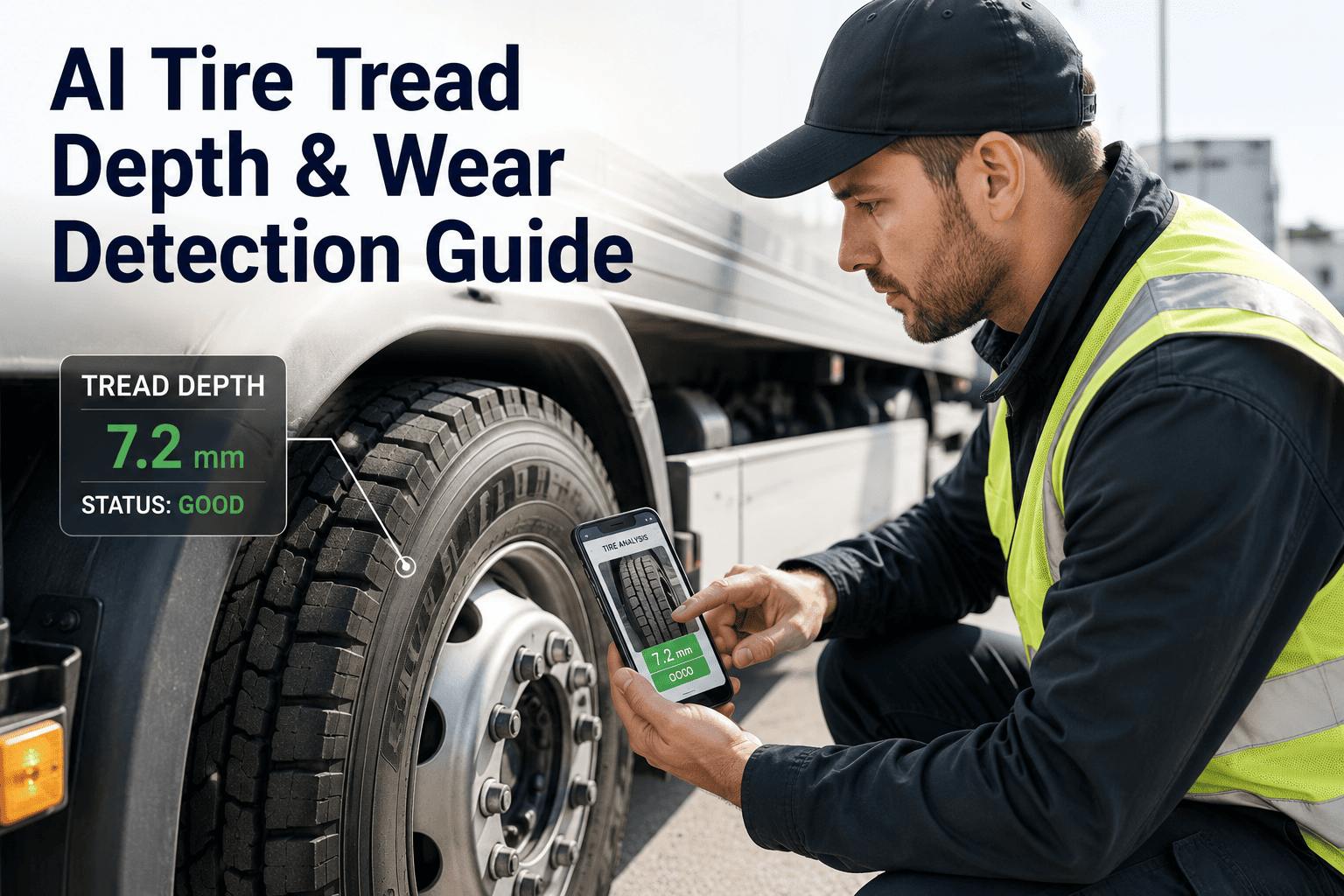
Use a calibrated gauge to measure at multiple points. Steer tires need 4/32" minimum; drive and trailer tires need 2/32" minimum per DOT regulations.
Wear Patterns
Check for uneven wear indicating alignment or suspension issues. Center wear signals overinflation; edge wear indicates underinflation.
Sidewall Condition
Inspect for cuts, bulges, cracks, or weather checking. Any sidewall damage compromises structural integrity and increases blowout risk.
Foreign Objects
Look for nails, screws, glass, or debris embedded in the tread. Remove objects carefully and assess whether repair or replacement is needed.
Valve Stems & Hardware
Check valve stems for cracks, caps for presence, and wheels for damage. Inspect lug nuts for proper torque and wheel rims for bends or corrosion.
Tire Inspection Report Template
A standardized report template ensures consistent documentation across all inspectors and vehicles. Below is an example of the key sections your tire inspection reports should include. Digital inspection tools like Oxmaint automatically capture this data and generate reports instantly.
Inspection Frequency Guidelines
| Inspection Type | Frequency | Who Performs | Documentation Required |
|---|---|---|---|
| Pre-Trip Visual Check | Before every trip | Driver | DVIR entry |
| Pressure Measurement | Weekly | Driver or Technician | Pressure log |
| Tread Depth Measurement | Monthly | Technician | Full inspection report |
| Comprehensive Tire Audit | Quarterly | Fleet Manager / Inspector | Detailed report with photos |
| DOT Annual Inspection | Annually | Certified Inspector | Official inspection certificate |
Best Practices for Tire Inspections
Always Check Cold Tires
Tire pressure increases 2-4 PSI when warm from driving. For accurate readings, measure pressure before the vehicle operates or after at least 3 hours of rest. Never bleed pressure from hot tires to match cold specifications.
Measure Multiple Tread Points
Don't rely on a single measurement. Check tread depth at the center and both shoulders of each tire. If any point is below minimum, the entire tire is compromised and non-compliant with DOT regulations.
Use Proper Lighting
Inspect tires with adequate lighting, including a flashlight for wheel wells and inner dual tires. Many defects like small cracks, embedded objects, or subtle bulges are missed in poor lighting conditions.
Document Everything
Record all measurements, observations, and corrective actions in a standardized format. Digital inspection platforms make this easy by guiding inspectors through required fields and storing data for audit retrieval.
Train All Drivers
Ensure every driver knows what to look for during pre-trip inspections. Provide hands-on training on using tire gauges, identifying wear patterns, and understanding when a tire needs immediate attention versus scheduled service.
The Tire Inspection Process: Step by Step
Gather Equipment
Ensure you have a calibrated tire pressure gauge, tread depth gauge, flashlight, inspection form or mobile device, and gloves. Having all tools ready before starting prevents interruptions and ensures thorough inspections.
Record Vehicle Information
Document the vehicle ID, odometer reading, date, and inspector name. This information links the inspection to the correct asset and establishes when the inspection occurred for compliance tracking.
Visual Exterior Inspection
Walk around the vehicle examining each tire for obvious damage, bulges, cuts, or objects in the tread. Check that all tires are present, properly mounted, and that wheel hardware is secure.
Measure Pressure and Tread
For each tire position, record the cold pressure reading and tread depth measurements at multiple points. Compare readings to specifications and note any variances requiring attention.
Hands-On Assessment
Run your hand across the tread surface feeling for irregularities like feathering, cupping, or flat spots. These tactile checks often detect issues that visual inspection alone might miss.
Document and Report
Complete the inspection form with all findings, note any deficiencies requiring corrective action, and submit the report. Flag urgent issues for immediate attention and schedule routine maintenance items.
Frequently Asked Questions
What should be included in a tire inspection report
A complete tire inspection report should include vehicle identification information, inspection date and inspector name, tire position designations, pressure readings for each tire, tread depth measurements at multiple points, condition observations (wear patterns, damage, foreign objects), valve stem and wheel condition, and any corrective actions required or taken.
How often should commercial fleet tires be inspected
FMCSA requires drivers to perform pre-trip inspections before every trip. Beyond this, fleet best practices recommend weekly pressure checks, monthly tread depth measurements, and quarterly comprehensive audits. More frequent inspections are advisable for vehicles operating in severe conditions or with heavy loads.
What are the DOT minimum tread depth requirements
Federal regulations require a minimum tread depth of 4/32 inch for steer tires and 2/32 inch for drive and trailer tires. However, safety experts recommend replacing tires before reaching these minimums, as stopping distance and wet traction degrade significantly as tread wears.
How do I know if a tire needs replacement versus repair
Tires with tread below minimum depth, sidewall damage, bulges, or severe cracking must be replaced. Punctures in the tread area may be repairable if they are less than 1/4 inch in diameter and do not extend into the sidewall. When in doubt, consult a qualified tire technician for assessment.
Why should fleet managers use digital inspection tools
Digital inspection platforms like Oxmaint standardize the inspection process, eliminate illegible handwriting and lost paperwork, enable photo documentation, automatically timestamp and store records for audits, and provide trend analysis to identify recurring issues across the fleet.
What happens if we fail a DOT tire inspection
Vehicles failing DOT tire inspections may receive out-of-service orders, meaning they cannot operate until deficiencies are corrected. Violations also impact your CSA scores, potentially leading to increased insurance costs, more frequent audits, and operational restrictions. Consistent inspection programs prevent these costly outcomes.
Streamline Your Fleet Tire Inspections
Join thousands of fleet managers who trust Oxmaint to digitize inspections, maintain compliance records, and keep their vehicles safely on the road.

.png)


