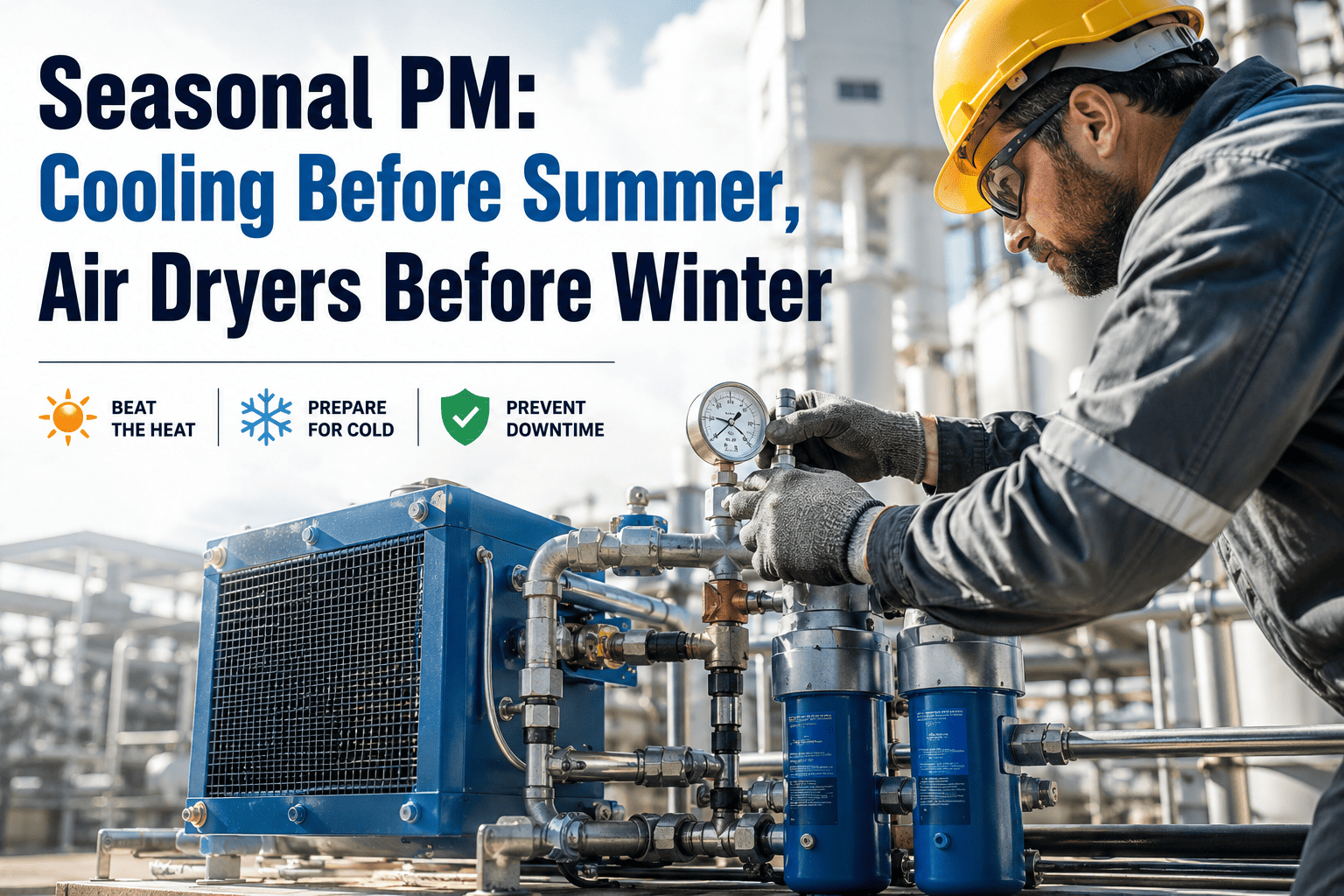
A fleet running routes from Minnesota to Texas doesn't get one seasonal maintenance window — it gets two, on different calendars, for different reasons. Cooling systems need attention before the first heatwave stresses radiators, hoses, and batteries past their limit, while air dryer cartridges need replacing before the first hard freeze turns trapped moisture into a brake line that won't release. National fleets running a single generic PM calendar miss both windows for part of their operation every year. OxMaint schedules seasonal PM by climate zone and vehicle history, so every truck gets cooling prep and air dryer service on the calendar that actually matches where it runs.
Two Seasons, One Fleet: The Cooling and Air Dryer PM Calendar
A practical seasonal readiness guide for national fleets — cooling system prep before the summer heatwaves hit, and air dryer cartridge replacement before the first winter freeze locks up your brake lines.
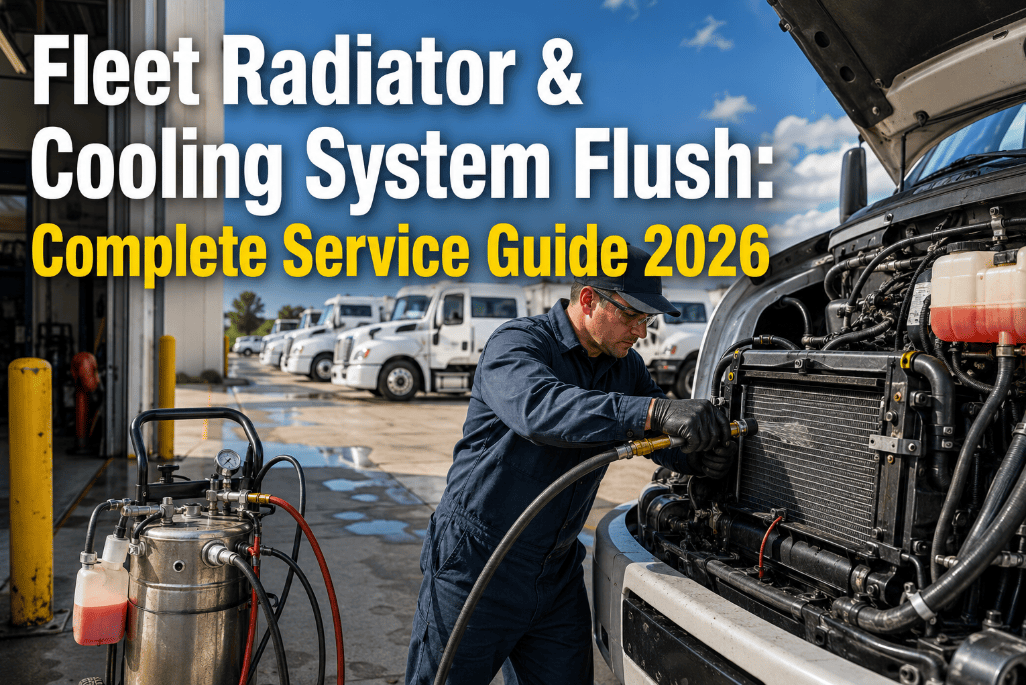
Radiator, hoses, fan clutch, coolant concentration, and battery load — checked before the thermometer decides which one fails first.
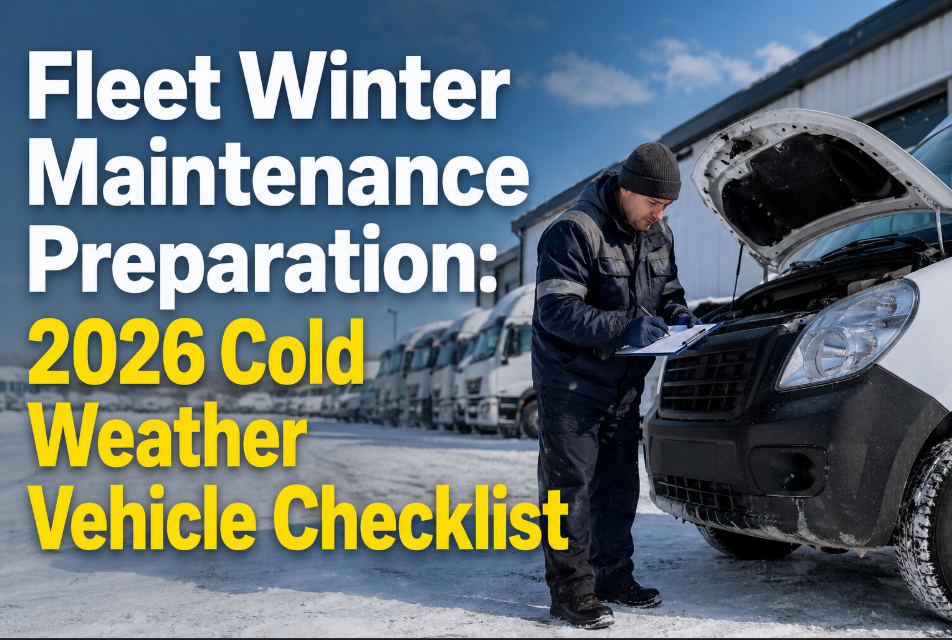
Desiccant cartridge, purge valve, and tank drainage — serviced before the first hard freeze turns moisture into a blocked air line.
Why a Single National PM Calendar Fails Half Your Fleet
A fleet operating across multiple climate zones does not experience one maintenance season — it experiences two, running in opposite directions at the same time. A single calendar-based PM schedule, built around mileage or a fixed date, misses the seasonal trigger point for whichever zone it wasn't designed around.
Vehicles running Sunbelt routes hit peak cooling demand while a generic calendar still has the cooling PM scheduled for a date three weeks out. Radiator airflow and coolant concentration go unchecked through the hottest stretch of the route.
A saturated air dryer cartridge left in service past its window traps moisture that freezes in the tanks and lines overnight, leaving a driver with a brake system that won't release at a pre-trip check.
Vehicles that move between zones on rotating routes often fall outside both seasonal windows, since neither the cooling nor the air dryer trigger is tied to the vehicle's actual operating history.
A PM that is scheduled on a fixed calendar date, rather than a seasonal or climate trigger, closes on time and reports compliant — even though the specific component it needed to check was never inspected.
The Seasonal PM Checklist: 8 Points, Two Windows
Cooling system prep and air dryer service are built from different components, different failure points, and different trigger conditions. Check off each point as your shop clears it — both windows share the same underlying logic: catch the seasonal stress point before it becomes a roadside failure, not after.
Confirm the glycol-water mix against OEM chemistry charts and flush contaminants that reduce heat transfer capacity.
Inspect for cracks, soft spots, restricted airflow, and confirm the fan clutch engages at the correct temperature.
Heat evaporates battery fluid faster than cold does — test load capacity and clean terminals before peak season, not after a no-start call.
Higher heat accelerates rubber wear on belts driving the water pump, fan, and charging system — replace on schedule, not on failure.
Cartridges reach saturation around 25,000 to 30,000 miles or 60 to 90 days of service — replace before the first freeze regardless of which limit is closer.
Replace the purge valve alongside the cartridge and confirm the heater element cycles correctly to prevent internal freezing of the dryer housing.
Below 32°F, primary and secondary tanks should be drained daily until only dry air is expelled, removing moisture the dryer didn't catch.
Cold-rated seals and hoses hold their stretch and recoil in sub-zero conditions — brittle seals are a common freeze-season failure point.
OxMaint triggers cooling and air dryer PM work orders by climate zone and vehicle history — not a single national date — so every truck gets the right checklist before its actual season arrives.
Set the PM Trigger by Zone, Not by the National Calendar
A national fleet needs three seasonal profiles, not one. Each profile changes when the PM triggers, how often the checklist repeats, and which component gets priority attention.
Cooling system checks run on a tighter, longer window — often spring through early fall — with radiator cleaning frequency increased in high-dust or high-utilization operations.
Air dryer cartridges get replaced ahead of the first hard freeze, with shortened 30-day replacement intervals through the coldest months on the highest-humidity routes.
Fleets crossing the mid-latitude corridor need both checklists on a compressed schedule, since the same vehicle can face a heatwave and a freeze warning within the same operating month.
When Each Seasonal PM Window Should Open
Coolant concentration checks, hose inspection, and battery load testing start well before the first heatwave, giving parts and labour time to clear before peak demand.
Radiator cleaning frequency increases through the hottest months, especially for high-utilization and high-dust routes, with weekly fan belt checks during peak heat.
Desiccant cartridges and purge valves are scheduled for replacement before the first hard freeze, ahead of the seasonal rush on parts and technician time.
Daily tank drainage below freezing, monthly heater element checks, and shortened cartridge intervals on the highest-humidity or highest-mileage routes carry through the coldest months.
Seasonal PM Trigger Table
| Component | Season | Trigger Point | Risk If Missed |
|---|---|---|---|
| Coolant concentration | Pre-summer | Spring inspection window | Overheating, engine downtime |
| Radiator and hoses | Pre-summer | Spring inspection window | Restricted airflow, leaks |
| Battery load test | Pre-summer | Spring inspection window | Sudden no-start failure |
| Fan belt condition | Peak summer | Weekly during heat | Cooling fan or pump failure |
| Air dryer cartridge | Pre-winter | 25,000–30,000 miles or 60–90 days | Frozen brake lines |
| Purge valve | Pre-winter | Replaced with cartridge | Incomplete moisture purge |
| Tank drainage | Freeze season | Daily below 32°F | Moisture accumulation, ice |
Frequently Asked Questions
How often should air dryer cartridges be replaced before winter?
Cartridges typically reach saturation at 25,000 to 30,000 miles or 60 to 90 days of service, whichever comes first, and should be replaced before the first hard freeze regardless of mileage. High-humidity routes often need shorter intervals. OxMaint tracks cartridge age against both mileage and freeze-date triggers automatically.
What is the biggest cooling system risk fleets miss before summer?
Restricted radiator airflow from built-up debris is one of the leading causes of summer overheating, since it forces the engine to run hotter even when coolant level and concentration are correct. Radiator cleaning frequency should increase, not stay fixed, through peak heat months.
Why do national fleets need climate-zone PM scheduling instead of one calendar?
A single calendar date can't represent both a Sunbelt route hitting peak heat in June and a northern route facing its first freeze in October. Climate-zone scheduling ties each seasonal checklist to the vehicle's actual operating region and history. Book a demo to see zone-based scheduling in an OxMaint account.
Should the desiccant cartridge and purge valve be replaced together?
Yes. Replacing only the cartridge while leaving a worn purge valve in place risks an incomplete moisture purge cycle, which can still allow water into the tanks even with a fresh cartridge installed.
How does OxMaint trigger seasonal PM work orders automatically?
Work orders generate from a combination of vehicle climate zone, mileage, and calendar proximity to the seasonal trigger window, rather than a single fixed date shared across the whole fleet. See how zone-based PM scheduling works in OxMaint.
Stop Running One Calendar for a Fleet That Sees Two Seasons
OxMaint schedules cooling system prep and air dryer service by climate zone and vehicle history, so every truck gets the right seasonal checklist before its actual season arrives — not three weeks after.


.png)


