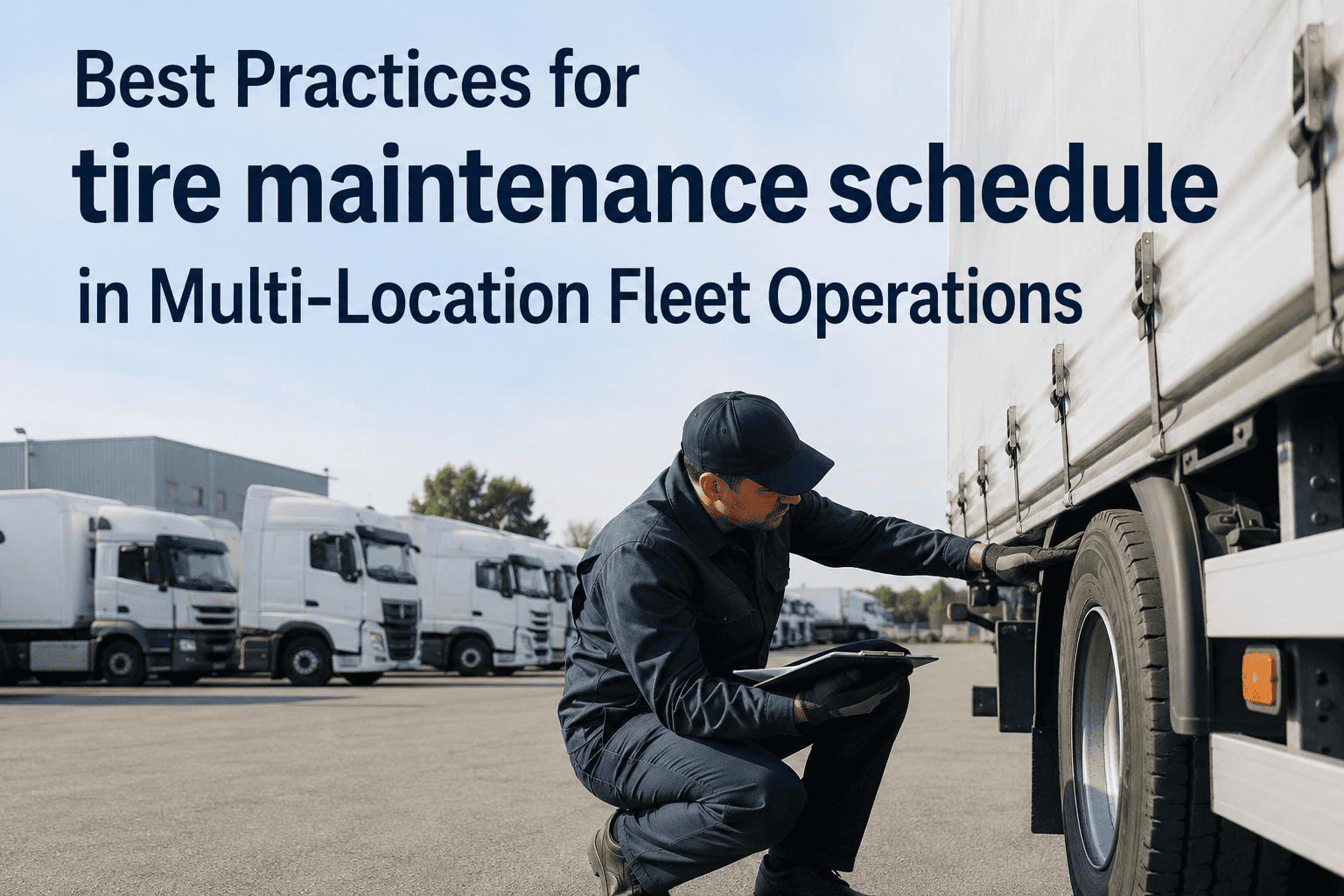
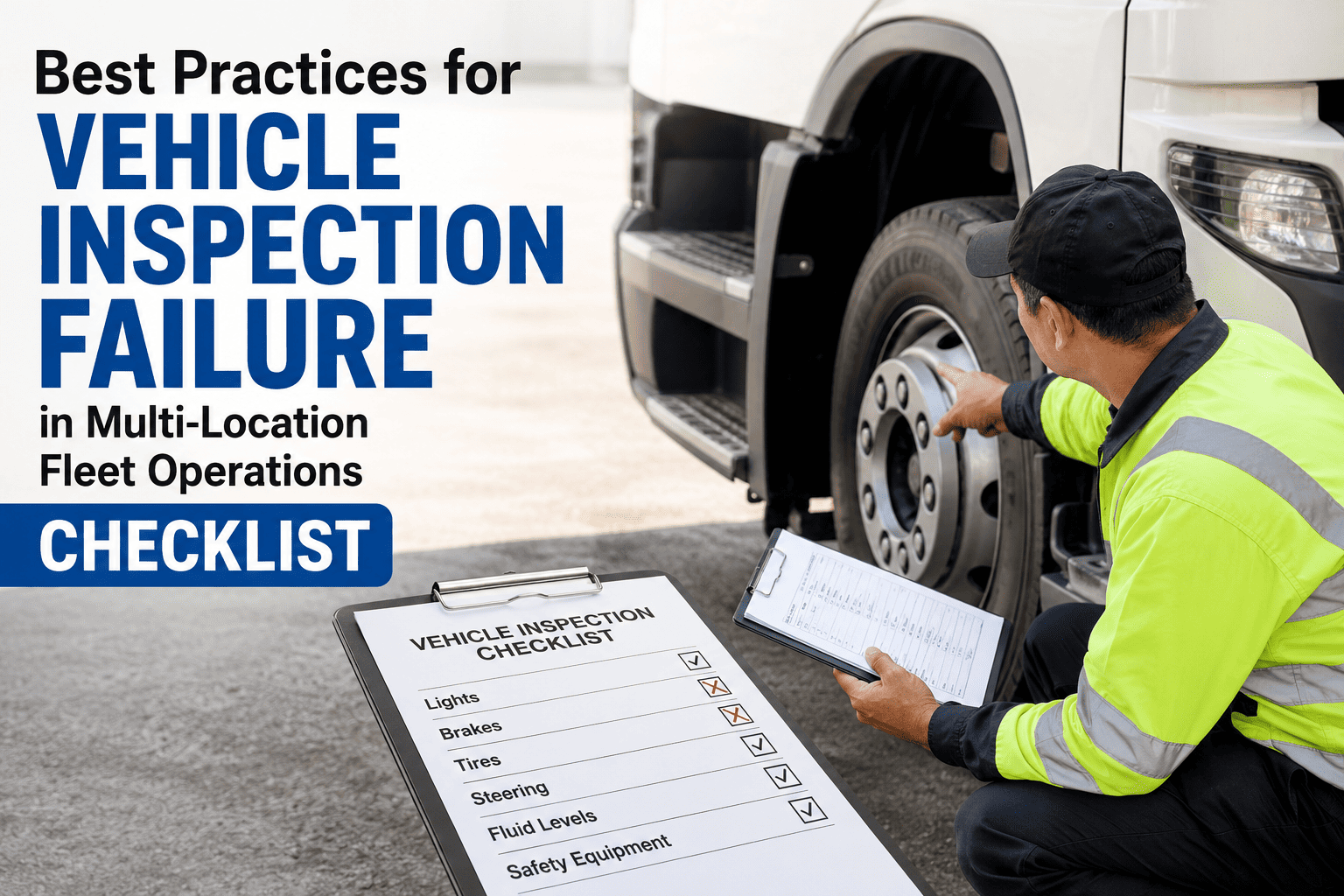
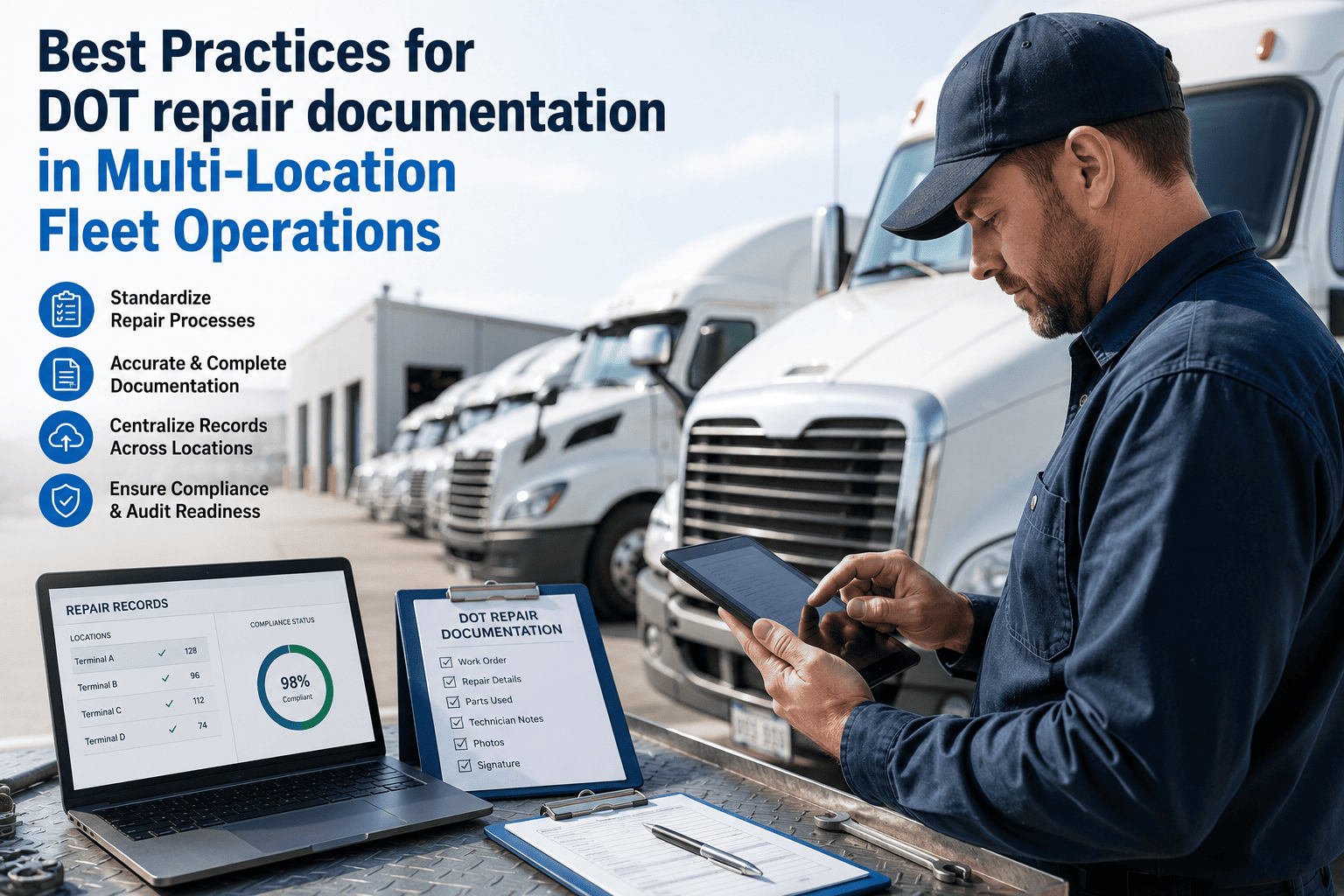
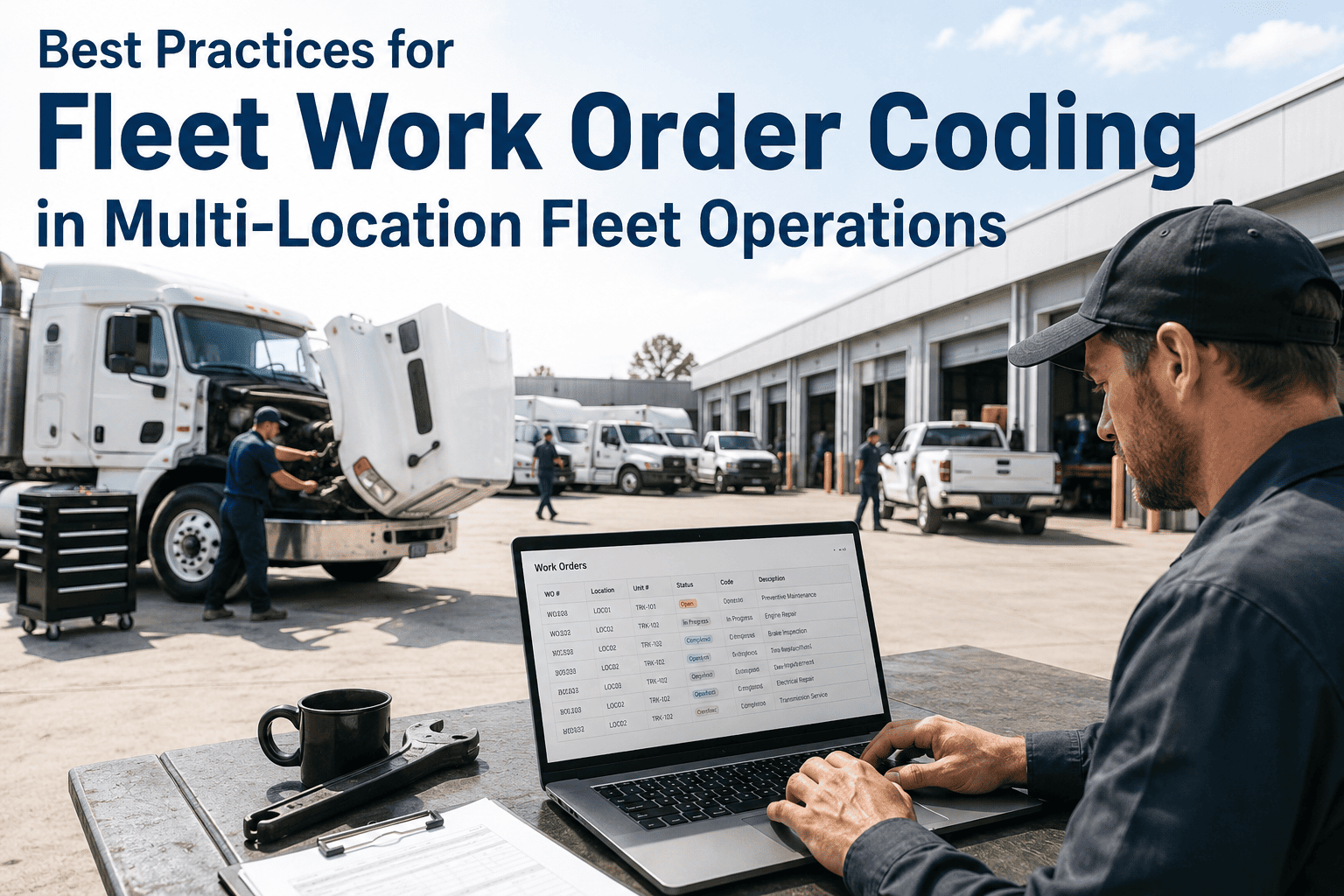
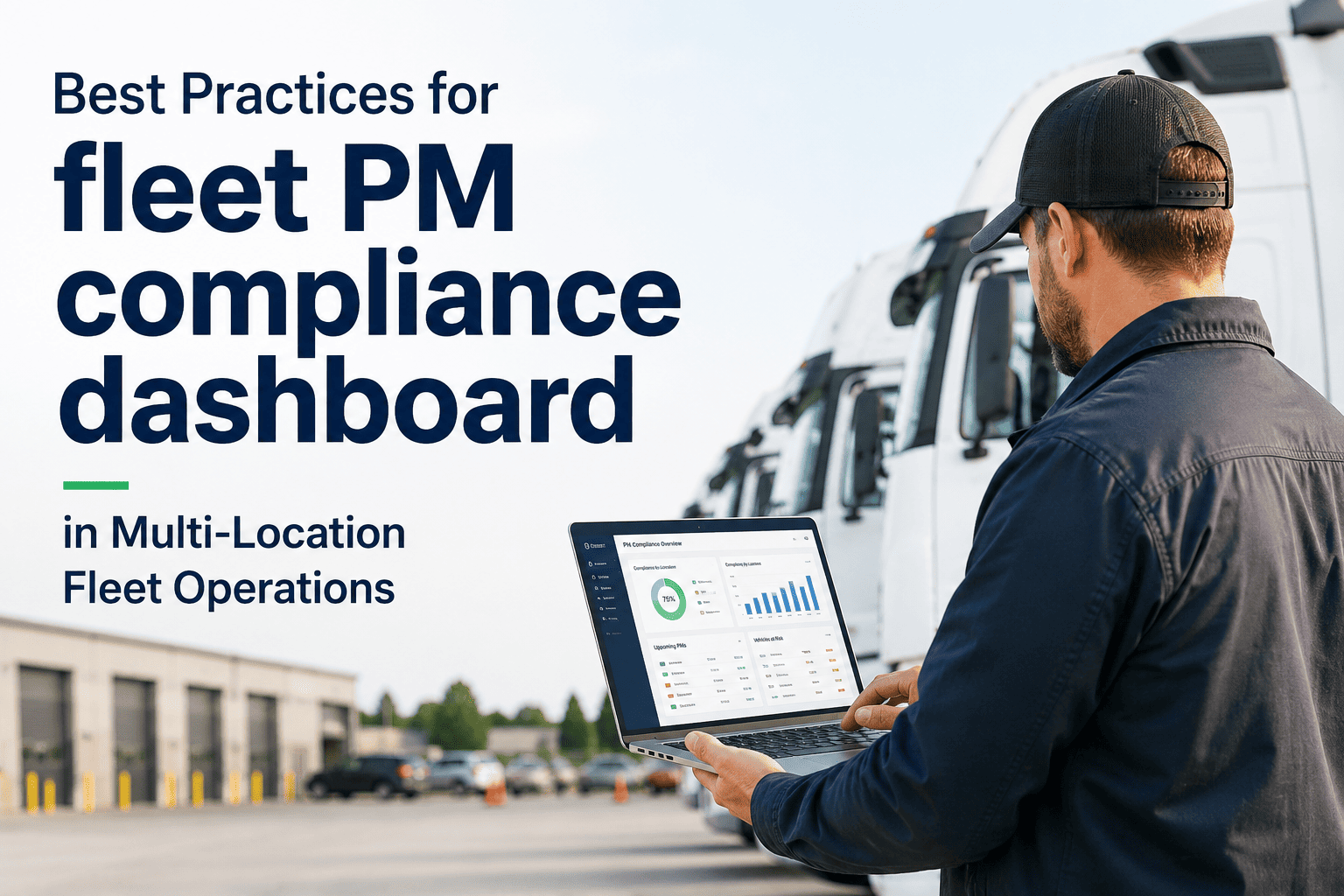
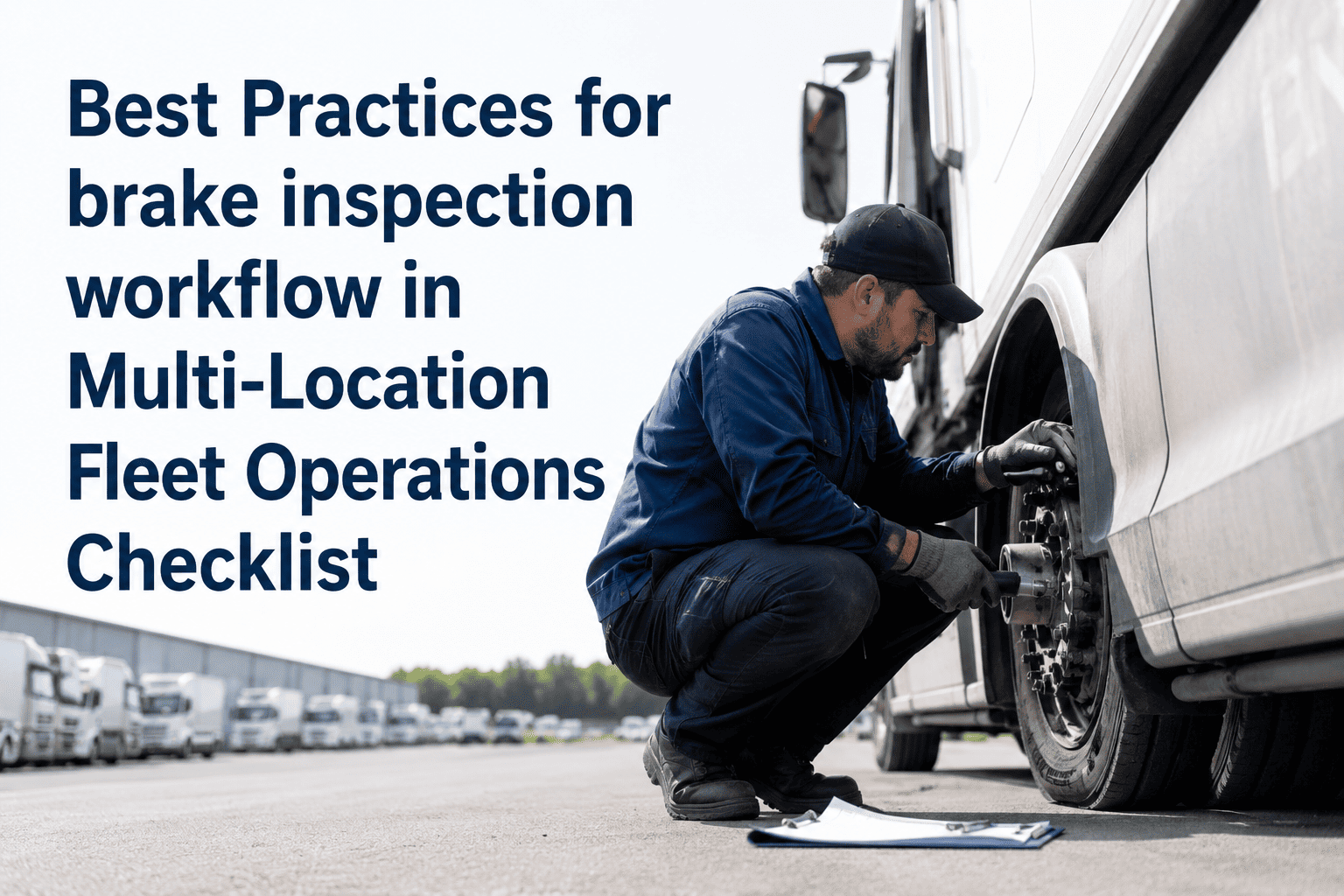
Managing tire maintenance across multiple depot locations is a fundamentally different problem than managing a single-site fleet. What works at one location — a particular vendor, inspection cadence, or technician workflow — breaks down when you try to apply it uniformly across locations with different climate conditions, route profiles, vehicle mixes, and local regulations. Fleets with three or more locations that run decentralized tire programs average 28% higher tire cost per mile than fleets running a centrally governed but locally executed program. The distinction matters: central governance means consistent standards, shared data, and group purchasing leverage. Local execution means the right people doing the work on the ground with the right authority to respond to their specific conditions. OxMaint is built for this model — one platform, every location, one source of truth for tire cost and compliance.
Multi-Location Fleet Operations · Tire Best Practices
Tire Maintenance at Scale: One Standard, Every Location
Most multi-location fleets have tire programs. Few have tire programs that perform consistently across all their locations. Here is what separates the best from the rest.
28%
Higher tire CPM in decentralized vs centrally governed programs
3.4x
More retread captures when casing tracking is standardized across locations
91%
Reduction in cross-location compliance variance with digital inspection platforms
The 7 Best Practices for Multi-Location Tire Maintenance
01
Standardize Intervals — Then Localize Severity Adjustments
Set one baseline schedule for each vehicle class across all locations: rotation at 25,000 miles, alignment at 50,000, inspection at every 10,000. Then build in adjustment rules for severe conditions. A location in Phoenix adding summer heat penalties, a mountain corridor depot shortening rotation intervals — these are local adjustments to a common standard, not separate programs.
Governance
02
Create a Master Vendor List with Location-Level Flexibility
Negotiate group pricing with two or three national tire suppliers to get volume leverage. Then allow each depot to use a local vendor for emergency replacements or specialty fitments — but only from an approved list. This captures the group purchasing savings without the service gaps that come from forcing every location to use one national supplier.
Procurement
03
Require Digital Inspection Completion Before Vehicle Dispatch
The single highest-impact change a multi-location fleet can make is linking pre-trip tire inspection completion to vehicle dispatch authorization. If the checklist is not completed and logged, the vehicle does not leave. This sounds disruptive — in practice, 3-minute digital inspections on mobile take less time than paper-based alternatives and catch far more issues.
Compliance
04
Build Cross-Location Tire Inventory Visibility
Multi-location fleets frequently order new tires at one depot when a usable tire is sitting in inventory at a location 40 miles away. A shared tire inventory dashboard eliminates duplicate purchasing. Locations can request transfers before buying new, and corporate can see total stock value and avoid over-procurement during price spikes.
Inventory
05
Assign Regional Tire Champions — Not Just a Central Manager
A central fleet tire manager cannot directly oversee 12 depots. The best multi-location programs appoint a tire champion at each location — typically a senior technician who owns local compliance, escalates to corporate on procurement decisions, and trains drivers on inspection standards. This role does not need to be a new hire; it is an accountability assignment within an existing role.
Accountability
06
Track Retread Casings Across the Entire Network
In multi-location fleets, casings often get discarded locally because no one knows a retread program exists or who to contact. Standardizing retread casing tracking — flagging candidates at the right tread depth, logging them centrally, and routing to approved retread vendors — can save $120–$200 per tire at scale. For a 100-vehicle fleet cycling 200 tires per year, that is $24,000–$40,000 annually.
Cost Recovery
07
Report on Location-vs-Location Tire Performance Monthly
Publish a monthly comparison of tire cost per mile, inspection completion rate, and roadside failures across all locations. This is the single most powerful driver of improvement in multi-location programs. Locations that see they are underperforming relative to peers — rather than just relative to a target — take corrective action faster. Data shared transparently creates internal accountability that no policy mandate can replicate.
Performance
OxMaint AI · Multi-Location Fleet Management
One Dashboard for Every Depot. One Standard for Every Tire.
OxMaint's multi-location architecture gives corporate visibility across all depots and local teams the tools they need to execute — without duplicate systems, email chains, or manual reporting.
Single-Location vs Multi-Location Tire Programs: Key Differences
Schedule Ownership
One manager, one location
Central standard + local champions
Vendor Relationships
Single vendor preferred
Group contracts + approved local list
Inspection Logging
Local system acceptable
Centralized platform required
Inventory Management
Local stock tracking
Cross-location shared visibility
Performance Reporting
Internal KPIs only
Location-vs-location benchmarking
Retread Program
Optional by local decision
Mandatory across all depots
Climate Adjustments
Single climate baseline
Per-depot adjustment rules
Common Pitfalls in Multi-Location Tire Programs
A
Assuming One Vendor Works Everywhere
National tire contracts often have geographic gaps in service response time. A depot in a rural area using a national vendor for emergency replacements can wait 4–6 hours longer than a local vendor would take. Build a two-tier vendor strategy: national for routine purchasing, approved local vendors for roadside and emergency response.
B
Letting Each Location Build Its Own Program
Decentralized programs feel like autonomy but create reporting silos. Corporate cannot compare locations, cannot identify which depot is outperforming and why, and cannot leverage group data for vendor negotiations. The result is 7 slightly different programs producing 7 incompatible data sets.
C
Not Accounting for Climate Variation in Intervals
A rotation interval that works for a temperate-climate depot will leave tires under-maintained at a high-heat or high-altitude location and over-maintained at a mild-climate location. Apply climate and terrain multipliers to your baseline intervals per depot — this is a one-time configuration step, not ongoing manual work when done in a digital platform.
D
Reporting Aggregate Fleet Numbers Instead of Per-Location
A fleet-wide tire CPM of $0.055 can hide one location running at $0.038 and another at $0.082. Aggregate metrics mask the outliers that need corrective attention. Per-location reporting is not more complex — it is more actionable, and in multi-depot operations it is the only version of the data that drives improvement.
How OxMaint Powers Multi-Location Tire Management
Centralized Dashboard
Fleet managers see all depots on one screen — inspection compliance rates, open work orders, tire CPM, and upcoming maintenance windows. Drill into any location with one click.
Location-Specific Scheduling
Each depot runs the same schedule baseline with its own severity adjustments, local technician assignments, and depot-specific vendor contacts. One standard, adapted intelligently per location.
Mobile Driver Checklists
Drivers at every location complete pre-trip inspections on mobile. Completion is logged, timestamped, and visible to both local managers and corporate — creating consistent accountability across the network.
Cross-Location Inventory
Tire stock at every depot is visible in one place. Transfers can be requested, approved, and tracked without phone calls or emails — reducing duplicate purchasing and emergency freight costs.
Location Benchmarking Reports
Monthly reports rank all locations on inspection compliance, CPM, and roadside failures. Underperforming depots are flagged automatically. Best-performing locations serve as internal benchmarks for the rest of the fleet.
Retread Casing Tracking
Casing candidates are flagged at every location, routed to the approved retread vendor, and tracked through the retread cycle. Savings vs new tire cost are recorded per depot and aggregated for the full fleet.
Frequently Asked Questions
How do we standardize tire schedules across locations with very different climates?+
Start with one baseline schedule per vehicle class, then define severity adjustment multipliers for heat, altitude, and route type. A depot in Phoenix might run rotations at 20,000 miles instead of 25,000. A mountain corridor depot shortens alignment checks. These adjustments are configured once in
OxMaint per depot — the system then schedules automatically at the adjusted intervals with no manual recalculation needed.
How do we handle tire procurement across multiple states with different vendors?+
Use a two-tier strategy. Negotiate group pricing with one or two national suppliers for routine procurement — volume consolidation typically yields 8–14% price reduction. Then maintain a short approved local vendor list for each depot for emergency and specialty needs. OxMaint's work order system logs which vendor fulfilled each job, so you can track compliance with preferred vendors and audit local vendor usage quarterly.
Book a demo to see vendor management in action.
What is the best way to compare tire maintenance performance across locations?+
Track three metrics per location monthly: tire cost per mile, roadside failure rate per 100,000 miles driven, and inspection completion rate. Compare locations on a normalized basis — cost per mile accounts for mileage differences between small and large depots. Publish results to location managers. Internal benchmarking drives faster improvement than any policy change.
How do we prevent over-purchasing tires when inventory exists at another location?+
Centralized inventory visibility in a shared platform is the only reliable solution. When a work order is generated for a tire replacement, the system should surface available inventory at nearby depots before a purchase order is created. OxMaint's
inventory module shows cross-location tire stock in real time, with a transfer request workflow that takes minutes to complete.
How many people does it take to manage a multi-location tire program?+
With a digital platform, one central fleet tire manager plus one local tire champion per depot is sufficient for most operations under 500 vehicles. The central manager sets standards, reviews cross-location reports, and handles vendor relationships. Local champions own day-to-day compliance and technician coordination. Without a platform, the same program requires 2–3x more administrative hours.
OxMaint AI · Multi-Location Tire Management
Your Best Location Is Proof Your Whole Fleet Can Do Better
In every multi-location fleet, one depot outperforms the rest on tire cost. OxMaint identifies what that location is doing differently, makes it the standard, and gives every other location the same tools to match it. The result is your best location's tire cost per mile — across the entire fleet.