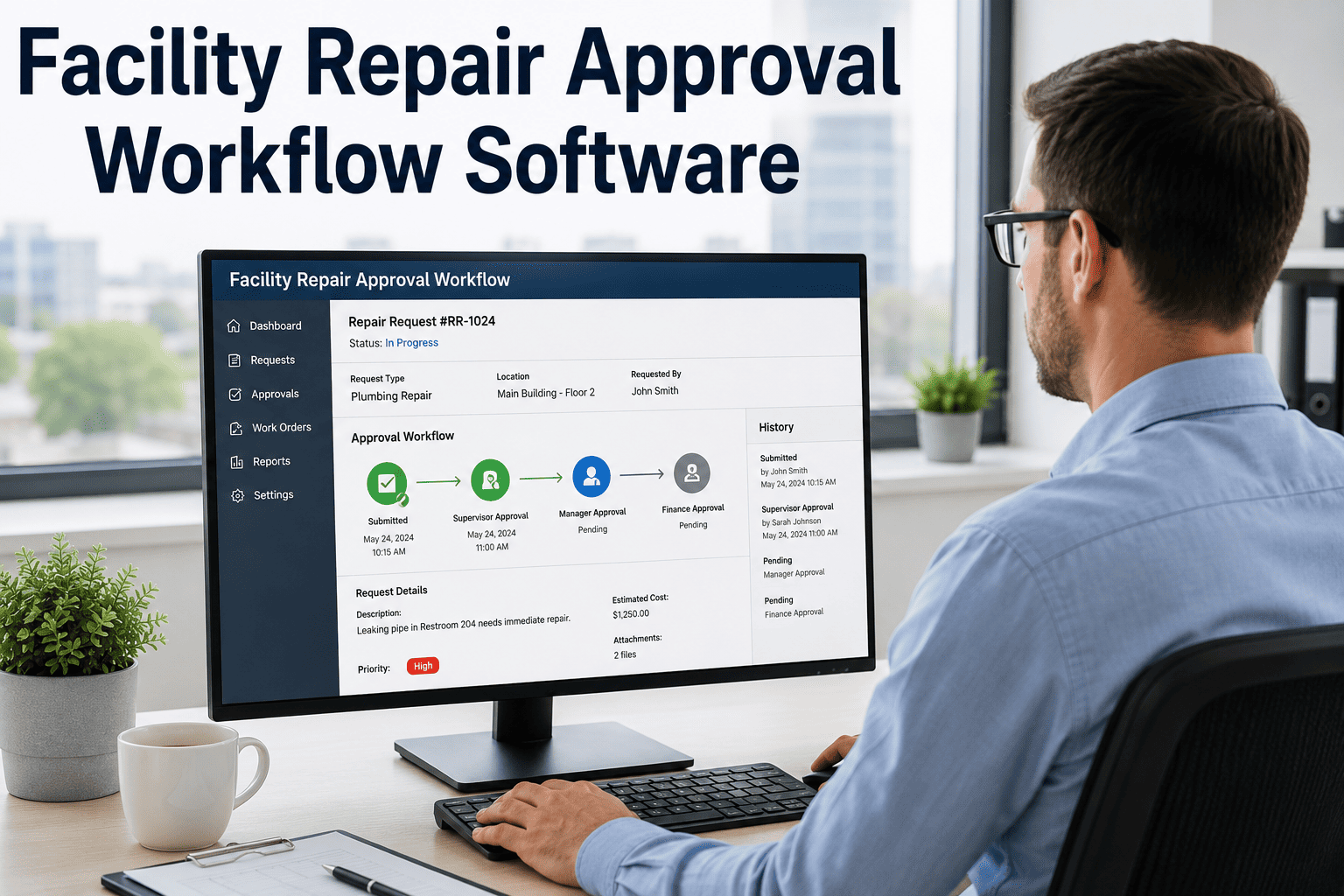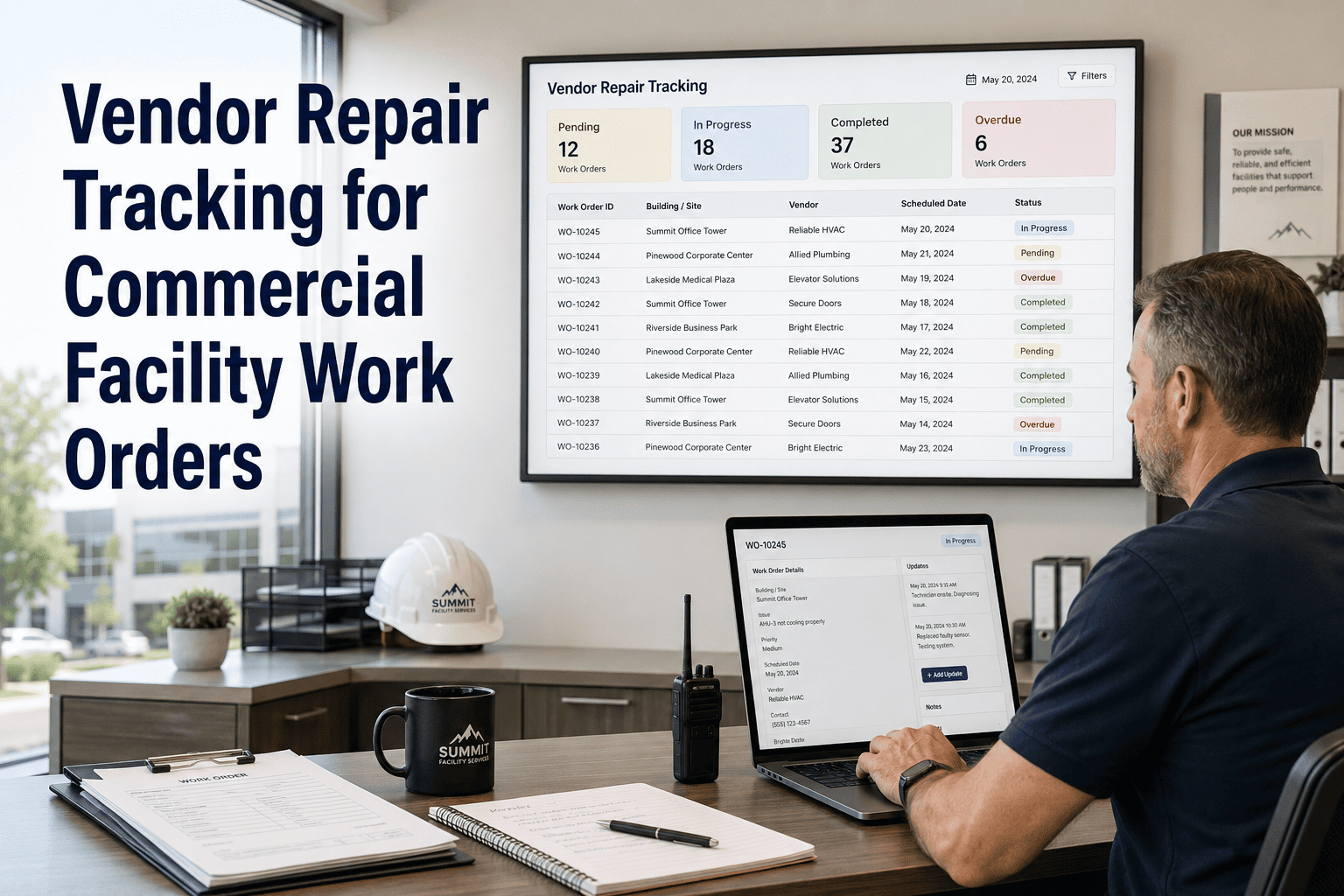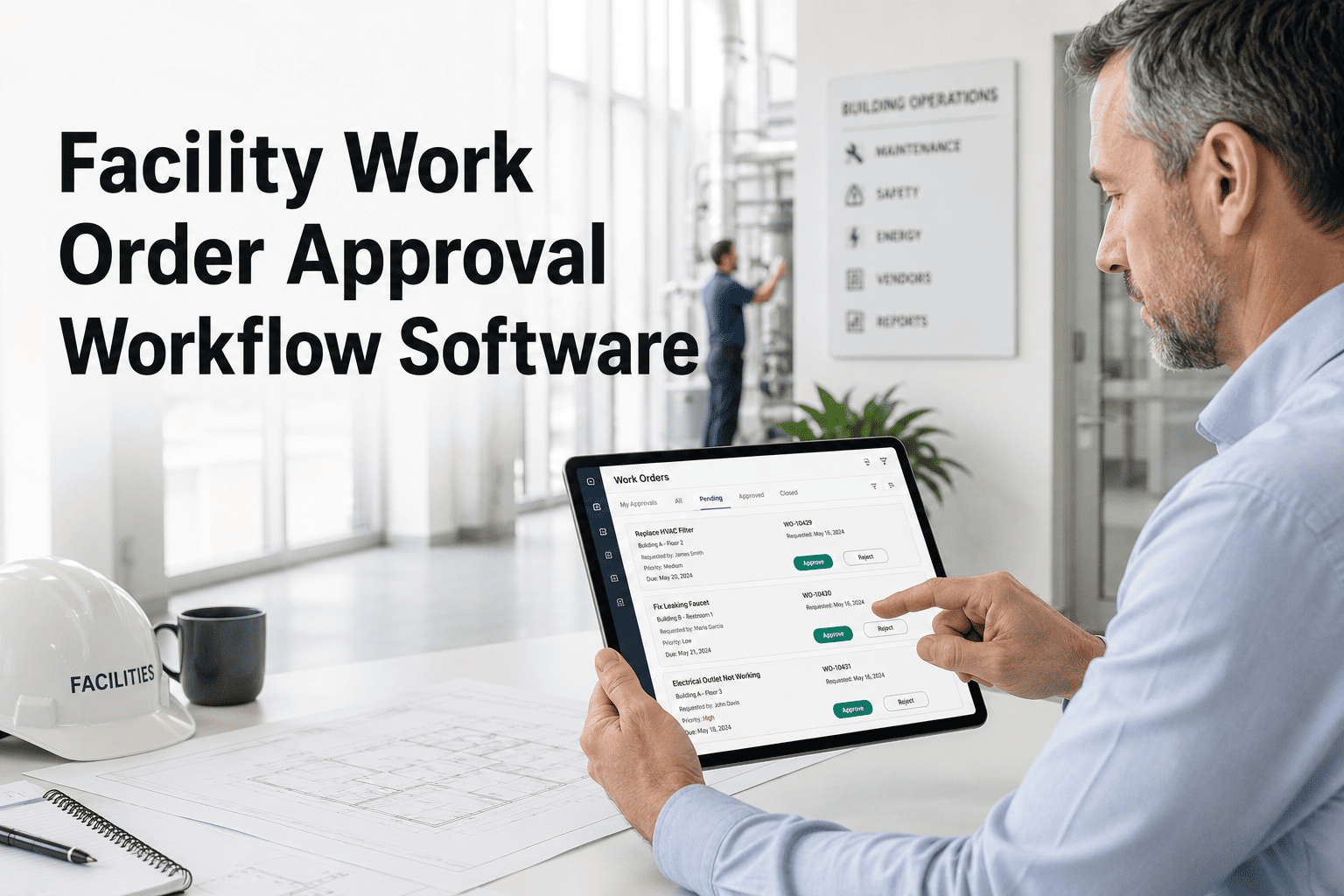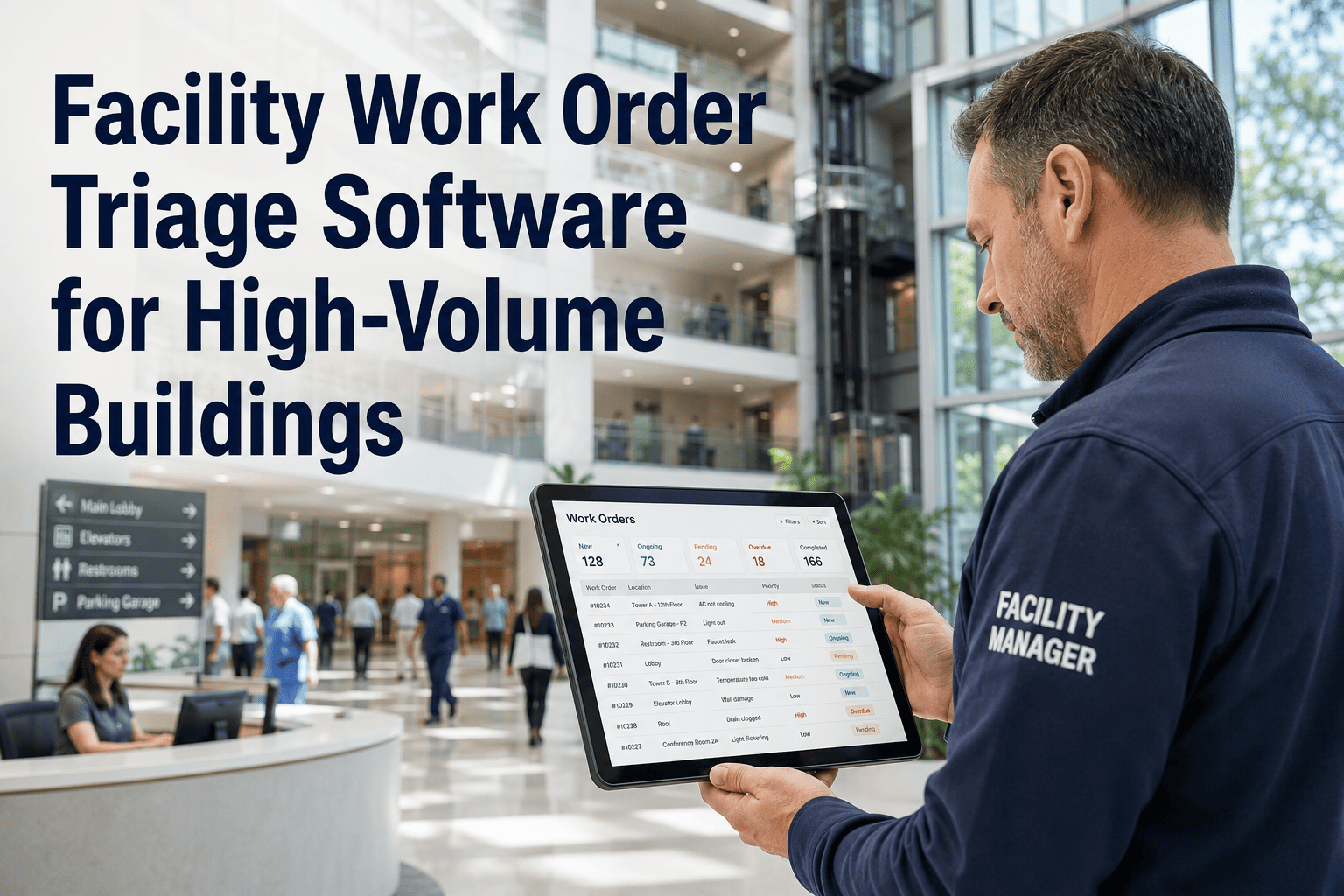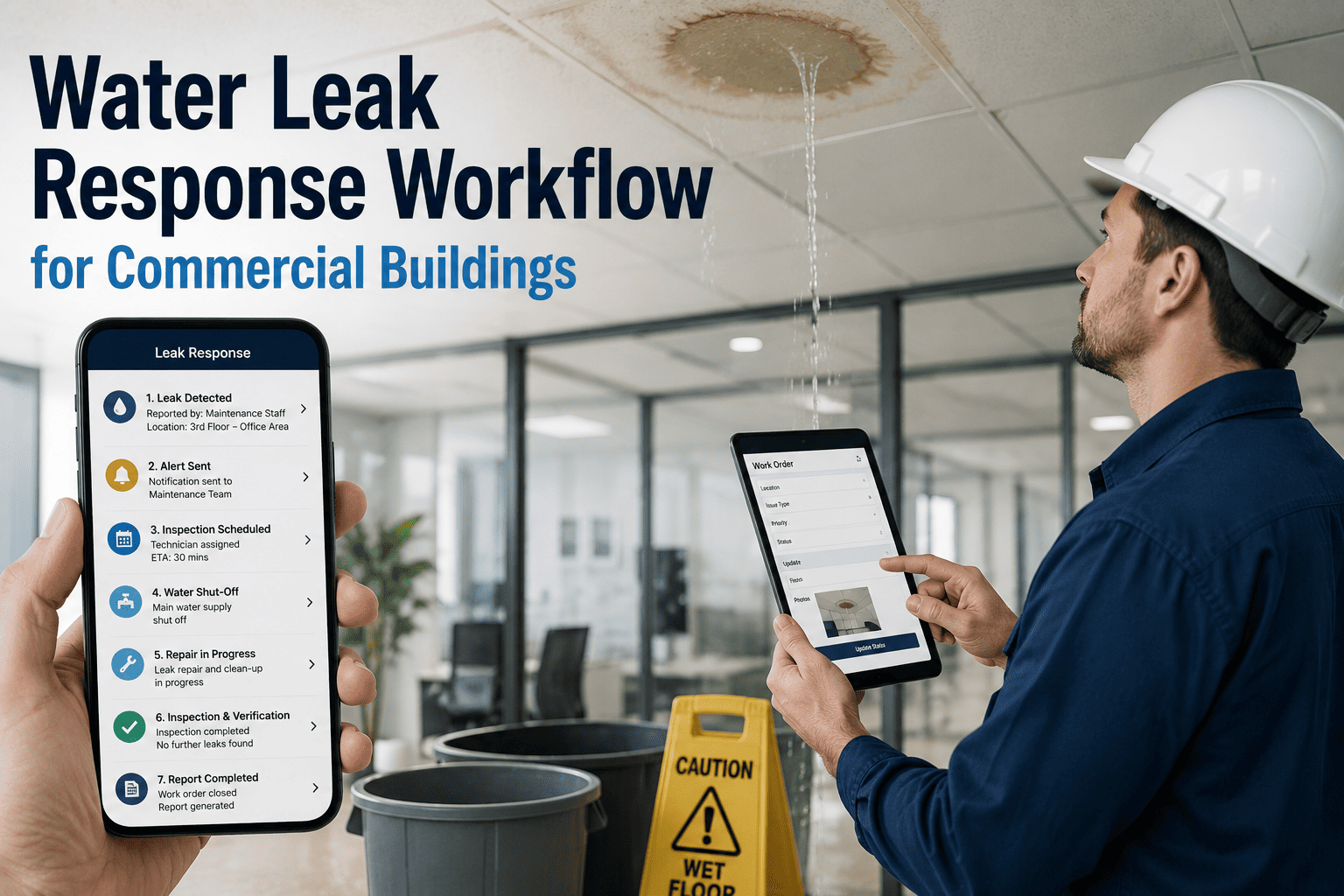
Water damage claims now account for more than half of all commercial property insurance claims, with an average payout of $13,954 per incident — and severe cases in facilities like healthcare buildings have reached $1.6 million for a single event. The physics never change: a cracked supply line loses roughly the same amount of water whether it is caught in 18 minutes or 31 hours. What changes everything is how fast the report reaches a technician, how fast a vendor gets dispatched, and how well the response gets documented afterward. OxMaint's water leak response workflow connects the report, the affected asset, the dispatch, and the restoration record into one thread — so the gap between "water detected" and "water contained" shrinks from hours to minutes. Book a demo to see the workflow built for your building.
The Leak Doesn't Get More Expensive. Your Response Time Does.
Roughly 300 leaks occur in U.S. commercial buildings every single day. The building rarely changes what a leak costs — the response does. A leak caught in the first hour is a repair. The same leak found a day later is a claim, a shutdown, and a very uncomfortable call to your insurer.
The Same Leak, Two Very Different Bills
A real incident from a facility team's response log: a hairline crack in a supply line, caught by a maintenance supervisor at 2:47 AM and resolved before sunrise. The same crack, discovered during Monday morning rounds instead, would have run for over a day.
The Five-Step Response Workflow
Every minute in a water leak response either gets absorbed by a structured workflow or lost chasing down who's available, which vendor to call, and where the shutoff valve is. Here is the sequence that keeps that time on your side.
Report
Leak reported by sensor, occupant, or technician, logged against the specific asset and zone instantly.
Dispatch
Nearest available technician or emergency vendor is auto-assigned based on proximity and skill match.
Contain
Shutoff location, affected assets, and containment steps are pulled up on the technician's device before arrival.
Restore
Drying, repair, and restoration vendors are coordinated and tracked against the same work order.
Document
Photos, costs, and root cause are attached to the asset record for insurance and future prevention.
Every Minute Your Response Takes Has a Dollar Value
OxMaint routes leak reports straight to the nearest technician, surfaces the shutoff location and affected assets instantly, and keeps every vendor and repair on one work order.
Where Commercial Leaks Actually Start
Toilets are the leading internal cause of water loss in commercial buildings, but the highest-cost incidents tend to come from the sources nobody checks on a routine basis.
| Leak Source | Typical Detection Method | Risk if Undetected |
|---|---|---|
| Restroom fixtures | Occupant report, routine inspection | Steady water waste, moderate cost |
| Supply line joints (behind walls) | Rarely detected until visible damage | High — weeks of hidden saturation |
| HVAC condensation lines | Ceiling stains, musty odor | High — mold growth within 24–48 hours |
| Roof membrane / flashing | Storm-triggered inspection only | Severe — structural and inventory loss |
| Mechanical room pipework | Minimal supervision, low foot traffic | Severe — can run undetected for days |
Expert Review
The facilities that get burned by water damage almost never have a maintenance problem — they have a routing problem. The leak gets reported, and then it sits in someone's inbox or gets relayed through three phone calls before a technician actually knows where to go and what valve to shut. By the time all of that sorts itself out, you've lost the window where this was a cheap fix. The buildings that handle water leaks well have one thing in common: the report, the asset location, the shutoff instructions and the assigned technician are all in the same place, the second the alert goes out.
Frequently Asked Questions
Do we need leak sensors installed for this workflow to work?
No. The workflow works with sensor alerts, occupant reports, or technician rounds as the trigger. Sensors shorten detection time, but the response structure works with whatever reporting method you already have. Start free to set up your first reporting channel.
How does OxMaint decide which technician or vendor to dispatch?
Dispatch logic checks technician proximity, current workload, and skill match against the leak type and zone. Outside vendors can be looped in on the same work order when the issue needs specialized restoration work. Book a demo to see dispatch rules configured for your building.
Will this documentation actually hold up for an insurance claim?
Every response captures timestamped photos, technician notes, cost records and root cause on the same work order. That timeline is exactly the evidence adjusters ask for when reviewing a water damage claim.
Can we track repeat leak locations to catch recurring problem spots?
Yes. Every leak is logged against its asset and zone, so recurring incidents in the same mechanical room or supply line surface automatically. That pattern is usually the first sign a section of plumbing needs replacement, not another repair. Book a demo to see the recurring-incident view.
The Next Leak Is Already 300 Buildings Deep Into Today's Average
OxMaint gets the report, the location, the technician, and the documentation working together from the first alert — so the next leak in your building costs a repair bill, not a claim.