Emergency preparedness is not a one-time inspection — it is a continuous maintenance discipline. Generators that have not been load-tested in 90 days, fire extinguishers not checked since last year's audit, emergency lighting that has been on a manual inspection route since 2021 — these are not edge cases, they are the standard state of facilities that rely on route-based inspection without digital tracking. When the incident actually happens, undocumented and untested equipment fails exactly when it is needed most, creating both life safety risk and regulatory liability. Oxmaint's facility emergency preparedness maintenance software schedules, tracks, and documents every test, inspection, and maintenance task for generators, fire systems, emergency exits, alarms, water systems, and response equipment — with compliance evidence ready before any audit or incident review. Book a demo to see how facility teams build emergency readiness programmes that survive real inspections and real incidents.
Emergency Readiness
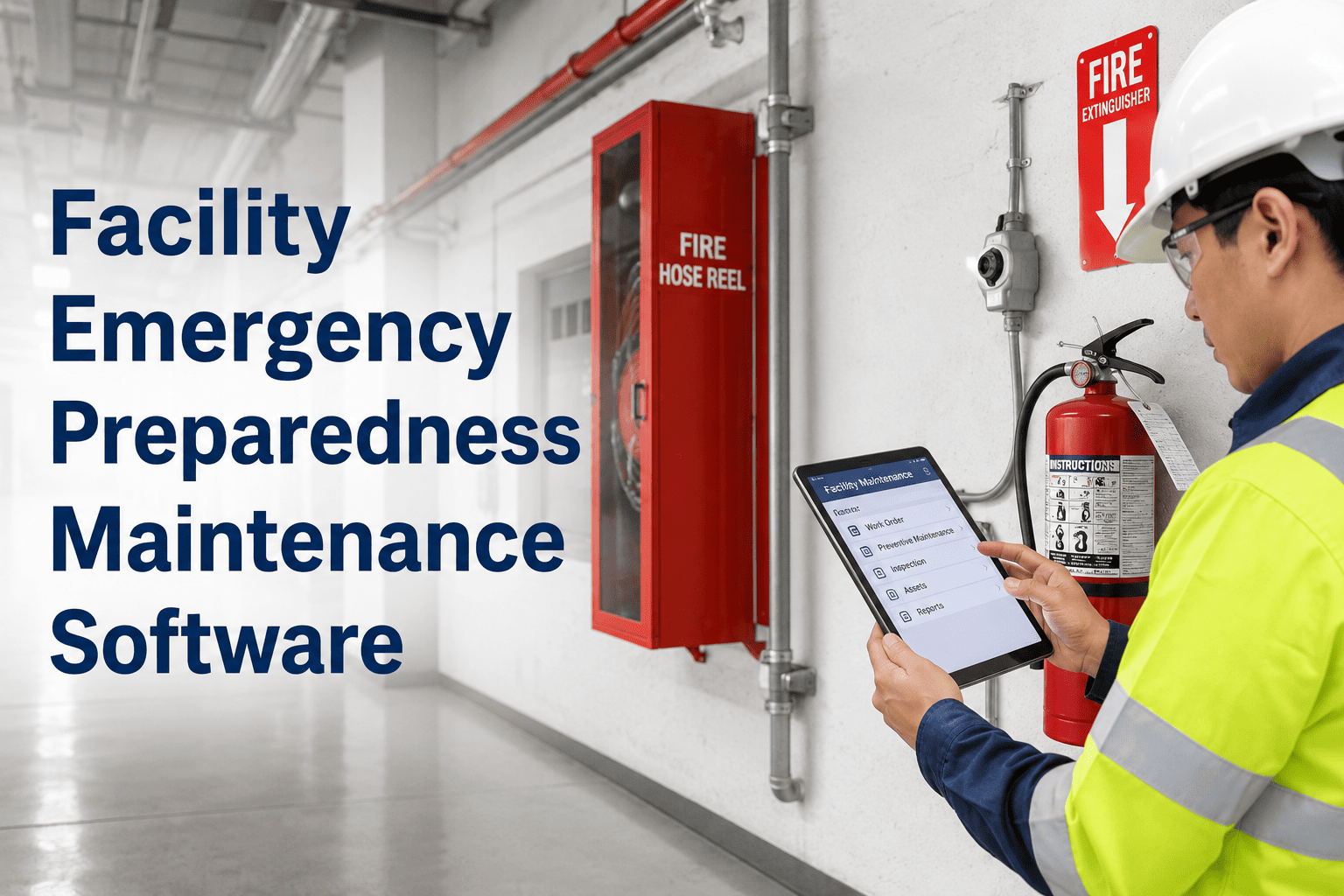
Facility Emergency Preparedness Maintenance Software
Scheduled maintenance for generators, fire exits, emergency lighting, alarms, and life safety systems — with compliance documentation built into every completed task.
68%
of facilities fail at least one emergency system check during unannounced audits
90 Days
Maximum interval for generator load testing under most building codes
100%
Compliance documentation rate when maintenance is tracked in Oxmaint
Compliance Management
Emergency Systems That Must Be Maintained on Schedule — Not When Remembered
GEN
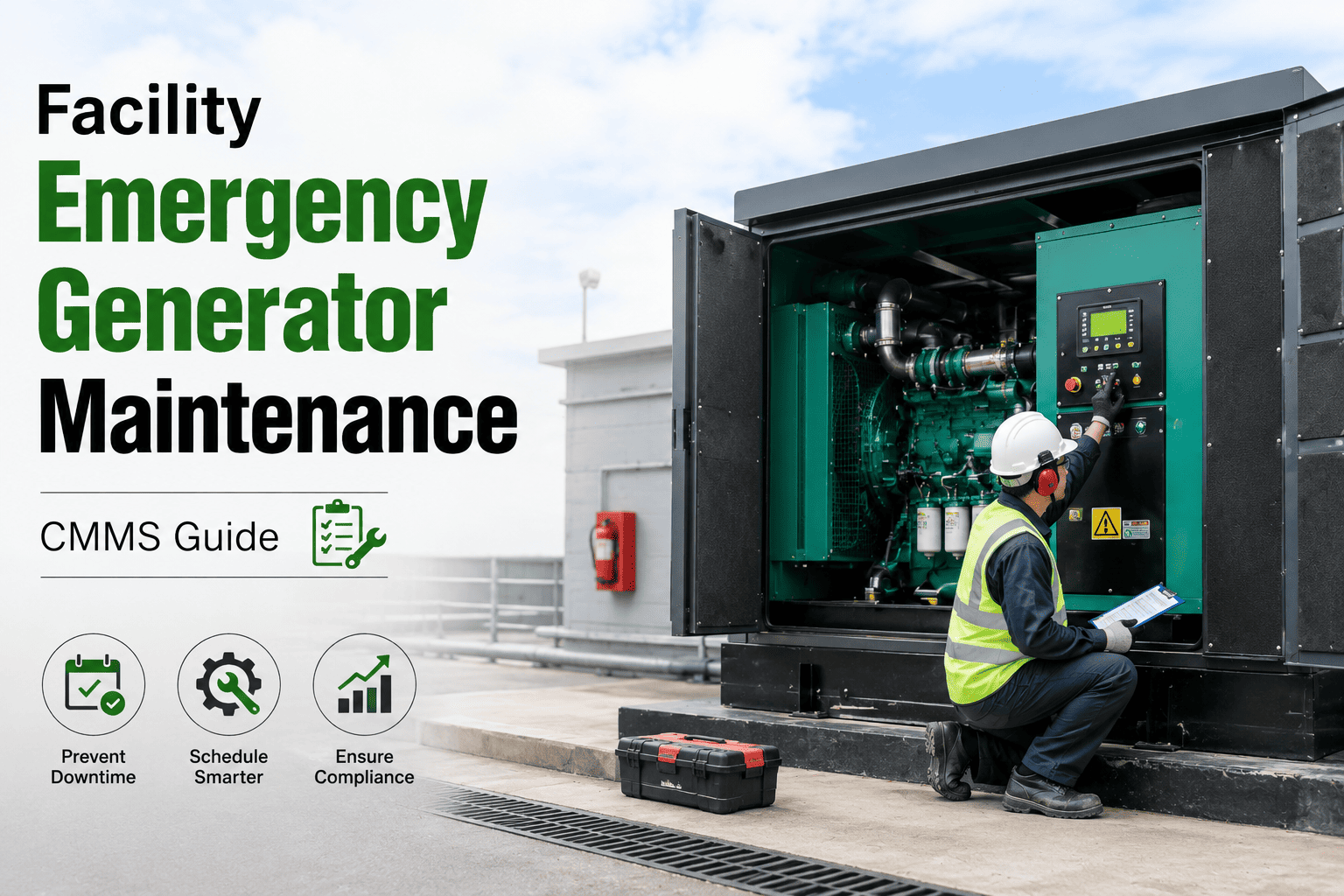
Emergency Generators
Weekly visual inspection and fuel level check
Monthly no-load test run (30 minutes minimum)
Quarterly load bank test at rated capacity
Annual full-load transfer switch verification
FIRE
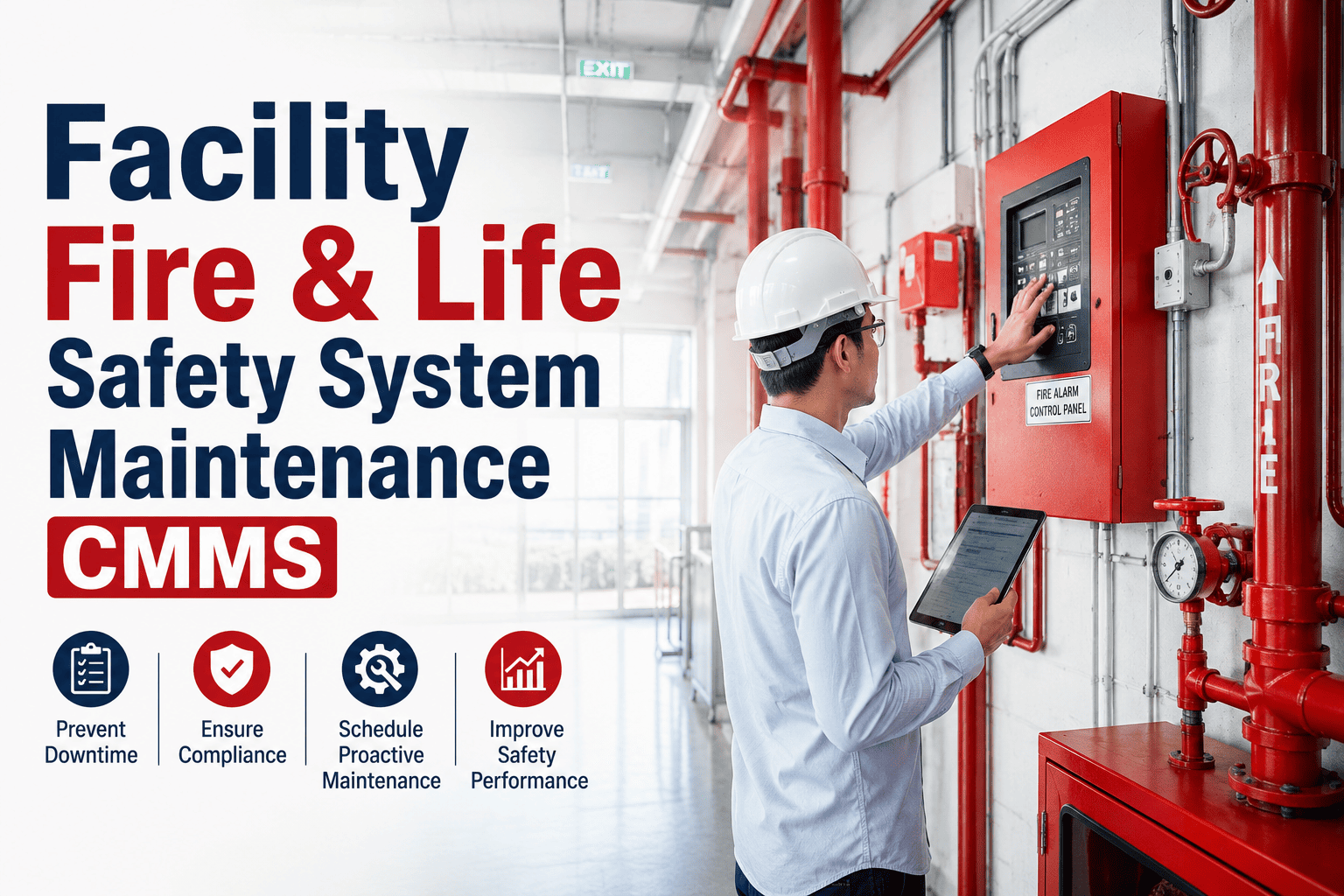
Fire Detection and Suppression
Monthly fire extinguisher visual inspection
Quarterly sprinkler system pressure test
Semi-annual fire alarm panel and detector test
Annual fire suppression system certification
EXIT
Emergency Exits and Egress
Monthly exit door operation and signage check
Monthly emergency lighting 30-second function test
Annual emergency lighting 90-minute battery test
Quarterly stairwell and corridor clear inspection
H2O
Water and Plumbing Safety
Weekly Legionella flushing for low-use outlets
Monthly water temperature monitoring and logging
Quarterly water storage tank inspection
Annual backflow preventer test and certification
Compliance inspection
Emergency Preparedness Maintenance Schedule — What Oxmaint Tracks Automatically
| Equipment / System |
Frequency |
Regulatory Standard |
Failure Risk if Missed |
Oxmaint Automation |
| Emergency generator |
Weekly + Monthly + Quarterly |
NFPA 110 / IBC |
Power failure during incident |
Scheduled PM + load test work order |
| Fire alarm system |
Semi-annual + Annual |
NFPA 72 |
Undetected fire event |
Contractor-routed test work order |
| Sprinkler system |
Quarterly + Annual |
NFPA 25 |
Suppression failure |
Inspection schedule + cert upload |
| Emergency lighting |
Monthly + Annual |
NFPA 101 / IFC |
Egress failure in outage |
90-min test PM with pass/fail log |
| Fire extinguishers |
Monthly visual + Annual service |
NFPA 10 |
Non-functional at point of use |
Barcode scan inspection + expiry alert |
| Water systems (Legionella) |
Weekly flushing |
ASHRAE 188 |
Legionella outbreak liability |
Weekly recurring task + temp log |
Emergency preparedness that holds up when auditors — or incidents — arrive unannounced
Oxmaint schedules, assigns, and documents every life safety maintenance task with the compliance evidence needed to pass any inspection.
Expert Review
What Facility Compliance Teams Experience
"We had a fire authority inspection that arrived with 24 hours notice. Before Oxmaint, that would have meant a weekend of scrambling to produce inspection logs. We pulled the full 12-month emergency system maintenance record from Oxmaint in 10 minutes — every test, every pass/fail result, every certificate — and passed without a single finding. That is the difference between compliance management and compliance theatre."
CO
Compliance Officer
Hospitality Group, 6 Properties
"Generator maintenance was our biggest emergency preparedness gap. We had four generators across the campus and no centralised schedule. After two years without a proper load test on one unit, it failed during a real power event. After deploying Oxmaint, every generator has a scheduled weekly check, monthly no-load run, and quarterly load test — all auto-assigned to the right technician with results logged and available to our insurers on request."
EM
Engineering Manager
University Campus Facilities
FAQ
Frequently Asked Questions
Can Oxmaint generate a compliance report showing all emergency system maintenance completed in the past 12 months?
Oxmaint's compliance reporting generates audit-ready emergency maintenance records with date-filtering, system type filtering, and pass/fail status for every completed task. Reports can be exported as PDF or CSV, and include technician name, completion timestamp, any attached inspection photos, and certificate upload references. This report structure satisfies fire authority, insurance, and local authority audit requirements in most jurisdictions without any additional formatting or manual compilation.
How does Oxmaint handle the different inspection frequencies for different emergency systems?
Oxmaint schedules maintenance tasks by frequency tier — weekly, monthly, quarterly, semi-annual, and annual — independently per equipment type. Each emergency system asset has its own maintenance calendar configured against the relevant regulatory standard, so a generator gets its weekly check, monthly no-load test, and quarterly load test scheduled separately with independent completion tracking.
Book a demo to walk through emergency system schedule configuration for your building type.
What happens when an emergency system fails an inspection or test?
When a technician logs a fail result for any emergency system inspection in Oxmaint, the platform immediately creates a corrective work order with a risk flag, notifies the facility manager and compliance officer, and sets an escalation timer based on the system's criticality classification. For life safety systems, failed inspections trigger priority routing to ensure the defect is corrected and re-inspected within the timeframe required by the relevant regulation — with the complete fail-correct-re-inspect sequence documented in the asset's compliance record.
Every emergency system tested, documented, and ready — before the inspection, not after
Oxmaint automates the scheduling, assignment, and compliance documentation for every life safety maintenance task in your facility — generators, fire systems, emergency exits, alarms, and water safety.