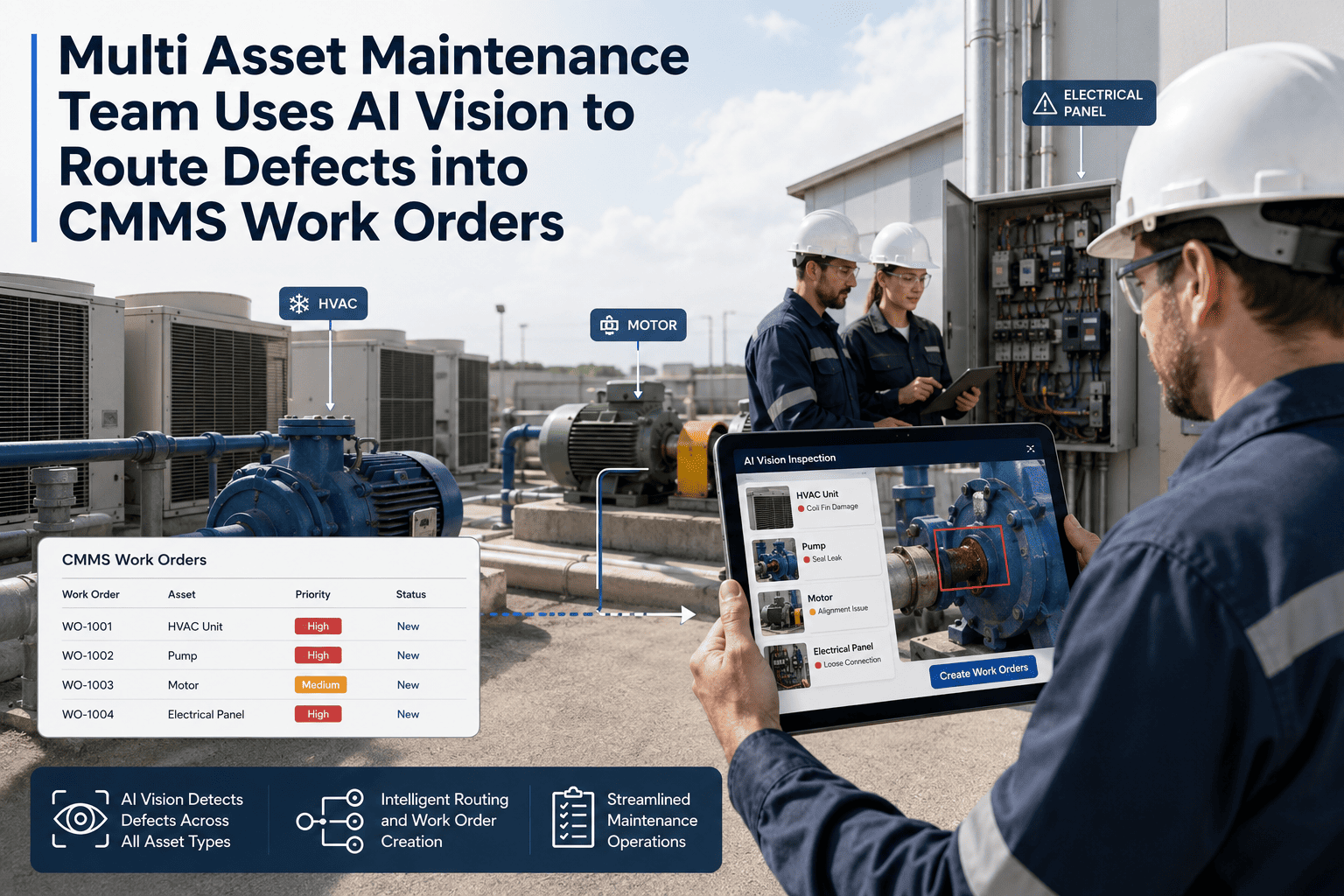
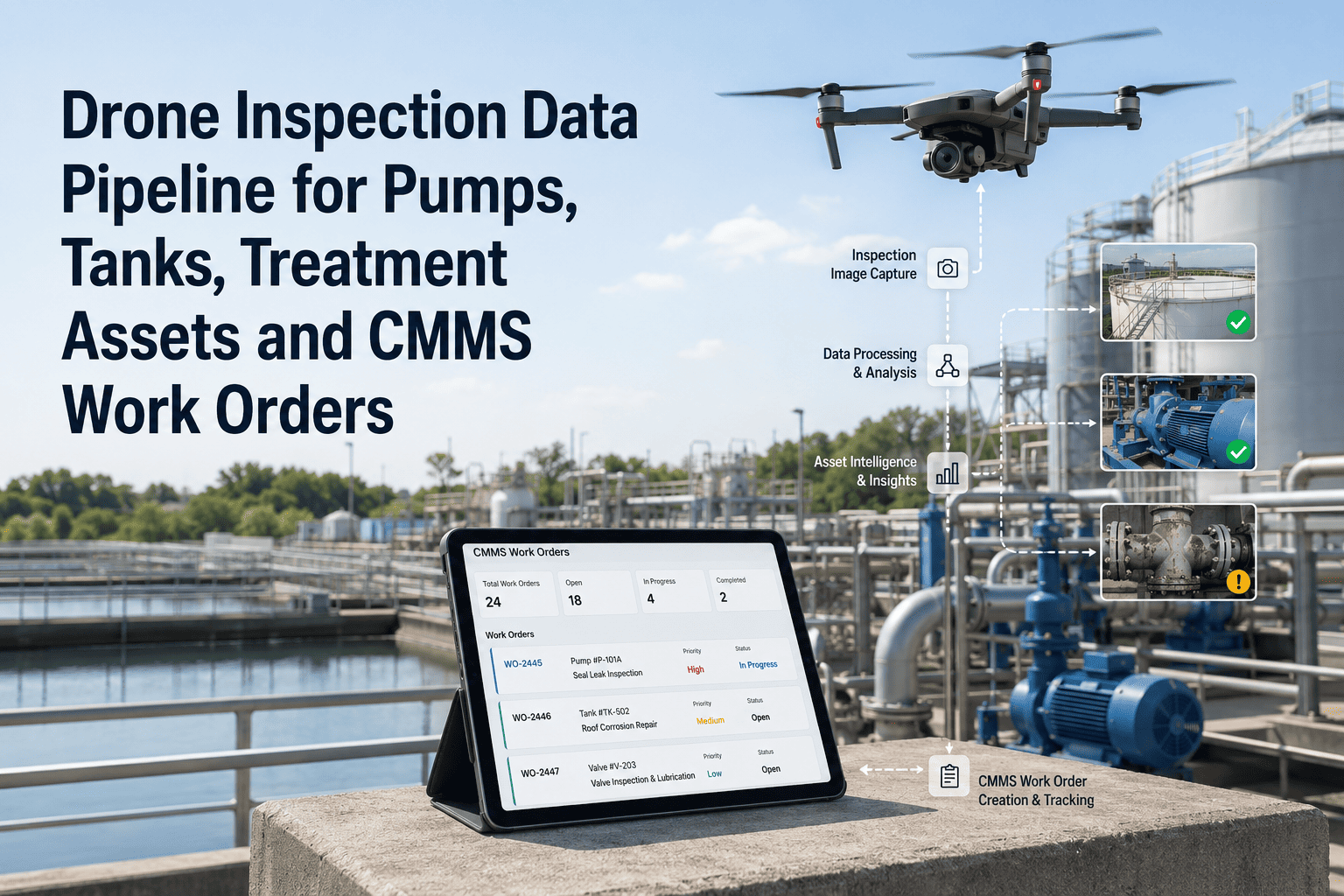
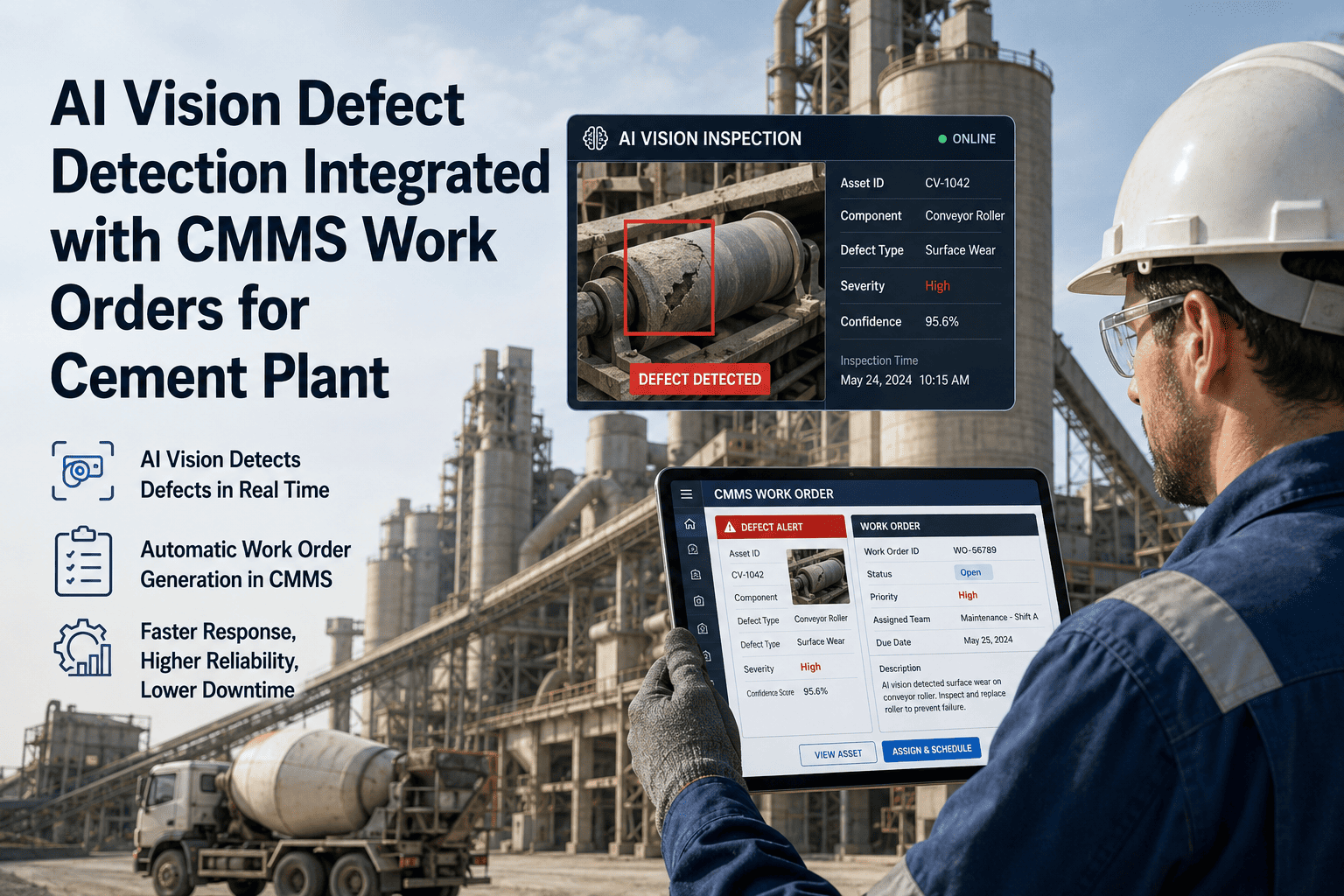
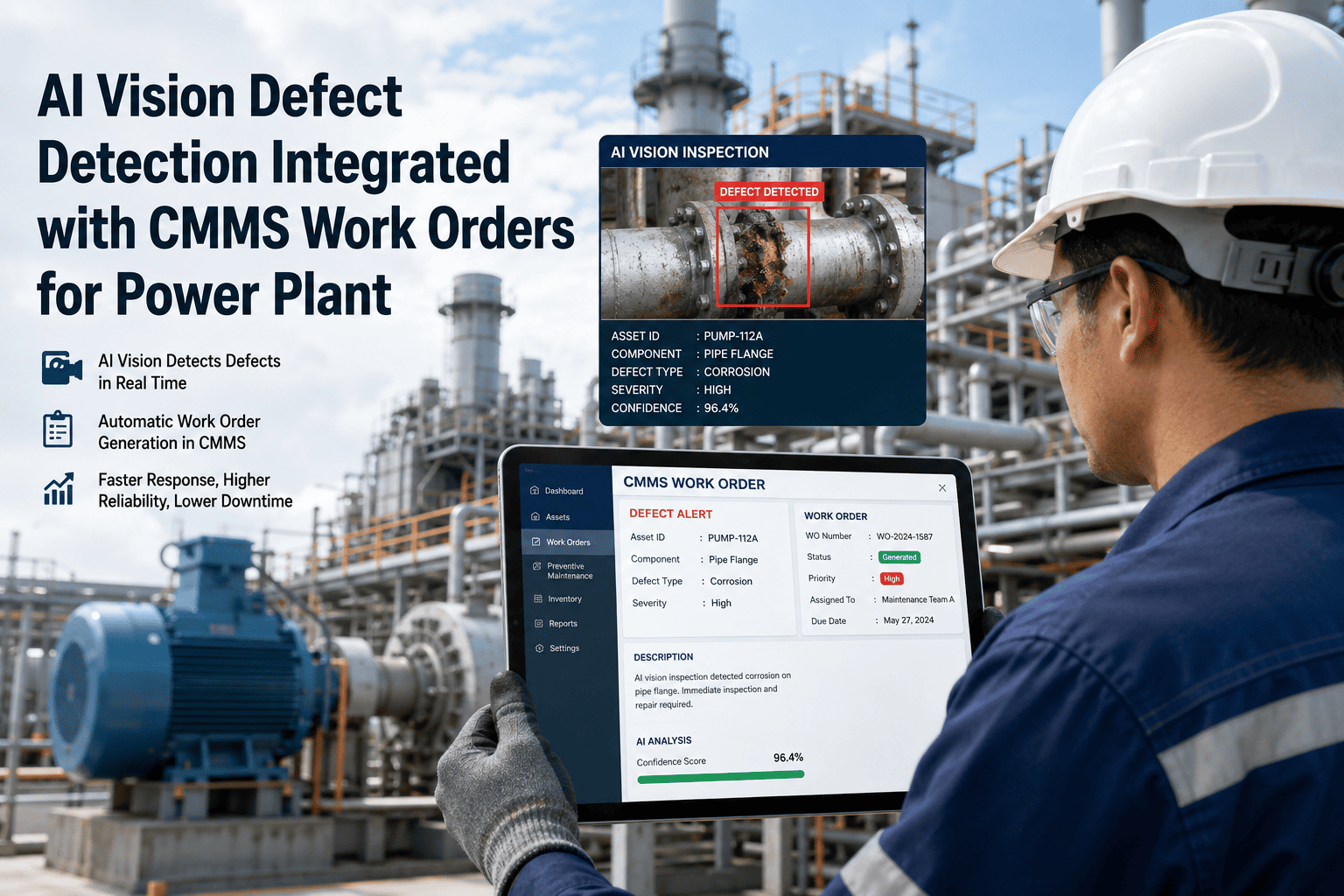
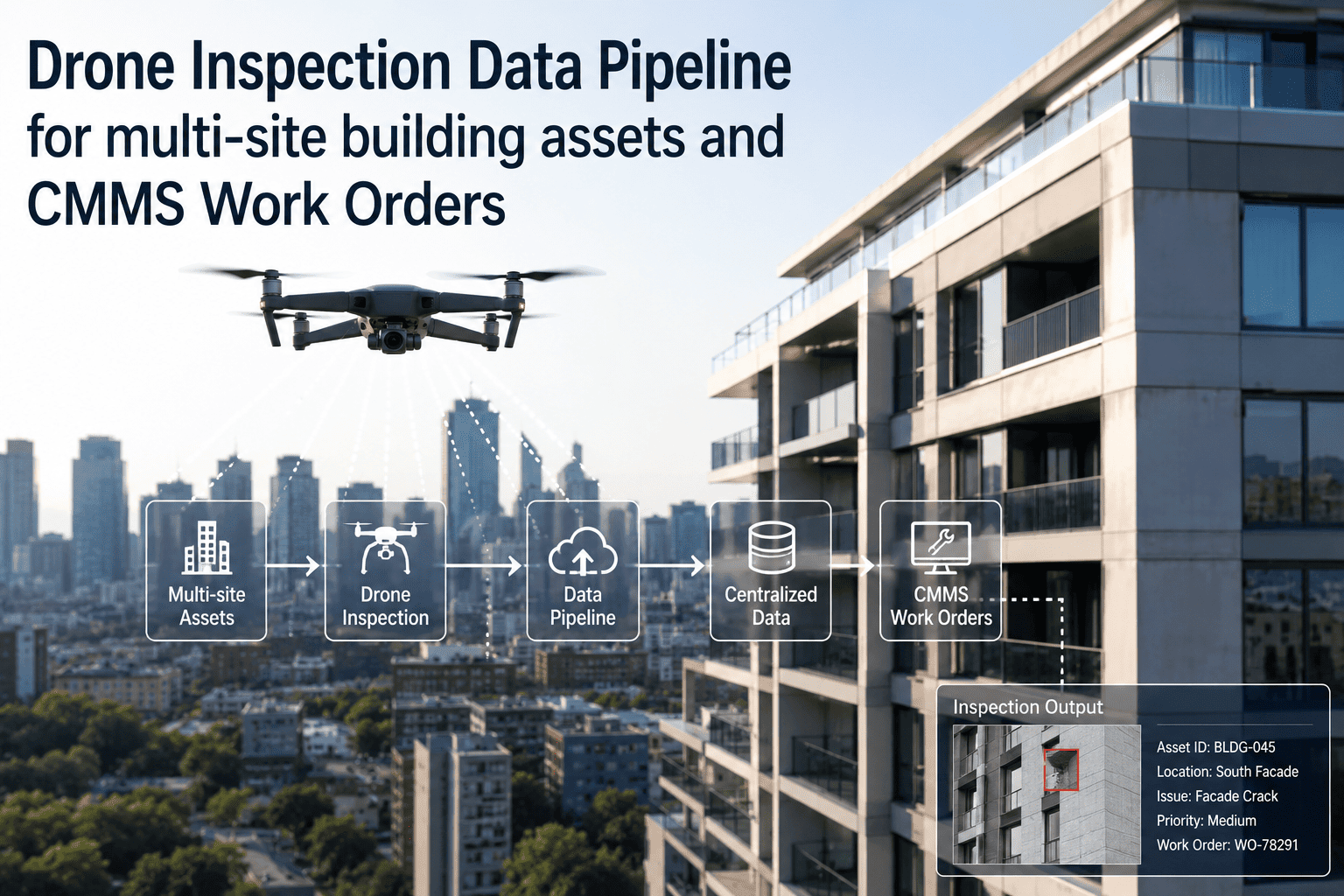
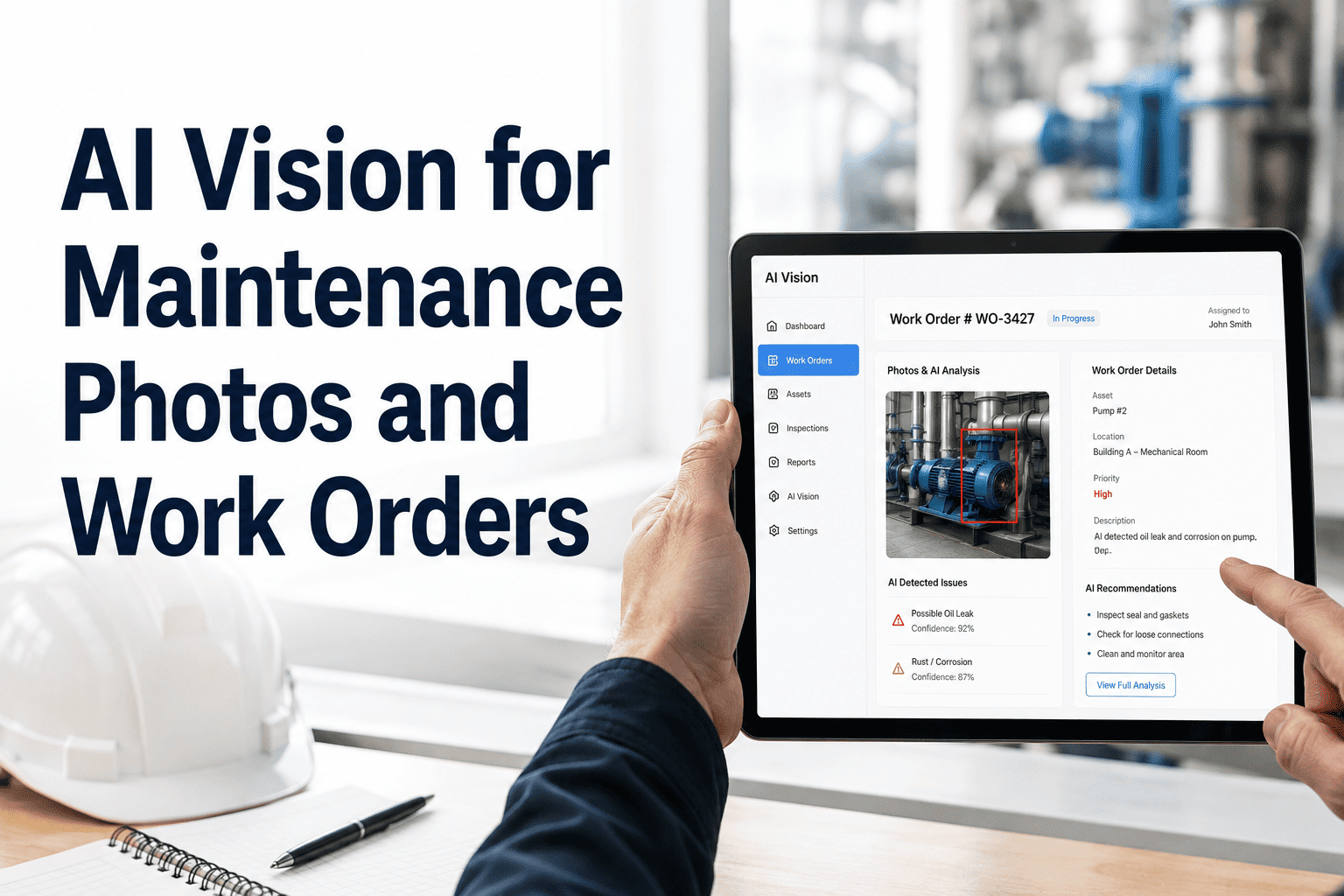
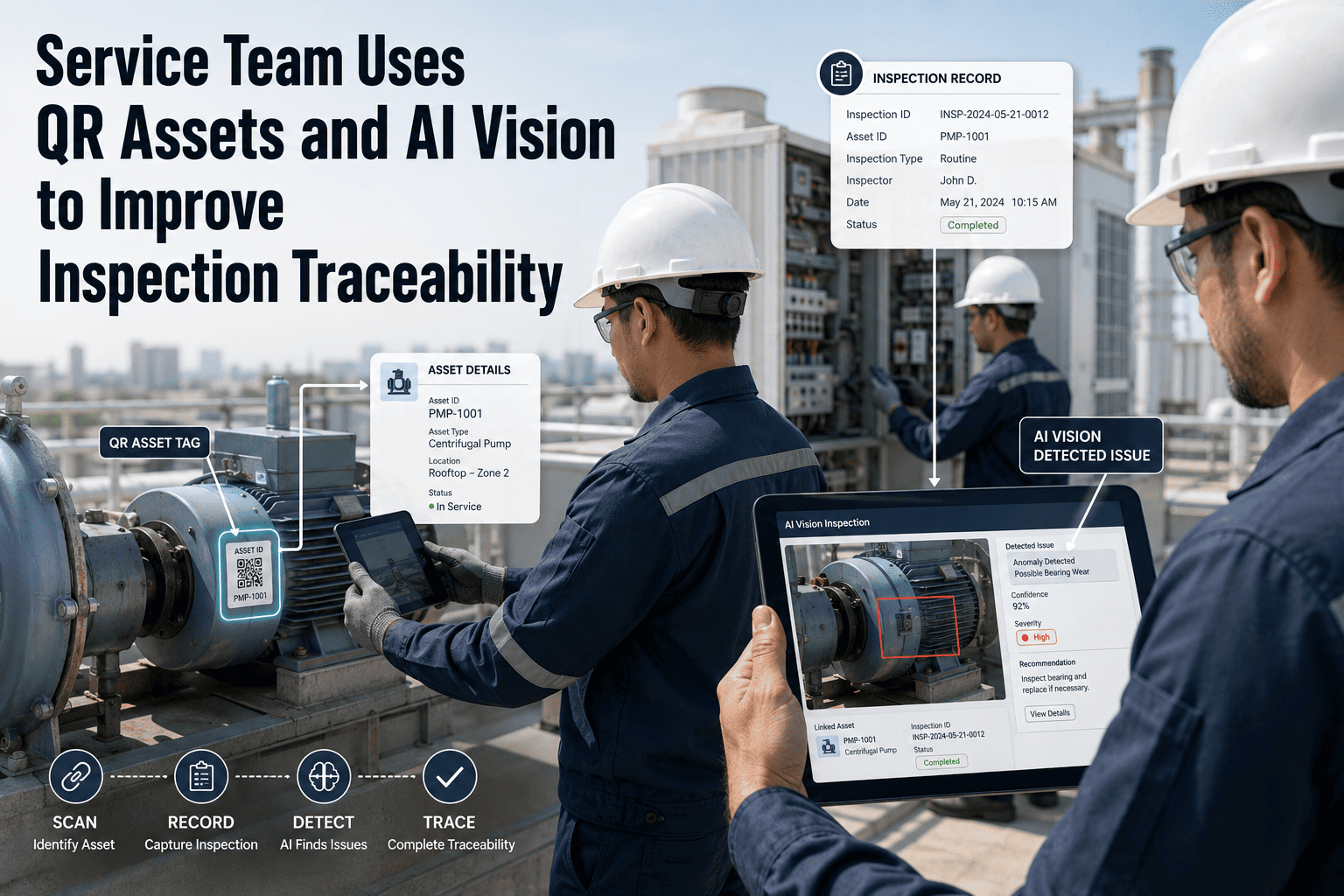
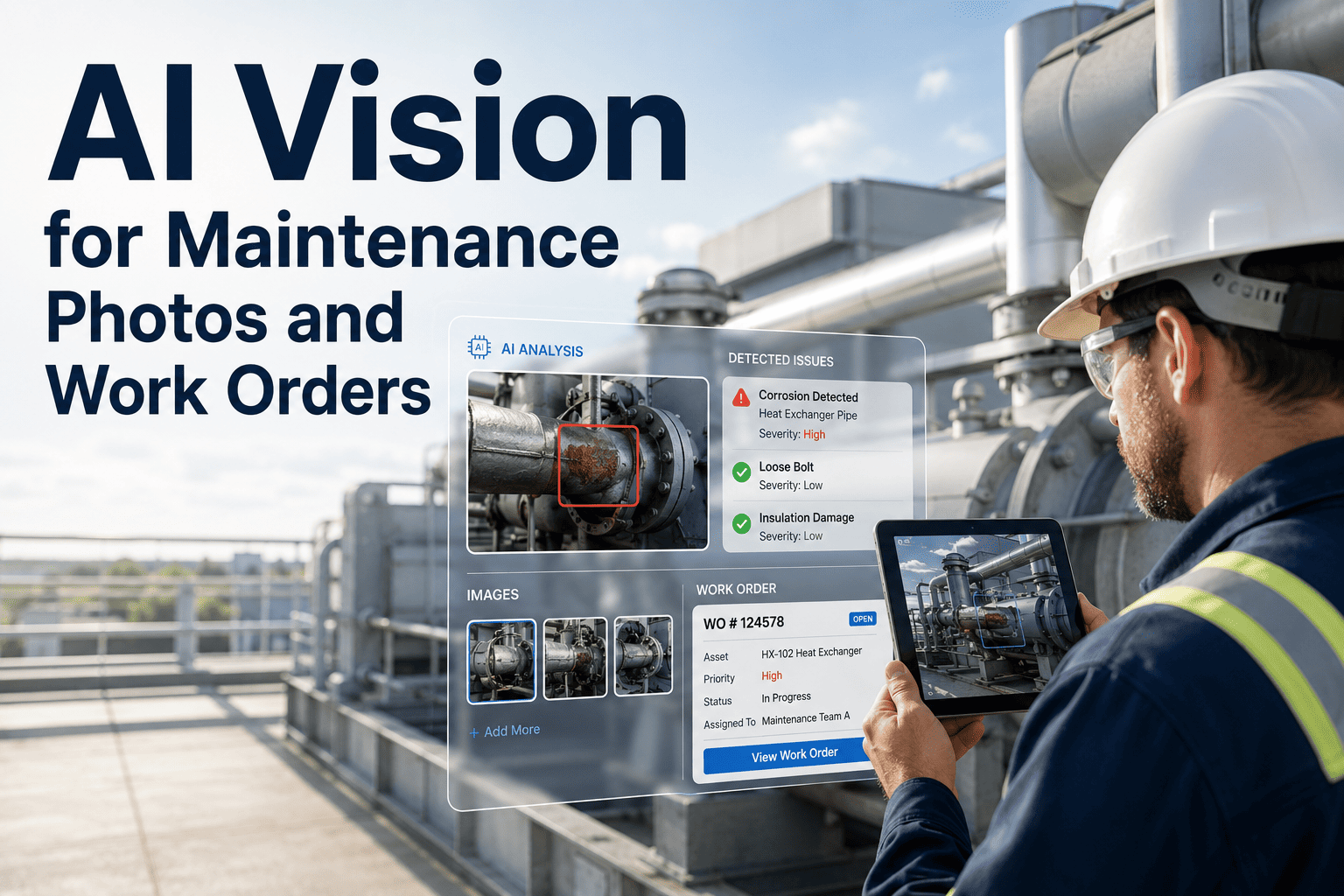
Multi-asset maintenance teams face a coordination problem that gets harder as the asset base grows: defects are discovered across dozens of equipment types and locations, but the path from detection to work order to resolution is fragmented by manual reporting, inconsistent photo practices, and disconnected communication between inspectors and planners. AI vision solves this at scale by creating a standardized, automatic pipeline from visual defect detection to CMMS work order creation across every monitored asset simultaneously. Whether a team manages 40 assets across one site or 400 assets across multiple facilities, OxMaint routes every AI-detected defect into the right work order template with the right priority, the right asset history context, and the photographic evidence attached — from detection to dispatch without a single manual step. See how OxMaint manages multi-asset defect routing in a live demo.
Multi-Asset Teams · AI Vision · CMMS Work Order Routing
One Detection Pipeline. Every Asset. Zero Manual Routing.
OxMaint AI Vision routes visual defects from any monitored asset into structured CMMS work orders automatically — giving multi-asset maintenance teams a single, consistent defect management workflow across every equipment class and location.
The Routing Pipeline
How AI Vision Defects Become Structured CMMS Work Orders
01
Camera Detects Defect
Vision model identifies defect on any monitored asset — conveyor, pump, panel, floor, structure, or equipment surface
02
Defect Classified
AI assigns defect type (wear / leak / obstruction / misalignment) and severity tier (monitor / plan / urgent) based on asset class rules
03
Work Order Created
OxMaint auto-creates a WO using the correct template for that asset type — with photo, priority, asset history, and team assignment pre-filled
04
Planner Reviews Queue
Maintenance planner sees a clean, prioritized work order list — no inbox routing, no manual write-up, no missing context — ready to schedule
Asset Coverage
Defect Types Routed Automatically by Asset Class in OxMaint
| Asset Class |
AI-Detected Defect Types |
WO Template Triggered |
Default Priority |
| Conveyor Systems |
Belt tracking deviation, roller wear, material spillage, belt surface tears |
Conveyor Corrective Maintenance |
High |
| Rotating Machinery |
Bearing housing staining, seal weep, coupling misalignment, guard missing |
Rotating Equipment Inspection / Repair |
Medium–High |
| Fluid Systems |
Pooled fluid, drip trails, staining on pipe joints, insulation damage |
Leak Investigation and Containment |
High |
| Structural Surfaces |
Concrete spalling, corrosion on structural steel, crack propagation |
Structural Condition Assessment |
Medium |
| Electrical Panels |
Heat signature, arc flash indicators, door left open, moisture ingress |
Electrical Safety Inspection |
Urgent |
| HVAC / Mechanical |
Condensate overflow, filter clogging visible, belt slippage, duct separation |
HVAC Corrective Work Order |
Medium |
OxMaint · AI Vision · Multi-Asset Work Order Routing
Every Defect on Every Asset — Routed to the Right Work Order Automatically
OxMaint AI Vision handles defect classification, work order creation, and team routing for your entire asset base — without a single manual step between detection and dispatch.
Impact on Multi-Asset Teams
Operational Outcomes After Deploying AI Vision Across Multi-Asset Operations
Work orders created without manual write-up
2.7×
more assets
monitored
vs manual inspection with same team size
AI priority classification accuracy vs planner judgment
WO backlog reduction in first 6 months of deployment
"
Managing a large multi-asset operation, the bottleneck is never finding defects — it is the time it takes to convert what was found into a structured work order with enough context for someone else to act on. AI vision eliminates that bottleneck entirely. Detection, classification, work order creation, and team routing happen in seconds rather than being spread across shift handovers and email threads.
Priya Venkatesh
Maintenance Operations Director · 19 years across FMCG and industrial manufacturing · CMRP, CRE
Frequently Asked Questions
Multi-Asset AI Vision Work Order Routing — Common Questions
How does OxMaint know which work order template to apply for each asset type?
During OxMaint setup, your asset register is configured with asset classes and associated work order templates. When AI vision detects a defect, the system matches the camera zone to the asset record and applies the correct template automatically based on defect type and asset class. Templates can be customized per site or asset group to match your maintenance standard operating procedures.
Book a demo to walk through the asset and template configuration process.
Can AI vision handle defect routing across multiple sites from a single OxMaint account?
Yes. OxMaint supports multi-site deployment under a single account with site-specific asset registers, camera zone configurations, and team assignment rules. Defects detected at any site are routed to the appropriate local maintenance team while remaining visible to the central maintenance manager at the account level.
Start a free trial to configure your first site.
What if the AI vision system detects a defect that requires immediate shutdown rather than a planned work order?
OxMaint AI Vision includes an urgent alert escalation pathway for defects classified at the highest severity tier — such as electrical panel anomalies, structural crack propagation, or active fluid leaks near electrical equipment. These generate an immediate notification to the maintenance supervisor and shift manager in addition to creating the work order, and can be configured to trigger a shutdown request workflow per asset class or site safety protocol.
How does the planner manage a high volume of AI vision-generated work orders without being overwhelmed?
OxMaint organizes the AI-generated work order queue by priority tier, asset class, and site — and planners can filter, bulk-assign, and schedule from a single queue view. Work orders that are classified as low urgency are batched into scheduled maintenance windows automatically, so the planner only needs to actively manage exceptions and urgent items rather than processing each alert individually.
See the planner queue interface in a live demo.
OxMaint AI Vision · Multi-Asset · Free to Start
Your Asset Base Is Already Talking. AI Vision Makes Sure the Right Work Orders Are Listening.
OxMaint AI Vision routes every defect from every monitored asset to the right work order, the right team, and the right priority — without manual steps, missed context, or delayed dispatch.